

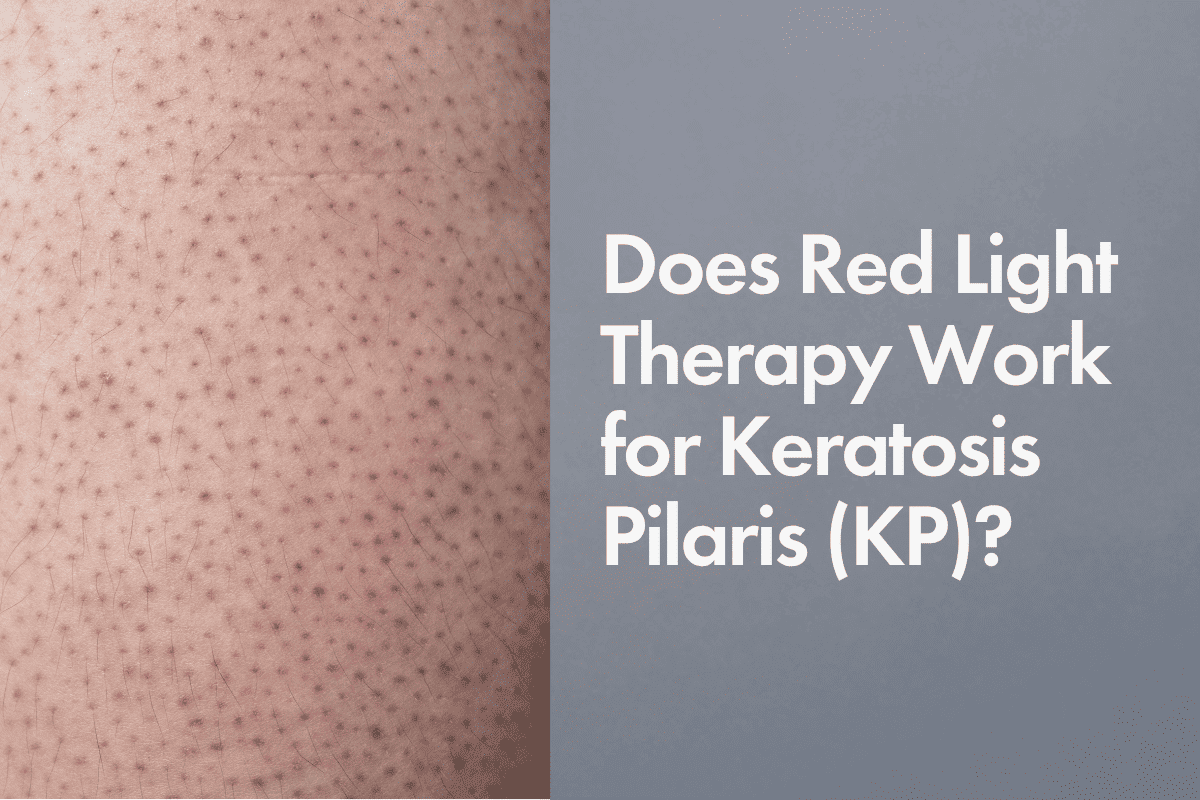

Keratosis pilaris (KP) is a common skin condition marked by rough, stubborn bumps that can be difficult to treat.
While harmless, it often resists creams, exfoliants, and other conventional options – leaving many people looking for alternatives.
One approach gaining attention is red light therapy: a gentle, non-invasive treatment that supports healing at the cellular level.
We’ll explore whether it works for KP and how to use it effectively.
- Red light therapy reduces inflammation and improves skin texture in KP.
- Studies show 810nm near-infrared light significantly improves KP after 3 sessions.
- Works best combined with gentle exfoliants and moisturizers, not as standalone treatment.
- Use 630-670nm wavelengths 3-5 times weekly for 4-8 weeks for results.
What Causes KP?
KP forms when excess keratin (a protein that normally protects skin) builds up and clogs hair follicles.
This process, called follicular hyperkeratinization, leads to those trademark rough patches.
It’s often genetic, but dry skin, cold weather, and underlying conditions like eczema can make it worse.
|
Symptoms can vary:
|
Despite its prevalence (up to 40% of adults), KP often gets dismissed or misdiagnosed, especially in deeper skin tones.
How Red Light Therapy Works
Red light therapy uses wavelengths between 630–670 nm (and sometimes near-infrared light at 810–850 nm) to penetrate skin tissue.
Once absorbed by mitochondria in skin cells, it boosts ATP (energy) production and kickstarts processes like collagen synthesis, cellular repair, and microcirculation.
In the context of KP, this matters because:
|
So while RLT doesn’t directly break down keratin plugs, it addresses the inflammation and skin dysfunction that contribute to KP.
What The Science Says
There’s limited direct research on red light therapy for KP, but growing evidence suggests it can help.
|
While the data is still emerging, the biological rationale is sound: reduce inflammation, support repair, and improve texture over time.
How to Use Red Light Therapy for KP
If you’re considering red light therapy for KP, here’s what matters:
Wavelengths to Look For:
|
Treatment Protocol
|
Why Red Light Works Best as Part of a Routine
Red light therapy can support healing, but on its own, it rarely resolves KP completely.
|
A combination strategy works best:
|
Some dermatologists even use red light in photodynamic therapy (PDT) alongside exfoliating topicals to enhance effects.
What About Facial KP?
Yes, KP can appear on the face, especially cheeks. Facial skin is thinner and more sensitive, which makes RLT masks a good fit.
|
Benefits of red light masks for facial KP:
|
For best results, pair your mask with a mild cleanser and barrier-supporting skincare. Skip retinoids or strong actives right before a session.
Who Is RLT Best For?
|
Red light therapy is also generally safer than IPL or laser for deeper skin tones, which carry a higher risk of hyperpigmentation.
Are There Risks?
|
Side Effects
|
To Reduce Risk:
|

Frequently Asked Questions
Can I use red light therapy on KP during summer when my skin is more sun-exposed?
Yes, but make sure your skin isn’t sunburned before treatment. Red light therapy doesn’t increase sun sensitivity, but it’s best to apply sunscreen daily to protect the skin barrier while using RLT.
Will red light therapy help with the scarring or discoloration left behind by KP?
It may help fade mild discoloration over time by promoting cellular regeneration and improving microcirculation. For deeper scarring or dark marks, results will likely be gradual and may need complementary treatments.
Is red light therapy suitable for pregnant or breastfeeding individuals with KP?
Generally, yes, RLT is considered non-invasive and drug-free. But because formal safety studies during pregnancy are limited, it’s best to consult your healthcare provider before starting.
Can red light therapy prevent KP from returning once it clears up?
It can help maintain results by keeping inflammation low and supporting healthy skin turnover. However, since KP is often genetic, ongoing maintenance (1–2 sessions per week) is usually needed to keep symptoms at bay.
Conclusion
While red light therapy isn’t a cure-all, it offers a science-backed, low-risk way to manage the most frustrating aspects of KP – especially when used consistently as part of a thoughtful routine. It soothes inflammation, promotes skin healing, and supports texture improvements over time.
If you’ve been cycling through scrubs and creams without results, red light therapy could be the missing piece in your KP treatment plan.
For sensitive skin, stubborn bumps, or redness that just won’t quit, shop our FDA-cleared 7-color LED face mask. It’s safe, non-invasive, and designed to support real skin healing from the comfort of your home.