


When eczema flare-ups leave your skin irritated and your confidence shaken, treating it becomes essential, not optional.
The good news?
There are simple, effective ways to ease symptoms and care for your skin.
From soothing routines to powerful treatments, let’s break down exactly how to treat eczema on your face.
- LED light therapy soothes inflammation and supports healing for eczema on the face.
- Gentle cleansing and moisturizing are essential to repair and protect your skin barrier.
- Topical treatments can calm flare-ups, but overuse may lead to side effects.
- Avoid triggers like irritants, allergens, and harsh skincare to prevent worsening symptoms.
1. LED Light Therapy
LED light therapy is emerging as an innovative option for managing eczema on the face.
This treatment uses specific wavelengths of light to reduce inflammation, soothe redness, and promote the skin’s healing process. Infrared light, in particular, penetrates deep into the skin to improve blood circulation and calm irritation.
LED masks are a convenient way to bring this technology into your skincare routine. They’re non-invasive, painless, and easy to use at home.
While this therapy isn’t a cure, it can complement other eczema treatments to provide relief and improve overall skin health.
| Pros | Cons |
|---|---|
|
|
Best For: Managing inflammation, reducing redness, and supporting skin repair.
2. Gentle Cleansing Practices
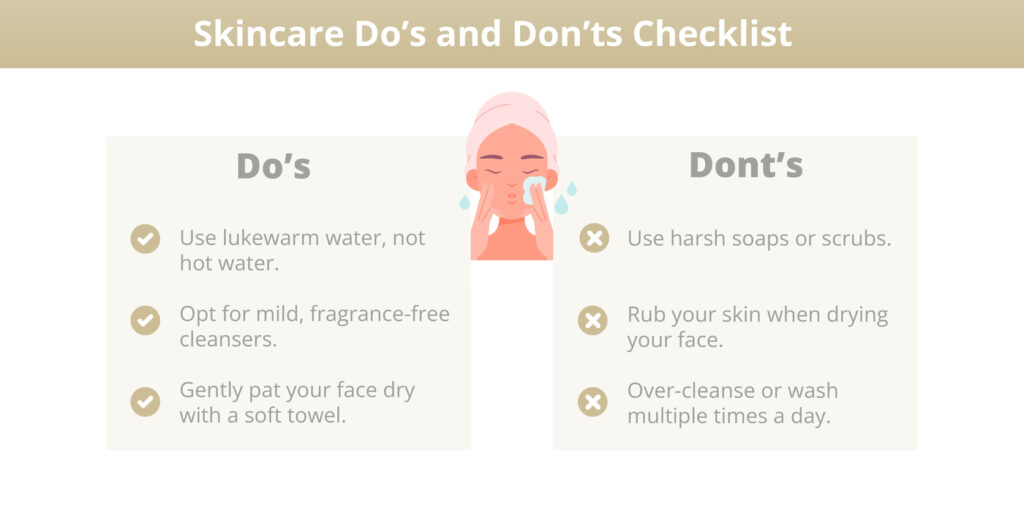
The way you cleanse your face can make or break your eczema care routine. Harsh scrubbing or using strong soaps can strip your skin of its natural oils, leaving it vulnerable to irritation.
Instead, opt for a mild, fragrance-free cleanser specifically designed for sensitive skin.
When washing your face, use lukewarm water rather than hot, as heat can dry out your skin. Gently pat your face dry with a soft towel instead of rubbing, as friction can aggravate eczema.
For those with severe eczema, cleansing wipes or micellar water formulated for sensitive skin can be a gentler alternative to traditional washing. Whatever method you choose, keeping your skin clean without causing further irritation is key.
| Pros | Cons |
|---|---|
|
|
Best For: Daily maintenance and preventing irritation caused by environmental dirt and debris.
3. Moisturizing Regularly
Moisturizing isn’t optional when managing facial eczema—it’s essential. A good moisturizer helps repair the skin barrier, locks in hydration, and protects against environmental triggers.
Look for products labeled “fragrance-free” and “hypoallergenic,” as these are less likely to irritate sensitive skin.
For best results, apply moisturizer immediately after cleansing while your skin is still slightly damp. This helps seal in moisture and prevents dryness.
Creams and ointments are often more effective than lotions for eczema-prone skin, as they provide a thicker protective layer.
If you’re experiencing an active flare-up, using a thicker emollient at night can offer extra hydration while you sleep.
| Pros | Cons |
|---|---|
|
|
Best For: Preventing and managing dry, flaky skin, and maintaining hydration during and between flare-ups.
4. Topical Treatments
Sometimes, moisturizers alone aren’t enough to calm a flare-up. That’s where topical treatments come in.
Over-the-counter options like hydrocortisone cream can reduce inflammation and itching, providing fast relief.
However, these should only be used for short periods to avoid side effects like skin thinning.
For more severe or persistent cases, a dermatologist may recommend prescription treatments such as topical calcineurin inhibitors (e.g., tacrolimus or pimecrolimus). These are effective at reducing inflammation without the long-term risks associated with steroids.
Remember, always follow your doctor’s instructions when using any topical treatment to ensure safe and effective use.
| Pros | Cons |
|---|---|
|
|
Best For: Managing acute flare-ups and reducing inflammation when symptoms worsen.
5. Avoiding Irritants
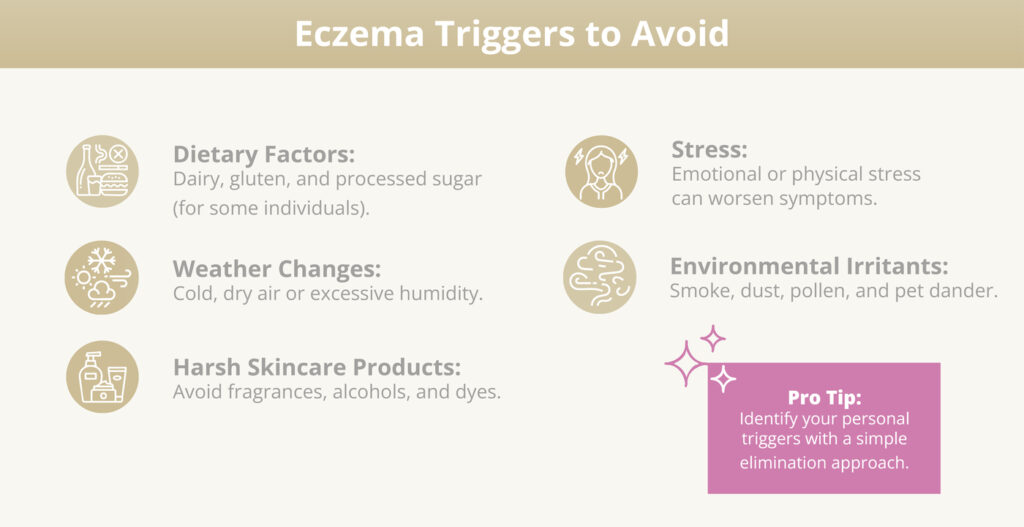
The products you use on your face matter. Certain ingredients commonly found in skincare, makeup, and even sunscreen can trigger or worsen eczema symptoms. Fragrances, alcohols, and dyes are frequent offenders.
Choose hypoallergenic, non-comedogenic products designed for sensitive skin. If you wear makeup, consider brands specifically formulated for eczema-prone individuals. Always patch-test new products on a small area of skin before applying them to your entire face.
Beyond skincare, environmental irritants like smoke, dust, and pet dander can also contribute to flare-ups. Keeping your living space clean and using an air purifier can help minimize these triggers.
| Pros | Cons |
|---|---|
|
|
Best For: Preventing future flare-ups and minimizing skin irritation caused by external factors.
6. Lifestyle and Dietary Considerations
What you eat and how you manage stress can significantly affect your eczema. While there’s no one-size-fits-all eczema diet, some people find relief by avoiding common inflammatory foods like dairy, gluten, or processed sugars.
On the other hand, adding skin-friendly foods rich in omega-3 fatty acids, such as salmon or flaxseeds, may help reduce inflammation.
Stress management is equally important. Techniques like mindfulness, yoga, or even simple deep-breathing exercises can help lower stress levels, which may, in turn, reduce the frequency and severity of flare-ups.
Sleep is another often overlooked factor. Lack of rest can weaken your immune system and make your skin more prone to irritation. Aim for 7–9 hours of quality sleep each night to support your skin’s natural healing processes.
| Pros | Cons |
|---|---|
|
|
Best For: Supporting long-term skin health and reducing the severity or frequency of flare-ups.
7. Professional Help
If your eczema isn’t responding to over-the-counter treatments or home remedies, it may be time to see a dermatologist.
Signs that you need professional care include severe redness, cracking, or oozing skin, or if your symptoms are significantly affecting your quality of life.
A dermatologist can provide advanced treatment options, such as phototherapy, which uses controlled light to reduce inflammation.
For very severe cases, systemic medications like oral corticosteroids or biologics may be prescribed.
| Pros | Cons |
|---|---|
|
|
Best For: Severe or unresponsive eczema that doesn’t improve with at-home care or over-the-counter treatments.
Eczema Taking Over Your Face & Your Confidence?
Fight back with our LED mask—designed to calm, heal & rejuvenate.
SHOP NOW – GET $100 OFF
Frequently Asked Questions
Can makeup worsen eczema on the face?
Yes, makeup with fragrances, alcohol, or harsh preservatives can irritate eczema-prone skin. Opt for hypoallergenic and non-comedogenic products, and always remove makeup gently to avoid further irritation.
Does eczema on the face go away on its own?
Facial eczema can improve with proper care, but it rarely resolves without treatment. Managing triggers and using appropriate skincare are key to long-term relief.
Are natural remedies effective for facial eczema?
Some natural remedies, like aloe vera or colloidal oatmeal, can soothe symptoms temporarily. However, they should complement, not replace, dermatologist-recommended treatments.
Is sun exposure good or bad for facial eczema?
Moderate sun exposure may help in some cases, as UV light can reduce inflammation. However, excessive sun can dry out the skin and worsen eczema. Always use an eczema-safe sunscreen.
How does weather affect facial eczema?
Cold weather can dry out the skin, while hot, humid weather may increase sweating and irritation. Adjust your skincare routine seasonally to address these changes.
Conclusion
Managing facial eczema is all about taking the right steps to calm and protect your skin.
From gentle cleansing and moisturizing to avoiding triggers and exploring advanced options like LED light therapy, you can regain control over flare-ups and support your skin’s health.
Ready to elevate your skincare routine? Our LED face mask is designed to help soothe inflammation, reduce redness, and promote healing—all from the comfort of home. Shop now and take the first step toward healthier, calmer skin.