


Rosacea’s redness, irritation, and flare-ups can be exhausting. Expensive treatments don’t always deliver, and sensitive skin makes it even harder to find relief.
We get it!
But there’s a gentler approach: red light therapy, a calming, at-home option that helps reduce inflammation and restore balance—all without the endless appointments.
Here’s how red light therapy can treat rosacea, right from your home.
Key Notes
- Red light therapy reduces rosacea symptoms by calming inflammation and boosting skin repair.
- Rosacea symptoms can improve up to 75% after just a few treatments.
- Different LED colors support specific rosacea needs, from reducing redness to healing damaged skin.
What Causes Rosacea?
Scientists aren’t exactly sure what causes rosacea, but they believe it stems from a mix of genetic and environmental factors.
Inflammation drives many rosacea symptoms, likely due to an overactive immune response to triggers like UV light, bacteria, or microbes on the skin.
Triggers for rosacea flare-ups vary by person but often include:
- Sun exposure
- Very hot or cold temperatures
- Consuming alcohol or spicy food
- Emotional stress
- Cosmetic products
- Hormonal changes
Rosacea symptoms can vary widely from person to person and may come and go unpredictably.
Your symptoms also depend on which rosacea subtype you have—though it’s common to experience a mix of multiple types.
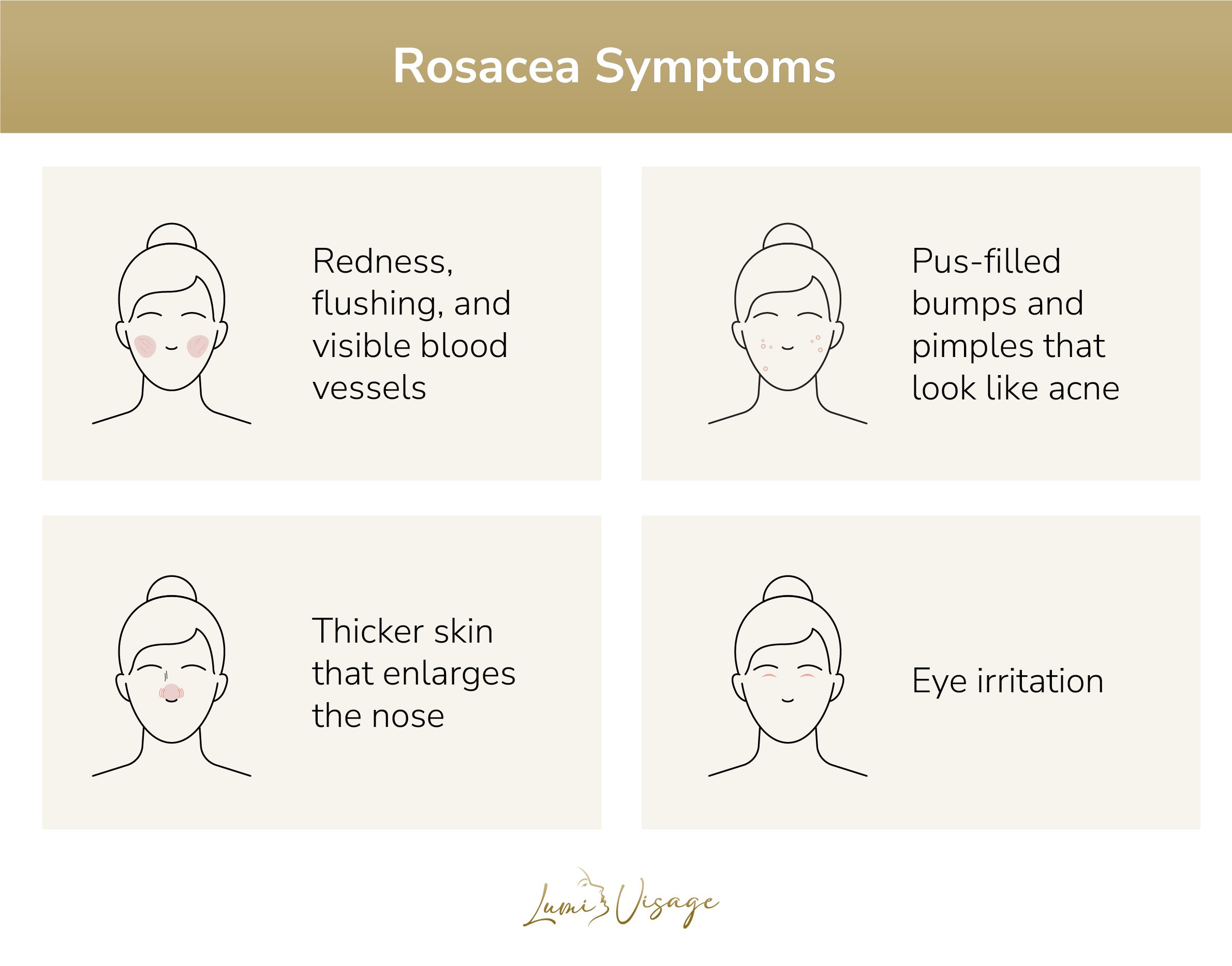
Typically, rosacea falls into four main subtypes:
Vascular (erythematotelangiectatic) rosacea
This type is characterized by facial redness and flushing, often presenting with blood vessels visible on the cheeks and nose.
Inflammatory (papulopustular) rosacea
This type is associated with bumps and pimples, called papules and pustules, that look like acne. They can be red bumps or pus-filled.
Phymatous rosacea
This type of rosacea is more common in men and makes skin thicker, often resulting in a bulbous nose.
Ocular rosacea
This type causes inflammation of the eyes and eyelids, which can lead to damage and vision loss.
How Red Light Therapy Helps Treat Rosacea
While research is still underway, studies already show that red light LED therapy can significantly reduce rosacea symptoms.
Its unique ability to penetrate deeply into the skin makes red light especially effective at addressing key rosacea symptoms like redness and inflammation.
Calms Inflammation and Reduces Redness
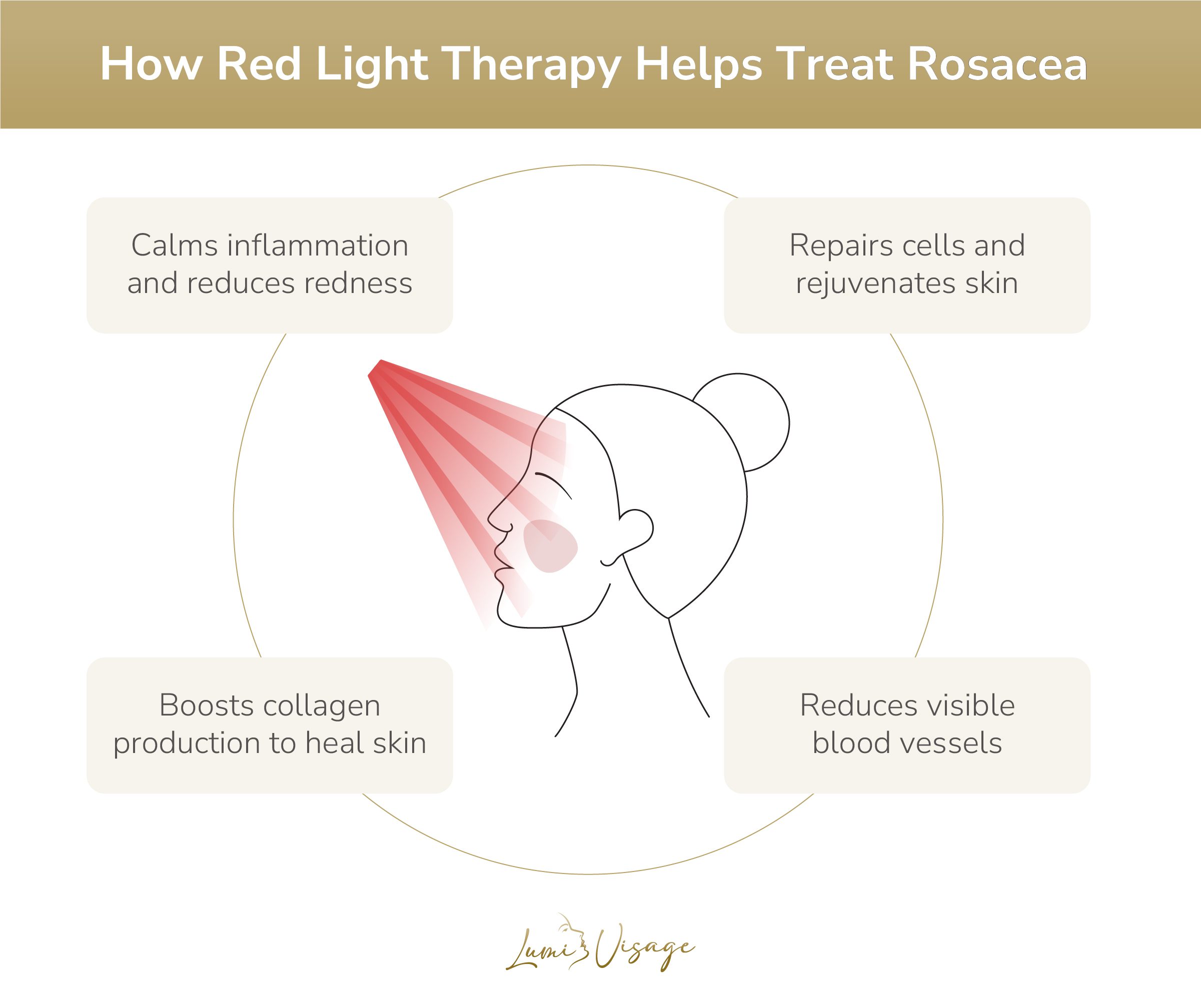
Red light effectively calms inflammation, helping reduce rosacea’s visible signs, like redness and swelling.
Studies show that exposing skin cells to LED red light wavelengths decreases inflammatory molecules and enzyme activity linked to inflammation.
Boosts Collagen Production to Heal Skin
Collagen is essential for healthy, resilient skin, and red light therapy can stimulate collagen and hyaluronic acid production to help repair skin affected by rosacea.
Increased collagen and growth-factor proteins also speed up wound healing.
Repairs Cells and Rejuvenates Skin
Red light therapy energizes cells by activating the mitochondria, boosting ATP production and promoting cell repair.
This deep cellular support helps heal and rejuvenate rosacea-affected skin.
Reduces Visible Blood Vessels
By calming inflammation and increasing collagen, red light therapy can reduce visible blood vessels, with studies showing up to 50-75% reduction in rosacea patients after a few treatments.
ℹ️ Red light lowers inflammation markers that cause redness and supports new blood vessel formation for smoother skin.
Other LED Light Therapy Colors for Rosacea
While red light is a go-to for rosacea, other LED colors can offer targeted benefits too.
If you’re using a device like our 7-Color LED Face Mask, you have access to a full color spectrum—red, amber, blue, and yellow—that can further help ease rosacea symptoms.
Amber Light
Amber light is great for calming redness, one of rosacea’s hallmark symptoms. It can reduce capillary inflammation and encourage cell renewal, helping your skin repair and restore its natural balance.
Blue Light
Commonly used to treat acne, blue light also promotes wound healing. This can be a plus for rosacea-prone skin, as it soothes inflammation and supports natural skin repair processes.
Yellow Light
Yellow light helps reduce redness, boost ATP production, and calm skin irritation. It’s particularly useful for reducing erythema, the rash often caused by inflamed capillaries, making it an ideal choice for rosacea care.
Tired Of Redness, Swelling & Flare-Ups?
Our LED mask brings soothing relief to your skin.

How Long Does LED Light Therapy Take to Work?
As with anything in your skin care regimen, consistency is key! It typically takes at least one month of consistent use to see results, with full results appearing after one to three months.
But treatments don’t take long—you can see results from using an LED Face Mask just 10 minutes at a time, three to four times a week.
Other Rosacea Treatments
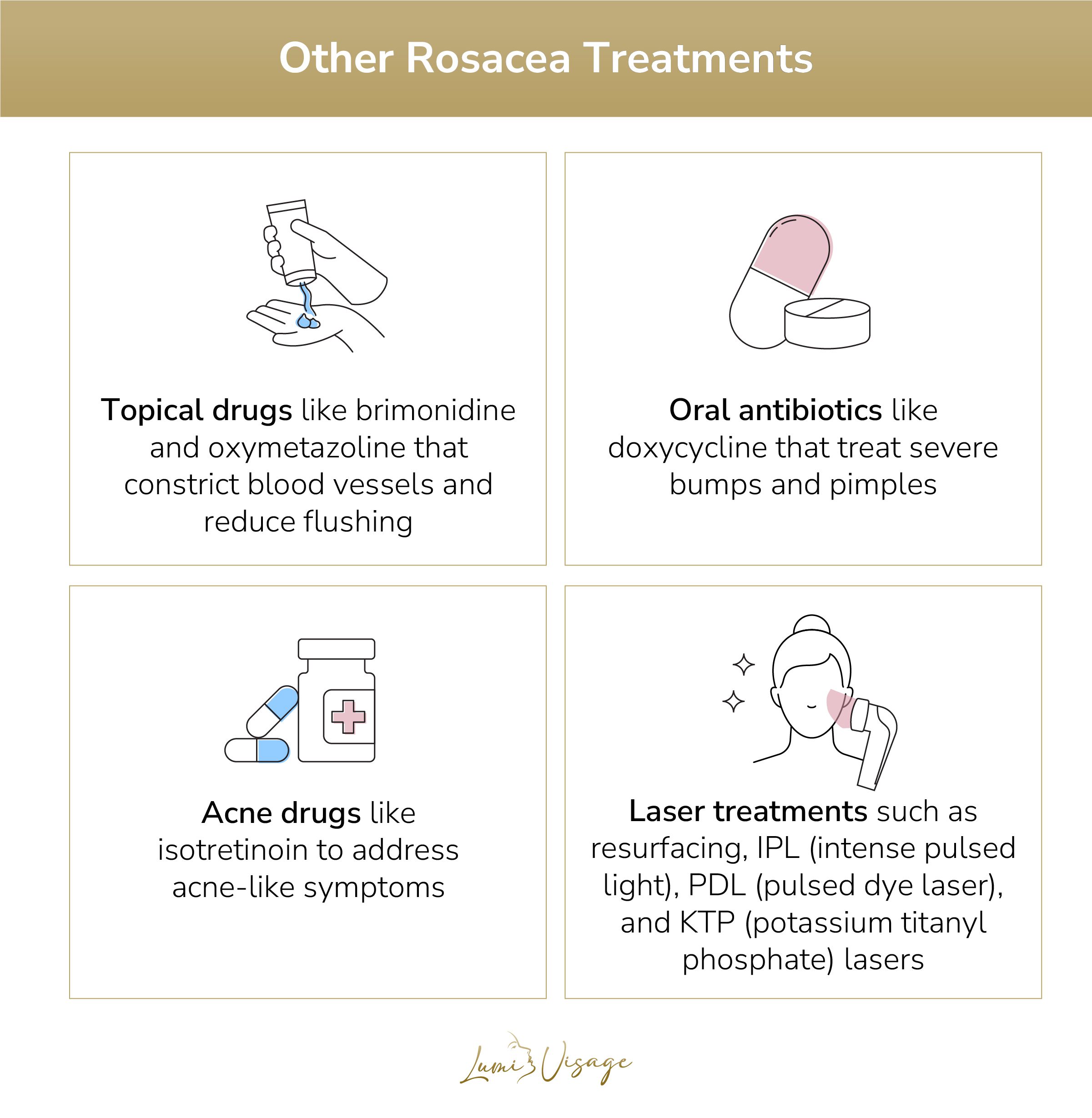
In addition to LED light therapy, these other treatments are commonly used for rosacea:
- Topical drugs like brimonidine (Mirvaso) and oxymetazoline (Rhofade) constrict blood vessels and reduce flushing. Other topicals like azelaic acid, metronidazole, retinol, and ivermectin can control pimples and help even out your complexion.
- Oral antibiotics such as doxycycline (Oracea, others) treat more severe bumps and pimples.
- Oral acne drugs like isotretinoin treat acne-like symptoms.
- Laser skin resurfacing can remove visible blood vessels.
- Other light therapies such as IPL (intense pulsed light), PDL (pulsed dye laser), and KTP (Potassium titanyl phosphate) lasers can also help correct irregularities in your complexion, especially from pigment.
Frequently Asked Questions
Can red light therapy be combined with other rosacea treatments?
Yes, red light therapy can complement other rosacea treatments, like topical creams or antibiotics. It’s generally safe to use with most skincare routines, but always check with your dermatologist, especially if using retinoids or other light-sensitive products.
How soon can I wear makeup after using red light therapy?
You can typically apply makeup immediately after a red light session, as it’s non-invasive and won’t irritate the skin. However, using gentle, non-comedogenic products is best for rosacea-prone skin to avoid triggering sensitivity.
Will red light therapy make my skin more sensitive to the sun?
No, red light therapy does not increase sun sensitivity. In fact, some studies suggest it may help the skin build resilience against environmental stressors. Still, daily SPF is recommended to protect against sun-related rosacea triggers.
What’s the difference between red light therapy and IPL for rosacea?
IPL (Intense Pulsed Light) targets blood vessels and pigmentation with intense pulses of light, which can help rosacea but may cause irritation. Red light therapy is gentler, using lower wavelengths that penetrate without causing surface irritation, making it ideal for sensitive skin.
Can red light therapy help with acne related to rosacea?
Yes, red light has anti-inflammatory properties that can reduce acne symptoms in people with rosacea. Some devices also include blue light, which can kill acne-causing bacteria, offering a well-rounded solution for those with both conditions.
Is there an ideal time of day to use red light therapy for rosacea?
Morning or evening sessions work well, but consistency is key. Some find evening use beneficial as it may reduce inflammation and redness overnight, but the best time is whenever it fits comfortably into your daily routine.
Conclusion
Rosacea’s redness, swelling, and irritation can feel like a daily challenge. But effective relief is possible.
With the right treatment plan and the gentle, calming power of red light therapy, you can regain control over your skin and restore your confidence.
Our LED Face Mask offers an at-home, non-invasive solution to reduce inflammation, boost skin health, and soothe rosacea symptoms.
Just 10 minutes a day, a few times a week can make a real difference. Ready to experience calmer, healthier skin? Try the 7-Color Lumi Visage LED Face Mask and get glowing.