

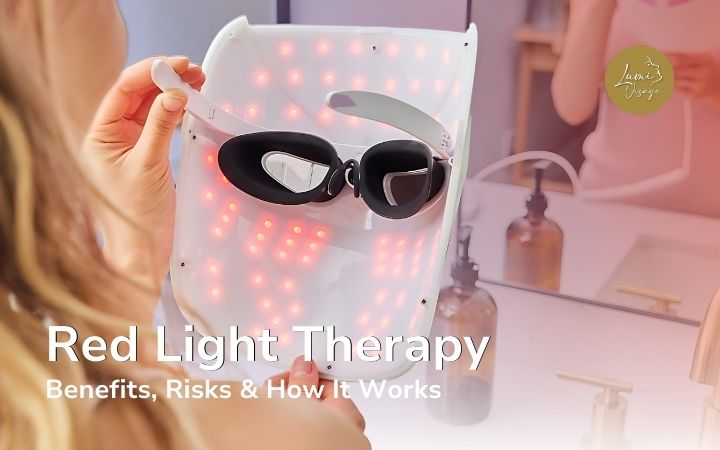

Red light therapy (RLT) has taken the skincare industry by storm. Offering real benefits like boosting collagen, reducing inflammation, and speeding up recovery.
But is it right for you?
This in-vogue remedy can be a game changer for many, but you need to know where not to go wrong and what its limitations are.
In this guide we’ll cover everything you need to know about RLT: how it works, the science-backed benefits, potential risks, when and how to use it effectively for clearer skin, less pain, and fewer wrinkles.
Key Notes
- Red light therapy revitalizes your cells, enhancing benefits like glowing skin and improved muscle recovery.
- It’s a natural collagen kickstarter, smoothing wrinkles and calming acne like magic.
- RLT reduces joint pain and speeds up recovery without popping pills.
- It might even help with hair regrowth and improve your sleep.
- Safe, non-invasive, but using it right is key for seeing consistent, lasting results.
What Is Red Light Therapy?
As the creators of our own LED face mask, it should come as no shock to you that we worship at the altar of red light therapy.
Let’s explain why.
At its core, RLT is a form of phototherapy where low-level wavelengths of red light are beamed onto your skin, muscles, or even deeper tissues.
The light penetrates your skin, stimulating your cells and jump-starting your mitochondria.
More energy equals faster repair. This is where the magic happens.
And to clarify—this is nothing like tanning beds or laser treatments. There are no harmful UV rays involved. Red light therapy is all about safe, therapeutic wavelengths that promote healing and rejuvenation without damaging the skin.
How Does Red Light Therapy Work?
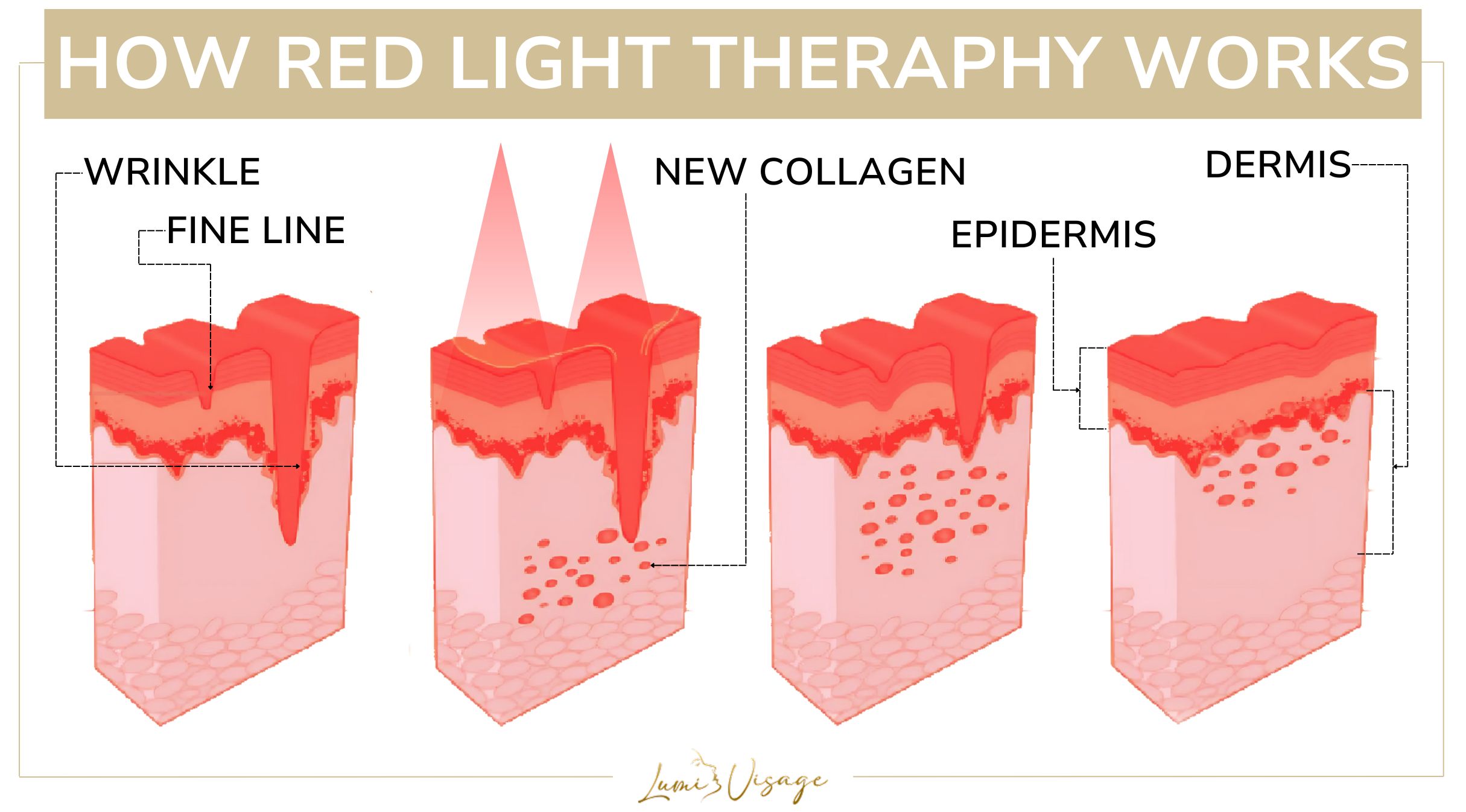
As you age, your skin cells naturally slow down in their repair and regeneration processes, leading to visible signs of aging like wrinkles and fine lines.
Red light therapy works by delivering specific wavelengths of light—typically in the range of 600 to 850 nanometers—that penetrate the skin and target the mitochondria, the powerhouse of the cell. These wavelengths of light stimulate mitochondrial activity, helping to boost the production of ATP (adenosine triphosphate), which is the main source of energy for cells.
When red light hits your skin, it’s absorbed by the mitochondria, which triggers a surge in ATP production. This energy boost allows your cells to function more efficiently, tackling tasks like collagen production, cell turnover, and tissue repair.
Whether your cells are working to reduce fine lines, speed up muscle recovery, or reduce inflammation, this influx of energy helps them perform at a higher level, improving overall skin and tissue health.
ATP plays a central role in powering almost every biological process within your body. From muscle contraction and protein synthesis to cell division and the repair of damaged tissues, it’s ATP that fuels these essential functions.
By increasing ATP production, red light therapy helps to enhance your cells’ ability to carry out these processes more effectively, promoting faster recovery, improved skin texture, and overall vitality.
The Glow-Up: Benefits of Red Light Therapy
The benefits of red light therapy are vast, covering everything from cosmetic fixes to deeper, more serious health concerns.
1. Wrinkles & Anti-Aging
Red light therapy (RLT) offers a non-invasive way to combat wrinkles without you having to engage in anything more strenuous than a spa day.
One of its standout benefits is its ability to kickstart collagen production, the key protein responsible for keeping your skin firm, smooth, and elastic. By boosting collagen, RLT naturally smooths out fine lines and wrinkles, giving you a youthful, plump complexion.
It’s a gentle yet highly effective way to turn back the clock and bring your skin’s natural radiance back to life.
2. Acne
For those struggling with acne, red light therapy works by targeting two key factors: bacteria and inflammation.
Acne-causing bacteria (like P. acnes) thrive in clogged pores, leading to breakouts. Red light penetrates the skin to kill off these bacteria, reducing the number of active blemishes. It also stimulates cellular activity that promotes faster healing and repair of acne-damaged skin.
Beyond that, RLT helps control oil production, preventing future breakouts while calming existing irritation. With regular treatment, it can significantly reduce the frequency and severity of acne flare-ups.
3. Psoriasis
Psoriasis, a chronic autoimmune condition, leads to overproduction of skin cells, resulting in scaly, inflamed patches.
Red light therapy helps manage psoriasis by slowing down the rapid turnover of skin cells and reducing inflammation. The light’s wavelengths penetrate the skin to calm the hyperactive immune response, soothing the redness and discomfort associated with flare-ups.
While it’s not a cure, RLT can provide long-lasting relief, especially when combined with other treatments.
4. Eczema
Eczema, or atopic dermatitis, causes dry, itchy patches of skin that flare up due to triggers like allergens or stress.
RLT helps by boosting the skin’s natural healing process, reducing inflammation, and increasing moisture retention in the affected areas. The therapy strengthens the skin barrier, making it more resilient to future irritation.
Many who struggle with eczema find that RLT reduces the frequency of flare-ups and soothes existing irritation, making the skin feel more comfortable and balanced.
Whether you’re dealing with acne breakouts, the discomfort of psoriasis, or eczema flare-ups, red light therapy offers a natural, non-invasive way to calm the skin and restore its natural glow.
5. Pain Relief & Joint Health
RLT isn’t just about looking good—it’s about feeling good, too.
Whether you’re dealing with arthritis, tendonitis, or just general post-workout soreness, red light therapy has been shown to help reduce inflammation and speed up recovery.
And here’s the best part: red light penetrates deeper into your tissues, so it’s not just your skin that gets the benefits. If your knees, back, or neck are giving you trouble, regular sessions could offer some sweet, sweet relief.
6. Hair Growth
Thinning hair can be a major confidence killer, but RLT might have a solution.
The theory is that red light increases blood flow to your scalp, stimulating your hair follicles and encouraging growth.
Whether you’re dealing with thinning hair or full-blown hair loss, early studies suggest this therapy might give you fuller, thicker strands without the need for harsh chemicals or invasive procedures.
7. Muscle Recovery & Athletic Performance
If you’ve ever worked out (or just moved into a new house having to carry your own boxes), you know the pain of delayed onset muscle soreness. RLT can help speed up muscle repair by reducing oxidative stress and inflammation.
Some athletes even claim that red light therapy can improve endurance and strength. CrossFit athletes have reported using wearable red light therapy devices to enhance both recovery and muscle performance during training.
And if that’s not impressive enough, the US Track and Field team took it a step further—they brought red light therapy beds to the 2016 Rio Olympics to help them recover faster and push their limits on the world’s biggest stage.
8. Improved Sleep & Mood
Struggling with sleep or mood swings? Red light therapy might help you catch those elusive REM hours and keep your spirits lifted.
Research suggests that red light may regulate your circadian rhythm—the internal clock that tells your body when to sleep and wake up. So, if you’ve been feeling out of sync or can’t seem to get enough rest, this therapy could be a natural way to restore balance.
And as a bonus, there’s evidence that RLT can help alleviate symptoms of anxiety and depression. This might well be the light at the end of the tunnel.
Harness The Healing Power Of Red Light Therapy
Rejuvenate skin, boost your glow or reduce pain – all at home.

Is Red Light Therapy Safe?
We get it, blazing red light directly onto your face goes against all natural intuition. But, the good news: when used correctly, RLT is proven to be safe.
One of the major perks of RLT is that it doesn’t use UV light, so there’s no risk of sunburn or skin cancer. It’s non-invasive, painless, and, when used as directed, side effects are rare.
But, Let’s Talk Risks
Like anything, moderation is key. Overuse or incorrect application can cause some issues, including:
- Eye Damage: Those powerful lights aren’t meant for your eyeballs. Always wear protective goggles, or better yet, keep your eyes closed.
- Skin Irritation: Too much of a good thing can lead to irritation or burns. Follow the usage guidelines on your device and start slow.
- Inconsistent Results: Not all devices are created equal. Some are stronger than others, and the results can vary depending on the quality of your machine and how regularly you use it.
Conditions That Could Benefit From Red Light Therapy
Beyond skincare and muscle recovery, red light therapy is being explored for a whole host of conditions. From arthritis to hair loss, it’s a wellness powerhouse with a wide range of uses.
Here are a few areas where RLT might shine:
- Acne and Psoriasis
- Arthritis
- Sleep Disorders
- Mood Disorders
- Hair Loss
From Acne to Aging, Light Up Your Skin’s Potential
8 colors, countless benefits – all in one revolutionary mask.
Red Light Therapy Results Timeline and Usage Guide
| Concern | Time to See Results | Recommended Frequency |
|---|---|---|
| Wrinkles & Fine Lines | 4-12 weeks for noticeable improvements in skin texture and elasticity. | 3-5 times per week, 10-20 minutes per session. |
| Acne | 2-6 weeks for reduction in breakouts and improved skin clarity. | 5-7 times per week, 10-20 minutes per session. |
| Muscle Recovery | Immediate to 1-4 weeks for faster recovery and reduced soreness. | Before/after workouts; 3-5 times per week, 15-30 minutes. |
| Joint Pain/Arthritis | 4-8 weeks for pain relief and inflammation reduction. | 3-5 times per week, 15-30 minutes per session. |
| Sun Damage & Hyperpigmentation | 8-12 weeks for reduced dark spots and even skin tone. | 3-5 times per week, 10-20 minutes per session. |
| Hair Growth | 12-24 weeks for fuller, thicker hair growth. | 4-7 times per week, 10-15 minutes per session. |
| Sleep Improvement | 1-4 weeks for better sleep quality and regulation of circadian rhythm. | 3-5 times per week, preferably in the morning or early evening, 10-20 minutes per session. |
Frequently Asked Questions
How long does it take to see results from red light therapy?
Results can vary, but most people notice improvements in skin or pain relief after just a few weeks of consistent use.
Can red light therapy be combined with other treatments or skincare products?
Absolutely! RLT pairs well with skincare products like serums or moisturizers to boost their absorption and effectiveness.
Does red light therapy work for everyone, or are some people less responsive?
While many see benefits, individual results can vary based on factors like skin type or severity of the condition.
How often should I use red light therapy for the best results?
Consistency is key! Most recommend 3-5 sessions per week, but it depends on your specific goals.
Conclusion
Red light therapy is more than just a glow-up—it’s a game changer for both beauty and wellness.
From smoothing wrinkles to speeding up recovery and even brightening your mood, this non-invasive treatment works at the cellular level to give your body the boost it needs, restoring balance and vitality.
Ready to light up your wellness routine? Treat yourself to our at-home 8-Color LED Face Mask for glowing skin—perfect for those moments when you’re cozied up with your favorite book or binge-worthy show.
It’s self-care that feels indulgent, with results that shine through.