

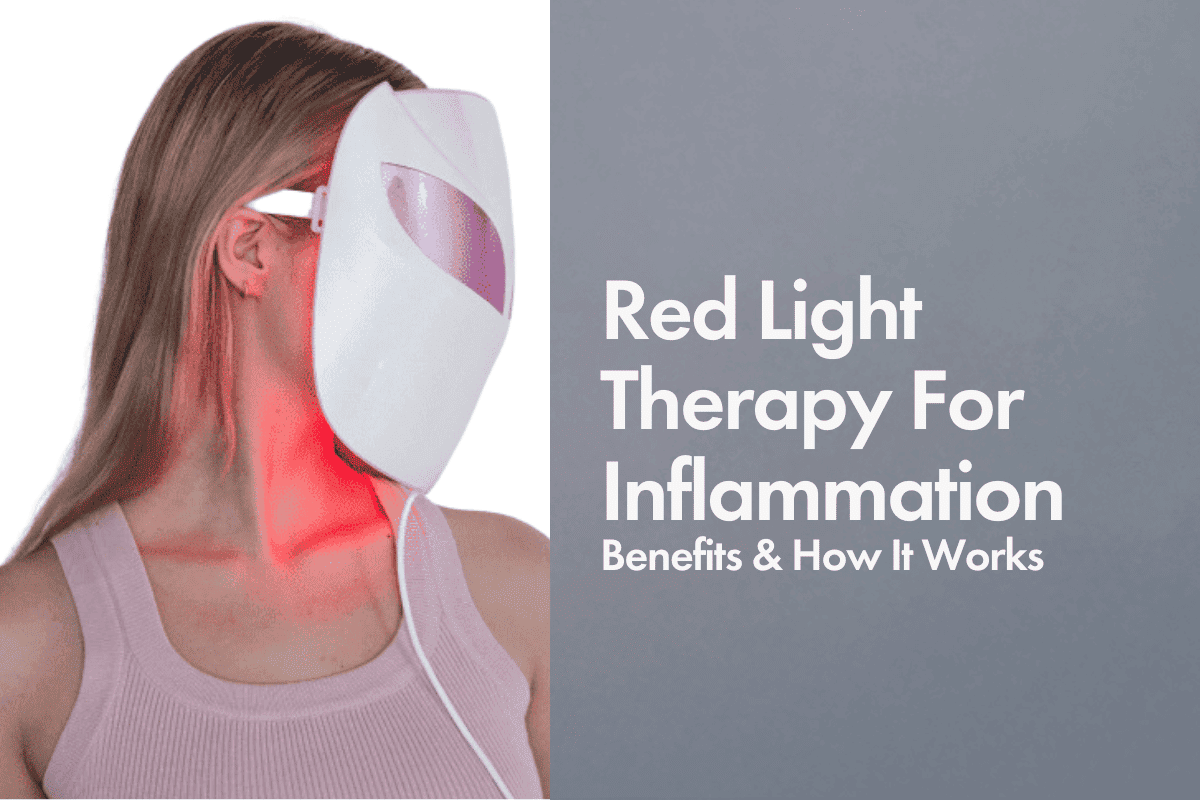

What if pain and inflammation weren’t keeping you on the sidelines? Would you hike that mountain, go skydiving, or finally book that one-way ticket to Thailand?
Red light therapy is helping people ditch the discomfort, heal faster, and take back control of their lives.
Curious how it works and why it’s such a game-changer? Let’s get into it.
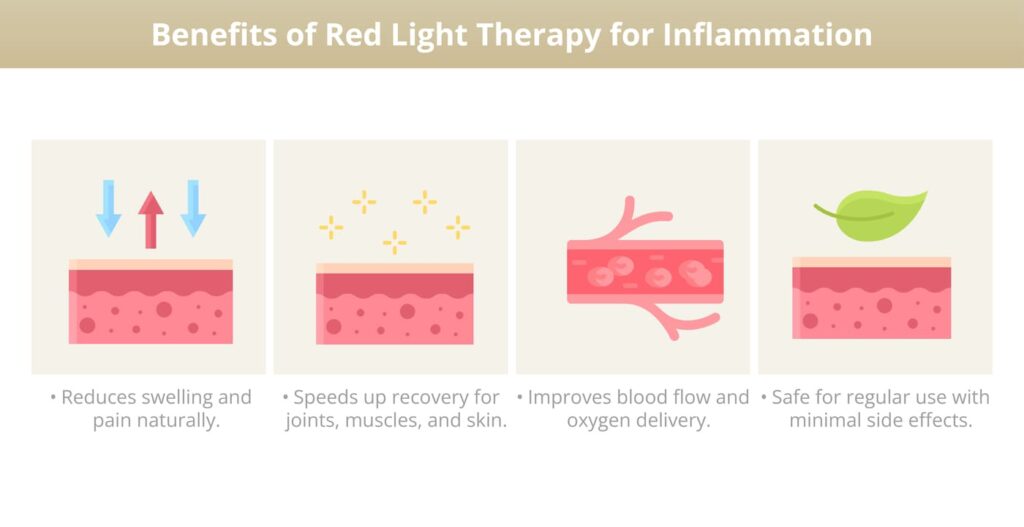
- Boosts cellular repair and reduces oxidative stress to calm inflammation naturally.
- Improves blood flow to promote healing and reduce joint, muscle, and skin discomfort.
- Proven effective for chronic conditions like arthritis and post-workout recovery.
- Safe, non-invasive treatment with minimal side effects for consistent, long-term use.
How Does Red Light Therapy Work?
The effectiveness of red light therapy lies in a process called photobiomodulation. Here’s how it works:
Light Absorption by Mitochondria
When red light penetrates the skin, it reaches the mitochondria—the “powerhouses” of the cell. These structures absorb the light and convert it into usable energy in the form of adenosine triphosphate (ATP).
Increased Cellular Energy
Boosted ATP production gives cells the energy they need to repair damage, grow, and perform their functions efficiently.
This is particularly helpful in areas affected by inflammation, where cells may be stressed or underperforming.
Reduced Oxidative Stress
RLT has been shown to reduce oxidative stress, a key driver of inflammation.
By neutralizing free radicals and supporting cellular balance, it helps lower inflammatory responses in the body.
Enhanced Circulation
The therapy also promotes improved blood flow to the treated area, delivering oxygen and nutrients that aid in healing and further reduce inflammation.
Benefits of Red Light Therapy for Inflammation
Red light therapy offers several benefits for managing inflammation, making it an appealing option for a wide range of conditions:
Reduction of Inflammatory Markers
Research shows that RLT can lower pro-inflammatory cytokines, the proteins responsible for signaling inflammation in the body. This helps decrease swelling and discomfort in affected areas.
Accelerated Tissue Repair
Whether it’s a minor injury or chronic inflammation, RLT supports faster recovery by promoting cell regeneration and reducing pain.
It’s commonly used in sports medicine for this reason.
3. Improved Joint Health
Chronic conditions like arthritis often lead to inflammation in the joints, causing pain and stiffness. Studies suggest that red light therapy can help reduce these symptoms by calming inflammation and improving mobility over time.
4. Relief for Skin Conditions
Conditions like psoriasis, eczema, and acne often involve inflammatory processes. RLT can calm irritated skin, reduce redness, and support the skin’s natural repair mechanisms without irritating it further.
Applications of Red Light Therapy
Red light therapy isn’t limited to one type of inflammation. It’s versatile and used across various medical and cosmetic fields:
Chronic Conditions
RLT is often used to manage chronic conditions like rheumatoid arthritis, fibromyalgia, and inflammatory bowel disease.
By reducing inflammation, it can help alleviate pain and improve day-to-day functioning.
Post-Workout Recovery
Athletes frequently use red light therapy to recover after intense workouts. It helps reduce muscle inflammation, allowing for quicker recovery and improved performance.
Skin Care
RLT is widely used in dermatology to address redness, irritation, and inflammatory skin conditions. It’s also a popular treatment for anti-aging, as it boosts collagen production while calming the skin.
Red light therapy isn’t limited to one type of inflammation. It’s versatile and used across various medical and cosmetic fields:
Chronic Conditions
RLT is often used to manage chronic conditions like rheumatoid arthritis, fibromyalgia, and inflammatory bowel disease.
By reducing inflammation, it can help alleviate pain and improve day-to-day functioning.
Post-Workout Recovery
Athletes frequently use red light therapy to recover after intense workouts. It helps reduce muscle inflammation, allowing for quicker recovery and improved performance.
Skin Care
RLT is widely used in dermatology to address redness, irritation, and inflammatory skin conditions. It’s also a popular treatment for anti-aging, as it boosts collagen production while calming the skin.
Considerations and Potential Side Effects
While red light therapy is generally safe, there are a few things to keep in mind:
Safety Profile
RLT is non-invasive and painless, making it suitable for most people. Unlike UV light, it doesn’t damage the skin or increase the risk of skin cancer.
Possible Side Effects
Some users may experience temporary redness, dryness, or irritation after treatment.
These side effects are rare and typically mild. If they occur, adjusting the duration or intensity of the sessions can help.
Consult a Professional
If you have underlying medical conditions or are on medication, consult a healthcare provider before starting red light therapy. This is especially important for individuals with photosensitivity or other skin-related conditions.
How to Use Red Light Therapy
1. Determine Your Needs
Decide what area you’d like to treat and why. For inflammation, this might include joints, muscles, or the skin.
2. Choose the Right Device
There are various at-home red light therapy devices available. Look for one with wavelengths in the 630–850 nm range, as these are most effective for inflammation.
3. Follow Recommended Guidelines
Each device will have specific instructions, but most recommend sessions of 10–20 minutes, two to three times per week.
Overuse can reduce effectiveness, so consistency is more important than duration.
4. Pair With Healthy Habits
To maximize results, pair RLT with other anti-inflammatory practices like a balanced diet, proper hydration, and regular exercise.
Struggling With Stubborn Inflammation Or Skin Redness?
The Lumi Visage Mask soothes and heals fast
SHOP NOW – GET $100 OFF
Frequently Asked Questions
Can red light therapy be combined with other treatments for inflammation?
Yes, it’s often used alongside physical therapy, medication, or other non-invasive treatments to enhance results.
Is red light therapy effective for inflammation caused by autoimmune conditions?
While it can help reduce inflammation and improve symptoms, it doesn’t address the root cause of autoimmune conditions.
How long does it take to feel relief from inflammation using red light therapy?
Many users notice improvements after a few sessions, but consistent use over 4–6 weeks yields the best results.
Does red light therapy help prevent inflammation or only treat it?
By improving cellular function and reducing oxidative stress, it can help prevent recurring inflammation.
Conclusion
Red light therapy offers a simple, effective way to reduce inflammation, relieve pain, and support healing.
By boosting cellular energy, improving blood flow, and calming inflammatory responses, it has proven benefits for chronic conditions, post-workout recovery, and skin health. Safe, non-invasive, and easy to incorporate into your routine, it’s a powerful tool for improving your well-being.
Ready to try it for yourself? Grab the Lumi Visage 7-Color LED Face Mask today and give your skin the care it deserves.