


Red light therapy has been making waves for its many skin benefits, from reducing wrinkles to speeding up healing.
But could it possibly cause acne?
For those prone to breakouts or new to the treatment, it’s a fair question with a simple answer: no!
Let’s break down how RLT affects the skin, and whether it could be responsible for causing or aggravating acne.
Key Notes
- Red light therapy helps reduce acne, not cause it, by calming inflammation and reducing oil.
- Temporary breakouts may occur due to skin purging or improper skin preparation.
- Consistent, moderate use of RLT improves healing, reduces scars, and supports clearer skin.
- Overuse can irritate skin, leading to acne-like symptoms.
Does Red Light Therapy Cause Acne?
The short answer is no, red light therapy does not cause acne.
In fact, it’s frequently used to treat acne by reducing inflammation, controlling oil production, and speeding up skin healing.
However, in some cases, users might notice breakouts when they first begin red light therapy, and it’s worth understanding why. If you notice blemishes after starting red light therapy, you might think the treatment is causing acne.
But in reality, it’s likely something else.
Here are a few possible explanations:
Skin Purging
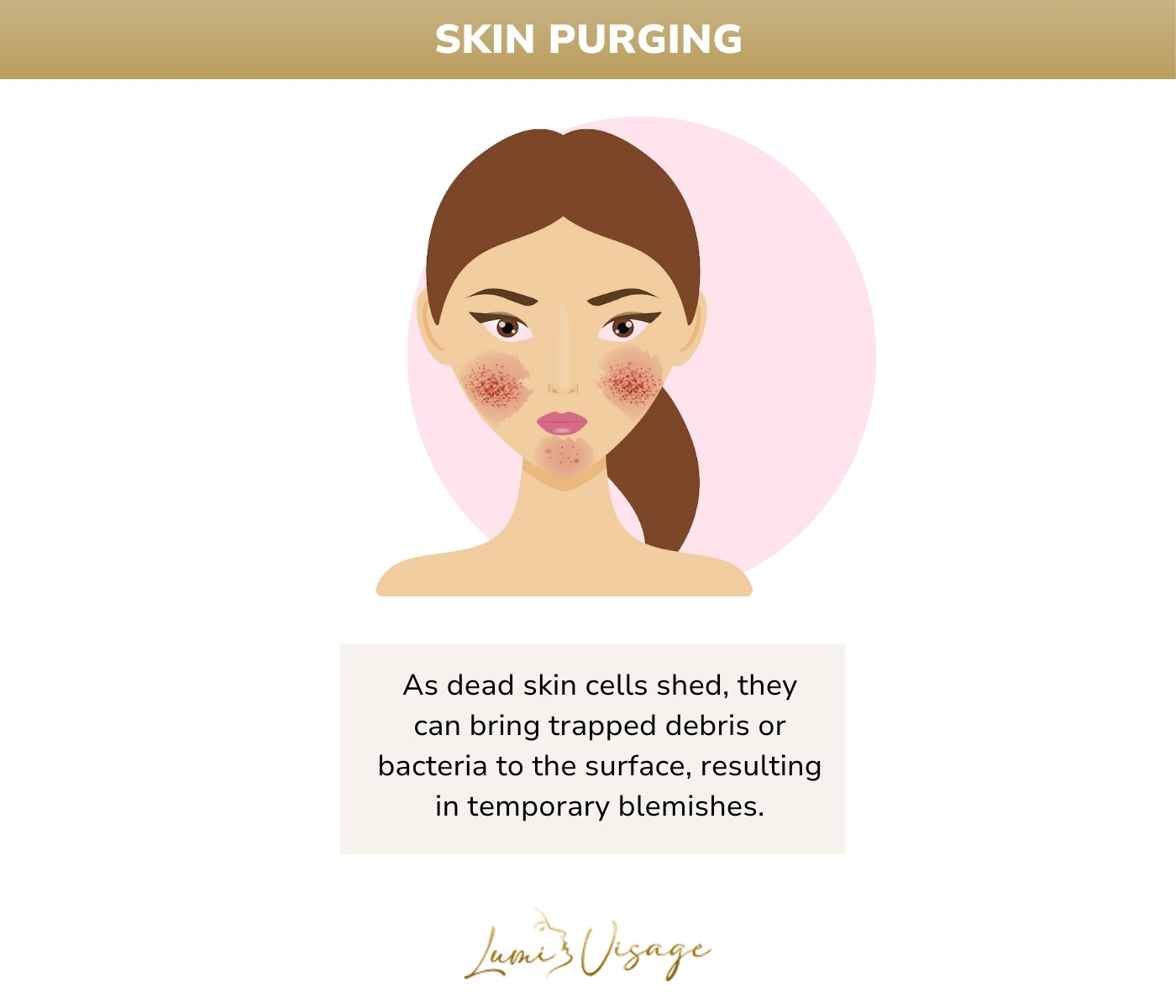
One reason for breakouts is skin purging, which happens when your skin begins shedding dead cells faster than usual.
This is common with treatments that accelerate cell turnover, including red light therapy.
As dead skin cells shed, they can bring trapped debris or bacteria to the surface, resulting in temporary blemishes. This is a normal reaction and typically subsides after a few weeks.
Improper Skin Preparation
If you don’t properly clean your skin before using red light therapy, any residual oils, makeup, or dirt can clog pores.
When pores are blocked, it can lead to acne breakouts.
For best results, cleanse your face thoroughly before each session to avoid this issue.
Overuse
Like any treatment, moderation is key. Overusing red light therapy can irritate your skin, leading to dryness or excessive oil production.
! The overproduction of oil can contribute to clogged pores, potentially causing acne. Make sure to follow the recommended usage guidelines for the device you’re using.
How Red Light Therapy Can Help Acne
Red light therapy isn’t just safe for acne—it’s a highly effective treatment for a multitude of different reasons.
Let’s take a closer look at how it helps:
Reduces Inflammation
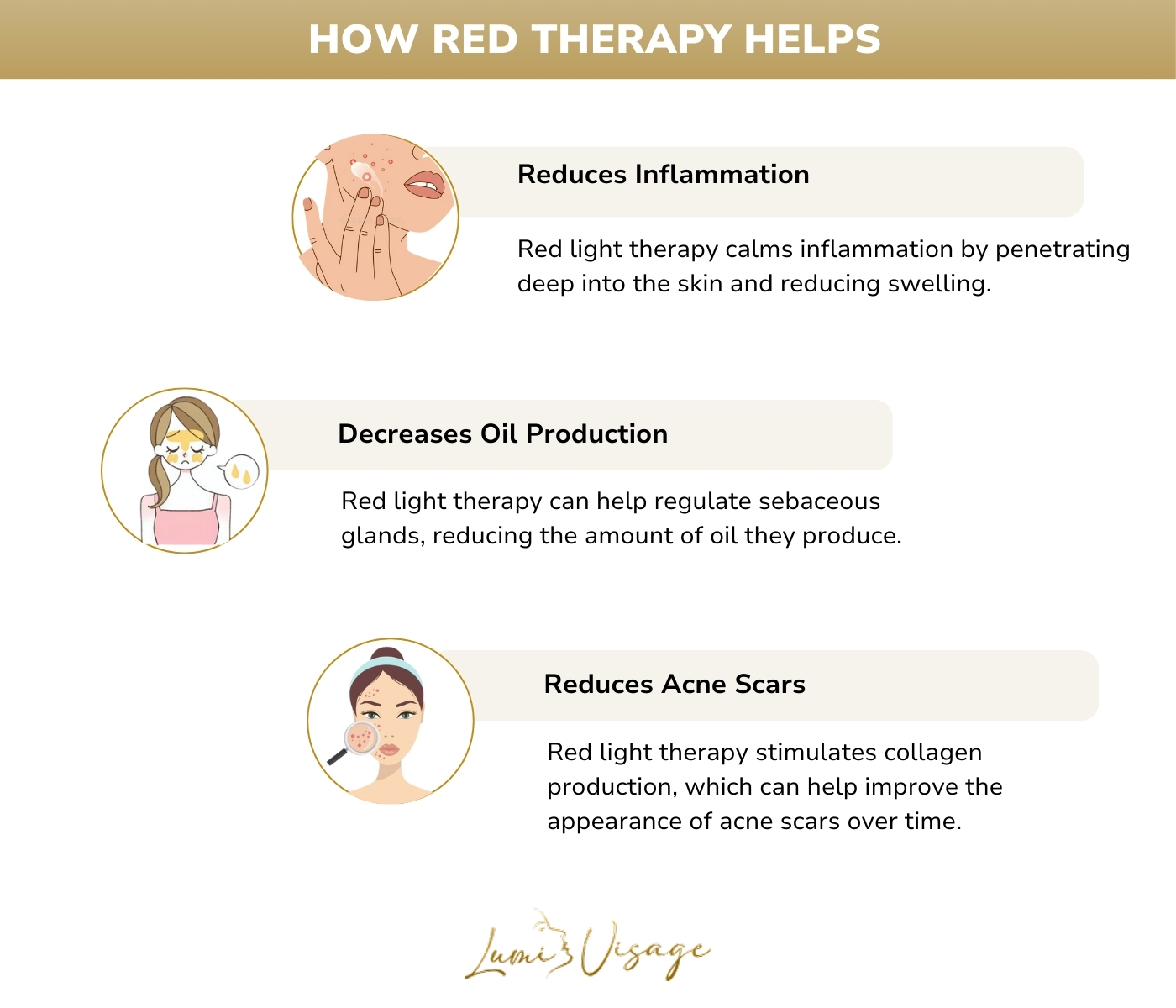
Acne is often caused by inflamed pores. Red light therapy calms inflammation by penetrating deep into the skin and reducing swelling.
This can lessen the severity of acne breakouts and make pimples less red and noticeable.
Decreases Oil Production
Excessive oil production is a major contributor to acne. Red light therapy can help regulate sebaceous glands, reducing the amount of oil they produce.
With less oil clogging pores, the likelihood of acne decreases.
Speeds Up Healing
Acne can take a long time to heal, and red light therapy accelerates this process. By increasing blood circulation and enhancing cellular turnover, RLT helps pimples heal faster, and it can reduce the red marks and pigmentation left behind.
Reduces Acne Scars
Red light therapy also stimulates collagen production, which can help improve the appearance of acne scars over time.
This makes it a great long-term treatment for both active breakouts and leftover scarring.
Best Practices for Using Red Light Therapy Safely
To get the most out of red light therapy without causing irritation or breakouts, it’s important to use it correctly.
Here are some tips to ensure safe and effective use:
1. Cleanse Your Skin Before Each Session
Before each session, make sure your skin is free of makeup, sunscreen, or dirt.
Cleansing your skin properly helps prevent clogged pores and ensures that the red light can penetrate the skin effectively.
2. Stick to Recommended Session Times
Red light therapy works best when it’s used within the recommended time frame, usually 10 to 20 minutes per session.
Overextending your treatment time can cause irritation, which may lead to redness or dryness, so it’s essential to follow the guidelines for your specific device.
3. Don’t Overdo It
Using red light therapy too frequently can irritate the skin, so it’s important to stick to the recommended frequency.
Most experts suggest starting with three to five sessions per week and adjusting based on how your skin responds.
If your skin becomes irritated, reduce the frequency or duration of your sessions.
4. Use the Right Device
If you’re using an at-home red light therapy device, make sure it’s FDA-approved and designed specifically for skin treatments.
This ensures that the light is emitted at the correct wavelength to treat acne and other skin concerns safely.
Are You Fed Up With Acne Flare-Ups
Our LED face mask brings pro-level results to your routine.

Frequently Asked Questions
Can I use red light therapy if I have sensitive skin?
Yes, red light therapy is generally safe for sensitive skin, but start with shorter sessions and monitor for any irritation. Always consult with a dermatologist if you have concerns.
Does red light therapy have any side effects?
Side effects are rare but can include temporary redness, dryness, or mild irritation if overused. These usually resolve on their own.
How soon can I expect results from red light therapy?
Visible improvements usually take a few weeks. Most users see noticeable changes after 4–8 weeks of consistent use.
Can red light therapy be used on other parts of the body besides the face?
Yes, red light therapy can be used on any part of the body, including areas prone to acne, scars, or wrinkles, such as the back or chest.
The Verdict: Can Red Light Therapy Cause Acne?
Red light therapy is a safe, effective option for managing acne by reducing inflammation, controlling oil production, and promoting faster healing.
While some may experience initial breakouts, these are often due to skin purging or improper use, not the therapy itself.
With consistent, correct use, red light therapy can improve skin clarity and even help reduce the appearance of scars.
If you’re ready to take control of your skincare routine, try the Lumi Visage 7-Color LED Face mask—designed to bring professional-grade red light therapy right to your home.