

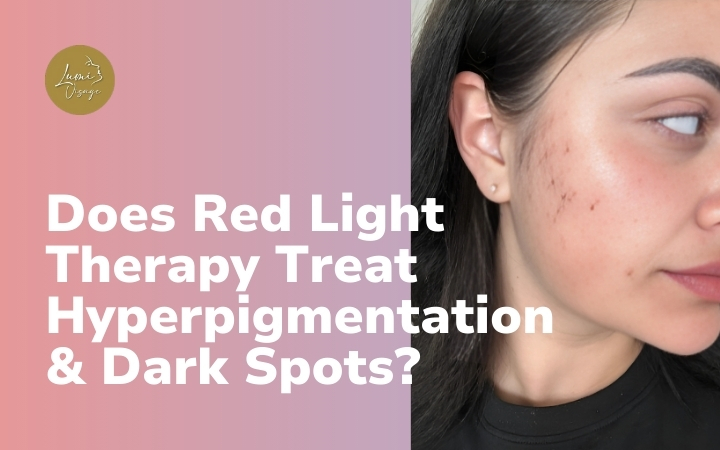

Red light therapy for hyperpigmentation is changing the game for stubborn dark spots.
Sun damage, hormones, acne scars—if you’ve tried it all with no luck, this gentle, science-backed treatment could be your answer.
Say goodbye to harsh peels and creams; red light might finally bring the clear, even skin you’ve been after.
We’ll dig into how red light therapy targets hyperpigmentation, what science says about its effectiveness, and tips for getting the best results safely.
- Red light penetrates 2-10mm deep, targeting melanocytes to regulate melanin production at the source.
- Clinical studies show significant pigmentation improvement when combining red and near-infrared wavelengths.
- Beyond pigmentation, treatment provides anti-inflammatory benefits and boosts collagen for overall skin health.
What Causes Hyperpigmentation and Dark Spots?
Hyperpigmentation often results from increased melanin production, the pigment responsible for our skin color. Sun exposure is a major culprit; UV rays stimulate melanocytes (melanin-producing cells), which can lead to sunspots or freckles.
Hormonal changes, such as those during pregnancy or while using birth control, can also trigger melasma, a type of hyperpigmentation that appears as larger patches on the face.
Other common causes include:
- Skin Trauma: Scars from acne, cuts, or burns can leave lasting pigmentation, known as post-inflammatory hyperpigmentation (PIH).
- Aging: Age spots, also called liver spots, often appear as we get older.
When melanocytes are triggered by factors like sun or inflammation, they start producing excess melanin as a defense mechanism. This pigment can get distributed unevenly, leading to dark spots or patches that don’t easily fade.
Treatments targeting these overactive cells, like red light therapy, work by downregulating melanin production for a more even complexion.

How Red Light Therapy Works on Skin
Red light therapy uses LED lights in the red to near-infrared spectrum (typically 630 to 700 nm) to penetrate skin layers and stimulate cellular activity. These wavelengths are absorbed by the mitochondria, which are the cell’s “powerhouses.”
This energy boost can lead to increased collagen production, cellular repair, and reduced inflammation—all of which benefit the skin’s appearance.
Understanding Red Light Therapy’s Wavelengths
Red light and near-infrared (NIR) light can penetrate skin deeply without damaging the surface.
Red wavelengths reach around 2-10 mm, which is ideal for reaching melanocytes in the epidermis and dermis layers. NIR light penetrates even deeper, allowing it to stimulate skin structures below the surface.
Key Mechanisms in Reducing Pigmentation
The red light wavelengths used in this therapy interact with skin cells in several beneficial ways:
- Regulating Melanin Production: By calming overactive melanocytes, red light therapy can prevent these cells from overproducing melanin.
- Boosting Collagen: Collagen doesn’t directly affect pigmentation, but by supporting overall skin health, it can make dark spots less visible and improve skin texture.
- Reducing Inflammation: Red light therapy reduces inflammation, which is especially useful for post-inflammatory hyperpigmentation from acne or injury.
Does Red Light Therapy Help with Hyperpigmentation?
The science behind red light therapy is very promising, especially for hyperpigmentation.
Various studies have explored its impact on conditions involving melanin production, showing that red light therapy can be a valuable part of a treatment plan.
Insights from Clinical Studies
Clinical trials have shown positive results when using red light therapy to treat hyperpigmentation:
- A 2023 study found that red light therapy at 633 nm helped reduce pigmentation in patients with melasma after several weeks of treatment. The study also noted improvements in skin texture and tone without adverse side effects.
- Another study showed that combining red and NIR light significantly improved melanin-related pigmentation and provided added benefits for anti-aging.
These studies suggest that consistent use of red light therapy can be effective in managing hyperpigmentation, though it may take several weeks to see noticeable results.

Benefits of Red Light Therapy for Hyperpigmentation & Skin Health
Beyond treating pigmentation, red light therapy can offer several complementary skin benefits:
Anti-Inflammatory Effects on Skin
Reducing inflammation is crucial for calming irritated or acne-prone skin, which in turn reduces the risk of developing post-inflammatory hyperpigmentation.
This makes red light therapy especially helpful for those who struggle with acne scars and spots.
Enhancing Hydration and Skin Firmness
As the mitochondria boost collagen production and cellular activity, the skin’s natural hydration and firmness improve, leading to a healthier appearance.
Hydrated skin often shows fewer signs of pigmentation and generally appears more radiant.
Anti-Aging Benefits
Many people turn to red light therapy for its anti-aging benefits, and there’s good reason for this. Increased collagen production can reduce the appearance of fine lines and support overall skin resilience, which can help pigmentation fade naturally over time.
Ready To Brighten And Rejuvenate Your Complexion?
Say goodbye to uneven skin tone with red light therapy.
SHOP NOW – GET $100 OFF
Who Should Consult a Dermatologist First?
Anyone with a history of skin sensitivity, chronic pigmentation issues, or conditions that affect skin pigment, such as vitiligo, should consult a dermatologist before using red light therapy.
This therapy may also interact with certain medications, especially those that increase light sensitivity, so if you’re taking medication, it’s best to seek professional advice.
Combining Red Light Therapy with Other Treatments
To maximize the effectiveness of red light therapy, consider using it alongside other skincare treatments.
Pairing with Topical Products
Topicals containing Vitamin C, niacinamide, or retinoids can help lighten pigmentation and provide a more even skin tone.
When paired with red light therapy, these products can further inhibit melanin production and brighten dark spots. Just be cautious not to apply any products that cause sensitivity before light therapy to avoid irritation.

Frequently Asked Questions
Can red light therapy prevent future pigmentation issues?
Yes, studies suggest red light therapy can strengthen the skin’s resilience against UV exposure by promoting cellular repair and improving the skin’s natural defense mechanisms. Some research even shows it offers UV protection similar to SPF 15, making it a valuable preventative tool when used in combination with sunscreen.
Is there a specific time of day best for red light therapy?
Morning sessions are often preferred because red light exposure can increase alertness and energy levels. Using it earlier in the day may maximize skin recovery without affecting evening relaxation or sleep for those who find light stimulating.
How does red light therapy compare with laser treatments for pigmentation?
Laser treatments are more intense and can treat deep pigmentation issues faster, but they may cause downtime or side effects like redness and peeling. Red light therapy, while slower to show results, is gentler, has no downtime, and is suitable for sensitive skin types.
Are certain skin tones more responsive to red light therapy for hyperpigmentation?
While red light therapy is safe for all skin tones, it may be particularly effective for lighter skin tones when used for hyperpigmentation. For darker skin tones, starting with lower intensity can help prevent overstimulation and additional pigmentation.
Can red light therapy help with pigmentation issues caused by medication?
For those experiencing pigmentation from photosensitizing medications, red light therapy may help reduce discoloration. However, it’s essential to consult a healthcare provider first, as medications can increase skin sensitivity to light and impact results.
Conclusion
Red light therapy is showing real promise for reducing hyperpigmentation, acne scars, and uneven skin tone.
By calming overactive melanin-producing cells, boosting collagen, and reducing inflammation, red light treatments help restore skin to a healthier, more even appearance.
Consistency is key for the best results, so choosing a quality device makes all the difference in ensuring both safety and effectiveness. When combined with daily skincare practices and sun protection, red light therapy can help you achieve smoother, clearer skin over time. Ready to see a brighter, even-toned complexion? Try the Lumi Visage 7-Color LED face mask to experience a complete rejuvenation of your skin.