

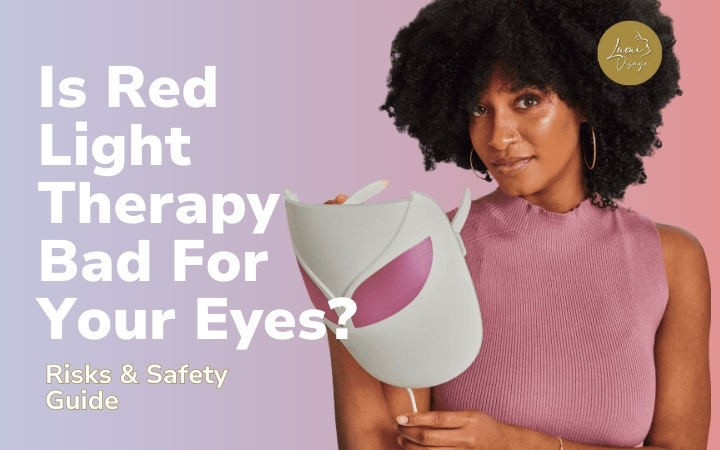

Red light therapy promises plenty of benefits for your skin and wellness, but is it safe for your eyes?
Before you get blinded by the glow of the hype, here’s what you need to know to stay safe: the research-backed facts, expert recommendations, and simple ways to protect your eyes if you’re using red light therapy at home.
Key Notes
- Protecting eyes during red light therapy is crucial, especially for sensitive or medicated users.
- Devices often emit near-infrared light, which may increase risk for cataracts or vision issues.
- Choose FDA-cleared devices with built-in eye protection for safe at-home treatments.
- Studies suggest red light may help treat dry eye disease, eye fatigue, and even diabetic retinopathy
Should Your Eyes Be Closed During Red Light Therapy?
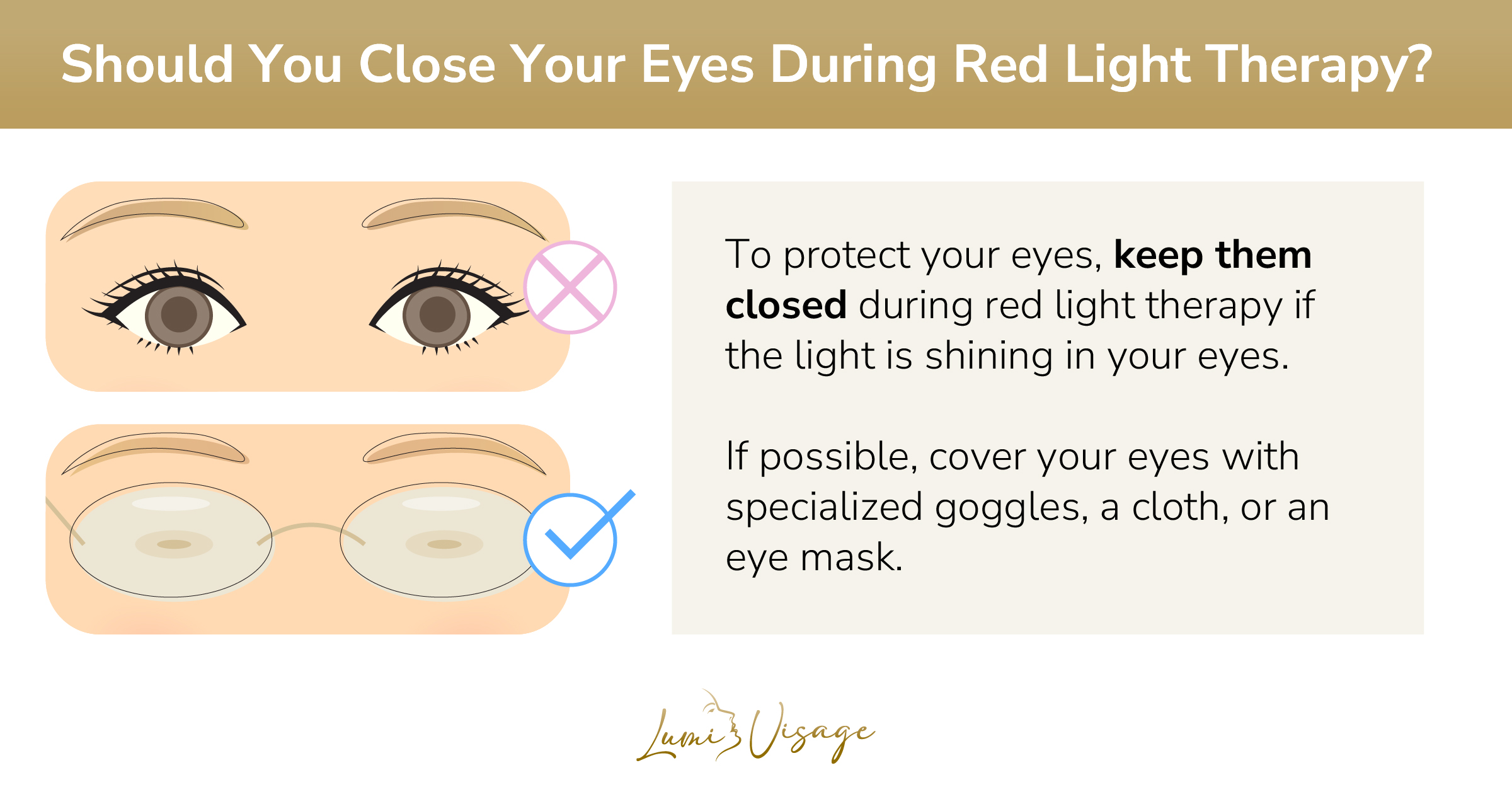
When you undergo red light therapy, you should keep your eyes closed if the light can shine in your eyes.
For example, using a device like an LED face mask, treating the skin on your face with a lamp, or facing a red light panel. Although studies have shown that light therapy is safe for the eyes in physically healthy people, the research is ongoing.
Plus, certain conditions or devices could set your eyes up for damage.
If you have an underlying eye condition or take medication that increases photosensitivity, making your eyes more sensitive to light, you could experience damage or side effects if red light reaches your eyes.
In addition, a lot of red light therapy devices also use near-infrared wavelengths in their red light settings which can be damaging to the eyes. It can affect the lens in your eyes and could cause cataracts.
However, if the light isn’t shining toward your eyes—for example, if you’re using a lamp to treat other parts of your body—then you can keep your eyes open as long as you’re careful not to look into the light.
Do You Need Eye Protection for Red Light Therapy?
Medical professionals recommend that if there is a chance red LED light could shine into your eyes during treatment, you should use eyewear, like specialized goggles, a cloth, or an eye mask.
Having that protection will help block the light and prevent damage or side effects.
Always follow the manufacturer’s instructions when using a red light device. Products that cover the face and those that provide a full-body treatment both have the potential of light reaching your eyes. Some devices may also emit heat, which could cause discomfort or damage by being so close to your skin or eyes.
The safest option is to use a device with eye protection features, which has been rigorously tested and cleared by the FDA.

Is Red Light Therapy Safe for Your Eyes?
Unlike UV light, the bright light that comes from the sun and can damage your eyes, research hasn’t shown red light to be harmful in certain situations. However, since the research is ongoing, the long-term effects aren’t clear.
For example, a systematic review into the safety of light therapy for the eyes showed it’s safe for people who are physically healthy and not on medications (such as those that cause photosensitivity).
The review found no relationship between the occurrence of complaints and light therapy and no evidence that light therapy caused ocular damage, except in one case where the person was taking photosensitizing medication.
Some medications that can increase photosensitivity or dry eye include:
- Antihistamines
- Contraceptives or estrogens
- Antiarthritics
- Antibiotics
- Antidepressants
- Beta-blockers
- Acne medications
- Vitamin A derivatives
Some generally healthy people also reported minor side effects like eye discomfort, dryness, or light sensitivity when using red light therapy, but these are usually temporary and resolve on their own.
Nonetheless, anyone using red light therapy near the eyes at home should be cautious and protect their eyes to avoid side effects.
Are Other LED Light Therapy Colors Safe for Your Eyes?
Much like red light therapy, most color therapy wavelengths from the visible light spectrum aren’t thought to be harmful to the eyes unless used in high intensity.
However, more research is needed on the long-term effects, so it’s always best to be careful and protect your eyes during any type of LED light therapy.
You should also be extra careful when using blue light therapy. While it does have numerous benefits, like treating acne, blue light can cause damage to the retina.
Many LED light therapy devices include near-infrared light (NIR) in their red light settings, but near-infrared light can cause damage to the cornea or cause other issues, like cataracts or vision loss.
So, be sure to follow product guidelines and recommendations for your specific device.
Do You Want Eye-Safe LED Light Treatment?
Our mask features built-in eye protection and FDA clearance.

4 Potential Benefits of Red Light Therapy for Eye Health
Some research shows LED light therapy has the potential to improve eye health.
However, the research is ongoing and more clinical trials are needed to ensure it’s safe and to determine the most effective wavelengths of light, the best dosage, and the duration of treatment.
Although there is not yet a consensus about how red light affects the eyes, these potential benefits show the potential red light may have to improve visual acuity or treat a range of issues.
Of course, you shouldn’t try any of these methods at home, and should always protect your eyes when using at-home LED light therapy devices.
1. May Help Declining Eyesight
A study found that exposure to red light at 670 nm improved older adults’ ability to discern letters against a similarly colored background.
Participants used the light to illuminate their dominant eye every morning for three minutes and repeated daily for two weeks. Researchers found color contrast sensitivity improved in individuals around 40 years and older but had no impact on younger participants.
Another study found red light partially reversed the effects of aging in the retinas of older mice. Other research has also shown red light therapy may be a promising treatment for conditions such as age-related macular degeneration (AMD) or glaucoma.
2. May Reduce Eye Strain and Fatigue
Red light therapy shows promise for reversing the damage caused by blue light, indicating it may help reduce eye strain and fatigue from time spent looking at digital screens.
A study on lab-grown retinal cells found the cells showed negative effects when exposed to blue light, including loss of viability, mitochondrial depolarization, and increased reactive oxygen species (ROS) production, as well as up-regulation of proteins associated with cell death.
However, these negative effects were significantly reduced when red light was administered afterward.
3. May Treat Dry Eye Disease
Research has shown that red light therapy may treat dry eyes. In a study, over 90% of patients reported improvement in their dry eye symptoms after treatment with red light therapy.
A total of 52 patients were treated with red light therapy over closed eyes for three minutes on each eye at least twice a week (but not more than once daily) for three months.
The treatment led to a significant increase in tear film break-up time from an average of 3.62 seconds before treatment to 5.87 seconds after treatment.
4. May Improve Overall Eye Health
Other studies have shown that red light therapy may help treat various eye diseases such as diabetic retinopathy (a complication of diabetes that affects the eyes and can lead to blindness) as well as reduce inflammation in the eye.
In addition, red light has been shown to increase collagen production, strengthening the connective tissue in the eye, and leading to good overall eye health.
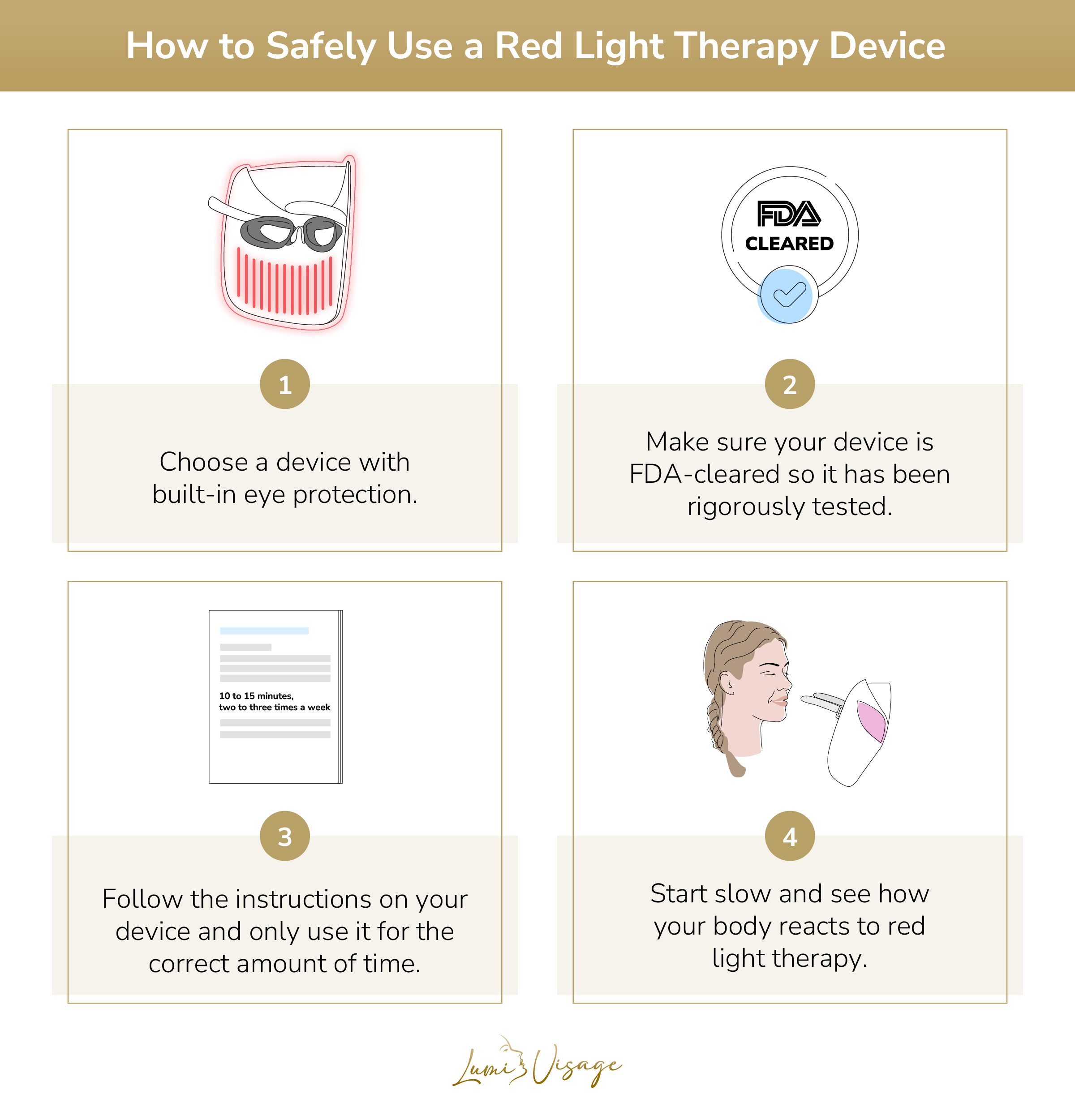
How to Safely Use a Red Light Therapy Device
Even though red light therapy may have some benefits for the eyes, because research is ongoing, it’s important to protect your eyes when using red light to treat your skin.
1. Choose a Device with Built-in Eye Protection
Choosing a device with built-in eye protection is the best way to ensure your treatments are safe and relaxing.
Since some people can experience side effects or eye damage from red light, several face-mask products without eye protection have even been recalled and taken off the market.
2. Choose an FDA-Cleared Device
LED light therapy is safe, but not all devices are created equal.
Make sure you choose one that has been FDA-cleared, which means it has been evaluated for safety and effectiveness based on FDA standards.
3. Always Follow the Instructions
Treating yourself with near infrared light (NIR) or red light therapy at home is a relaxing experience, but it’s crucial to read and follow the instructions on your device to make sure you’re using the correct settings for the correct amount of time.
This can help you avoid any negative effects and ensure you only get the benefits.
4. Start Slowly
As with any skin care treatment, start slowly to see how your body reacts, then increase the amount.
Even then, only use as often as your device recommends.
Ready To Enjoy Red Light Therapy Without Worry?
Built for full face care—the Lumi Visage mask has it all.
Frequently Asked Questions
Can red light therapy affect sleep if used in the evening?
While red light is generally considered safe, it can influence your circadian rhythm. Some people find it stimulating, so using it earlier in the day may be better if you’re sensitive to light affecting your sleep.
How does red light therapy compare to sunlight exposure for eye health?
Sunlight contains harmful UV rays, which red light therapy does not. Red light therapy uses specific wavelengths beneficial for skin and potentially eye health without the risks associated with UV exposure.
Is it safe to combine red light therapy with blue light-blocking glasses?
Yes, using blue light-blocking glasses won’t interfere with red light therapy. This combination may help counteract the harmful effects of blue light exposure from screens, making red light therapy more comfortable.
Can children or teens safely use red light therapy?
Children and teens may benefit from red light therapy, but always consult a healthcare provider first, as their eyes are more sensitive, and it’s essential to avoid any potential risks.
Conclusion
Red light therapy can offer great potential for eye and skin health, but protecting your eyes is key, especially if you’re using a device at home.
While some red light wavelengths may be beneficial, exposure without proper eye protection can lead to risks, particularly for those with sensitive eyes or certain health conditions.
Choosing a device with eye protection and FDA clearance adds an extra layer of safety, ensuring the treatment is both effective and comfortable.
The 7-Color Lumi Visage LED Face Mask includes all these safeguards, offering both eye protection and customizable light settings. Give your skin the care it deserves and support eye safety with only the best of the best.