


We know acne scars stick around like unwelcome guests. It’s frustrating, especially when you’ve tried everything and they just won’t fade.
But LED light therapy could be your solution that finally works.
It’s gentle on your skin, easy on your wallet, and you can use it at home, no appointments required.
If you’re ready to see real change, we’ll show you exactly how LED light can help you get the smooth, clear skin you’ve been chasing.
Key Notes
- LED light therapy boosts collagen and reduces acne scars without invasive procedures.
- Combines red and blue light for healing, inflammation control, and scar improvement.
- At-home devices offer real results, saving you costly clinic visits.
- Consistency is key; expect gradual improvements over several weeks.
Understanding Acne Scars
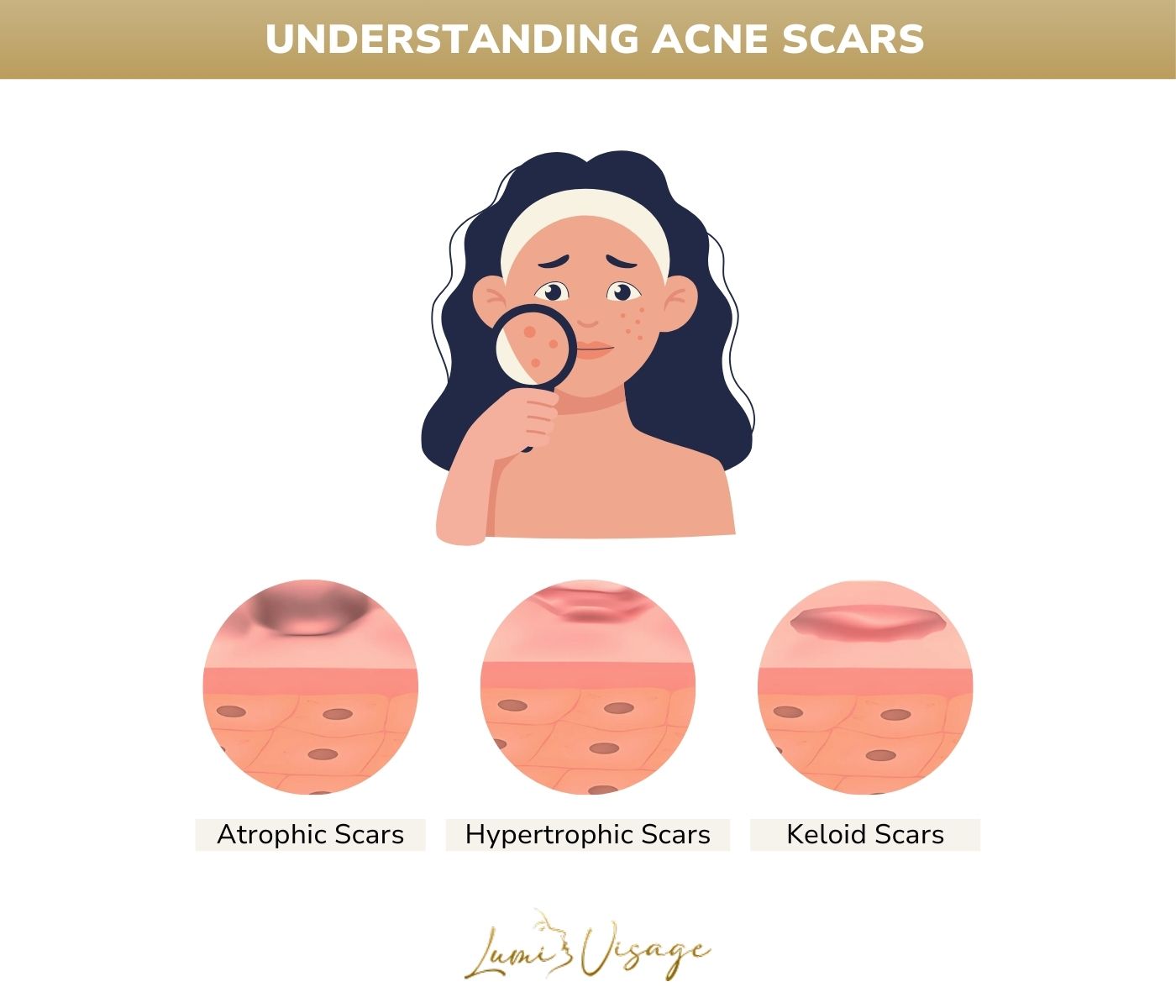
Knowing what kind of scars you have can help you choose the most effective treatment.
Acne scars typically fall into two categories:
Atrophic Scars
These are the most common type of acne scars and appear as depressions in the skin.
The three main types are:
- Ice pick scars: Narrow, deep pits that look as if the skin has been punctured.
- Boxcar scars: Wide, U-shaped scars with sharp edges.
- Rolling scars: Broad depressions with sloping edges, creating a wavy texture on the skin.
Hypertrophic and Keloid Scars
These are raised scars that result from an overproduction of collagen during the skin’s healing process.
Hypertrophic scars stay within the boundaries of the original injury, while keloids extend beyond that.
How Different LED Light Colors Help Treat Acne Scars
Each LED color has different benefits based on its wavelength, and when applied to the skin, these wavelengths can penetrate different layers to stimulate healing.
The key wavelengths for treating acne scars are:
Red Light (630-660 nm)
Known for promoting collagen production, red light penetrates deep into the skin and triggers fibroblasts, which are responsible for collagen synthesis. Increased collagen helps to fill in depressed scars, making them less noticeable.
Blue Light (415-420 nm)
While blue light is more commonly used for active acne, it can still play a role in preventing new scars from forming by reducing inflammation and bacteria on the skin.
Near-Infrared Light (830 nm)
This wavelength penetrates deeper than red light and is known for its wound-healing properties, making it effective for both atrophic and hypertrophic scars.
It also improves circulation, which helps deliver oxygen and nutrients to damaged areas of the skin, promoting healing.
Benefits of LED Light Therapy for Acne Scars
Stimulating Collagen Production
Collagen is a protein that helps keep the skin smooth and firm. When you experience acne scarring, the loss of collagen leads to the depressions and texture irregularities you see on your skin.
Red light therapy helps by boosting the production of collagen, which fills in these scars over time.
Reducing Inflammation
Inflammation plays a major role in the development of acne scars. Blue light therapy, though traditionally used for active acne, helps reduce inflammation, which is a crucial step in minimizing future scarring.
By keeping inflammation under control, LED light therapy allows the skin to heal more efficiently and prevents prolonged redness or irritation that can worsen scarring.
Improving Blood Circulation
One of the less talked about benefits of LED light therapy is its ability to enhance blood circulation.
When red or infrared light is absorbed by the skin, it stimulates the production of nitric oxide, which helps dilate blood vessels. This brings more oxygen and nutrients to the affected areas, aiding in faster healing and reducing the appearance of scars.
Addressing Pigmentation
Some acne scars come with hyperpigmentation — dark spots that remain after the pimple has healed.
Green and yellow light therapies are often used to help reduce these discolorations by targeting melanin production in the skin. This can be an added benefit for anyone looking to improve not just the texture but also the tone of their skin.
Struggling With Stubborn Acne Scars?
LED light therapy is a safe, affordable solution.

LED Light Therapy Devices: Professional vs. At-Home Use
You have two main options when it comes to LED light therapy: professional treatments at a clinic or at-home devices.
In-Clinic Treatments
Professional treatments are typically more powerful and offer faster results.
Dermatologists use high-intensity LED light devices that can penetrate deeper into the skin. These treatments are often done in a series, with multiple sessions over a few weeks or months.
They’re ideal for anyone looking for quicker, more dramatic results.
At-Home Devices
At-home LED light therapy devices are a more affordable and convenient option, though they may require more patience.
Devices like masks and handhelds offer the same technology as professional treatments, just at lower intensities. Many of these devices are FDA-cleared for safety and efficacy, but they do require consistent use over several weeks to see results.
For acne scars, using a combination of red and infrared light can help. Devices that include both wavelengths are a good investment for those seeking long-term improvement without frequent visits to a clinic.
Combining LED Therapy with Other Treatments
While LED light therapy is effective on its own, combining it with other treatments can boost results.
Many dermatologists recommend pairing LED light therapy with topicals, such as retinoids or peptides, to enhance collagen production and skin renewal.
Additionally, microneedling, a procedure that creates micro-injuries in the skin to stimulate healing, can be an excellent complement to LED therapy.
The combination of these treatments can provide a multi-faceted approach to acne scar treatment, giving you the best chance for smoother, healthier-looking skin.
How Often Should You Use LED Light?
The effectiveness of LED light therapy largely depends on consistency.
Professional treatments are usually done two to three times a week, with sessions lasting 15-30 minutes. For at-home devices, you may need to use them more frequently, typically daily or every other day, depending on the device.
It’s important to note that results won’t be instantaneous. It can take several weeks, even months, of regular use before you see significant improvement.
However, the gradual changes in skin texture and tone are long-lasting, especially when combined with good skincare practices.
Safety Tips and Precautions
One of the best things about LED light therapy is that it’s non-invasive and generally very safe.
However, there are a few precautions to keep in mind:
Protect Your Eyes
Always use eye protection during LED therapy, especially with at-home devices. Some wavelengths, particularly blue light, can be harmful to the eyes with prolonged exposure.
Photosensitivity
If you’re taking medication that increases your sensitivity to light (such as certain antibiotics or acne treatments), consult with a doctor before starting LED therapy.
Follow Instructions
Whether you’re using an at-home device or undergoing professional treatments, following the recommended guidelines is key to avoiding side effects like redness or irritation.
Frequently Asked Questions
How long does it take to see results from LED light therapy for acne scars?
Results typically start to show after 4 to 6 weeks of consistent use, but full results can take a few months depending on scar severity and skin type.
Is there a risk of skin damage or burns from using LED light therapy?
No, LED light therapy is considered very safe. It doesn’t use UV light, so there’s no risk of burns or skin damage when used correctly.
Can LED light therapy treat older acne scars, or is it only effective on new ones?
LED light therapy can help reduce the appearance of both new and older acne scars by stimulating collagen production and promoting skin regeneration.
Are there any skin types that should avoid LED light therapy?
LED light therapy is generally safe for all skin types, but those with photosensitive conditions or taking certain medications should consult a doctor before starting.
Conclusion
LED light therapy offers an effective, low-hassle solution for reducing acne scars and improving your skin’s texture.
Whether you’re tackling new scars or ones that have been around for years, this therapy stimulates healing without the downtime or high costs of other treatments.
Plus, at-home devices make it easier than ever to fit into your routine.
If you’re looking for a non-invasive, affordable way to smooth your skin and get long-lasting results, get your 7-Color Lumi Visage LED Face Mask. Your skin will love you for it.