

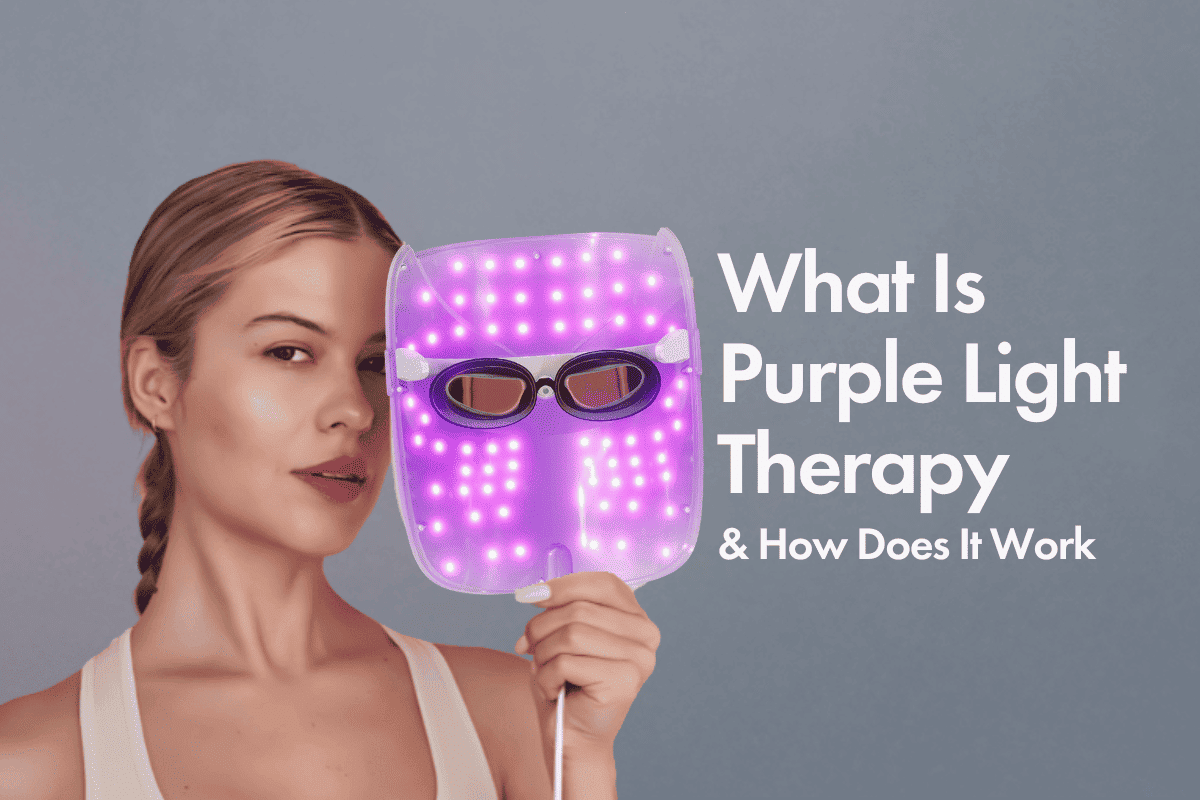

Purple light therapy keeps things interesting. By blending the acne-fighting power of blue light with the collagen-boosting effects of red, it clears breakouts while keeping skin firm and smooth.
It delivers the best of both treatments in a single step.
If you want clearer, healthier skin without the guesswork, here’s how purple light therapy works and why it’s worth trying.
- Purple light therapy combines red and blue wavelengths to fight acne and boost collagen.
- It helps reduce breakouts, calm inflammation, and improve skin elasticity.
- Unlike blue light alone, it’s gentler on sensitive or redness-prone skin.
- Safe for most skin types, but proper usage prevents irritation.
Understanding LED Light Therapy
LED (light-emitting diode) therapy uses different wavelengths of light to penetrate the skin and trigger biological responses.
Unlike UV light, which damages skin cells, LED light is non-invasive and works by stimulating natural healing processes.
Each color targets a specific skin concern:
- Red light: Boosts collagen and reduces wrinkles.
- Blue light: Kills acne-causing bacteria and controls oil.
- Green light: Helps with pigmentation and dark spots.
- Yellow light: Soothes sensitive skin and reduces redness.
- Purple light: A combination of red and blue, offering anti-aging and acne-fighting benefits.
Because it blends two powerful wavelengths, purple light therapy delivers both surface-level and deeper skin benefits.
The Science Behind Purple Light Therapy
Wavelength and Penetration
Purple light falls between 380 and 450 nm on the spectrum, combining the properties of blue and red light. Blue light works on the surface to combat acne, while red light penetrates deeper to promote skin regeneration.
The result? A therapy that fights breakouts while also improving skin texture and elasticity.
How It Works on the Skin
When purple light reaches the skin, it:
- Helps skin heal faster by promoting better cell turnover.
- Destroys acne-causing bacteria without irritating sensitive areas.
- Stimulates collagen production to keep skin firm and youthful.
- Reduces inflammation that leads to redness and irritation.
Benefits of Purple Light Therapy
Acne Reduction
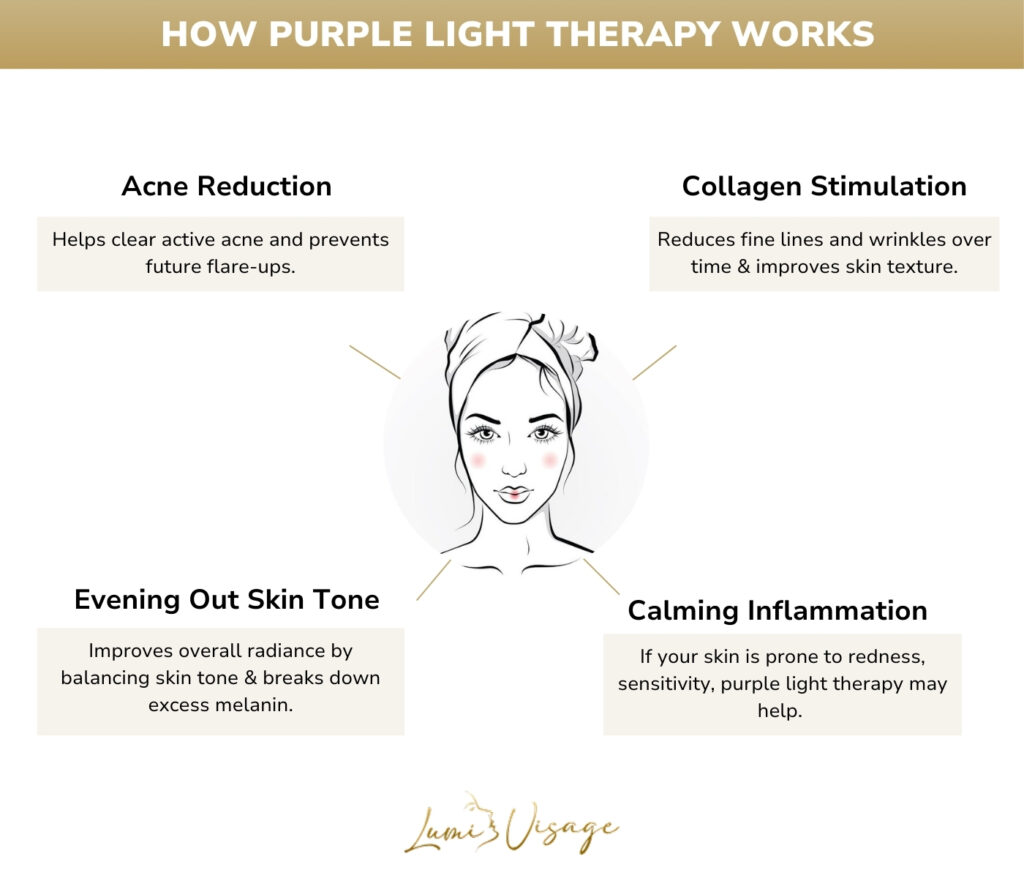
Like blue light, purple light targets Propionibacterium acnes, the bacteria responsible for breakouts. By eliminating bacteria and reducing oil production, it helps clear active acne and prevents future flare-ups.
What makes purple light different? It’s gentler on the skin, making it a good option for those who find blue light too harsh or drying.
Collagen Stimulation
Red light is known for boosting collagen, the protein that keeps skin firm and elastic. Since purple light contains red wavelengths, it helps:
- Reduce fine lines and wrinkles over time.
- Improve skin texture by increasing cell renewal.
Prevent premature aging by strengthening the skin’s support structure.
Evening Out Skin Tone
Hyperpigmentation and age spots often develop due to sun exposure and inflammation.
Purple light therapy can:
- Improve overall radiance by balancing skin tone.
- Break down excess melanin responsible for dark spots.
- Speed up skin repair after acne breakouts or irritation.
Calming Inflammation
If your skin is prone to redness, sensitivity, or post-acne irritation, purple light therapy may help.
The red-light component soothes inflamed skin, while the blue-light element prevents new breakouts. It’s especially useful for those dealing with acne-related redness or rosacea.
Comparing Purple Light to Red and Blue Light Therapies
Many people wonder whether they should use purple light therapy or stick with traditional red or blue light treatments.
Here’s how they compare:
| Feature | Purple Light Therapy | Red Light Therapy | Blue Light Therapy |
|---|---|---|---|
| Best For | Acne & Anti-Aging | Wrinkles & Skin Repair | Acne & Oil Control |
| How It Works | Combines red & blue | Boosts collagen & healing | Kills acne bacteria |
| Who Should Use It? | Acne-prone & aging skin | Mature or dry skin | Oily, acne-prone skin |
Red Light Therapy
- Best for anti-aging, fine lines, and wound healing.
- Stimulates collagen and increases cell turnover.
- Works well for dry or mature skin.
Blue Light Therapy
- Best for acne-prone skin and oil control.
- Eliminates bacteria and prevents clogged pores.
- Can be drying for some skin types.e.
Purple Light Therapy
- Combines acne-fighting and anti-aging benefits.
- Gentler than blue light alone.
- Ideal for those with mixed concerns like breakouts and aging signs.
If you’re dealing with both acne and early signs of aging, purple light therapy offers a balanced approach without requiring multiple treatments.
Safety and Considerations
Is Purple Light Therapy Safe?
Yes! Like other LED light therapies, purple light is non-invasive and free from harmful UV rays. Most people can use it without experiencing side effects.
However, some precautions should be taken:
- Use eye protection if your device emits bright LED light.
- Start with shorter sessions (5-10 minutes) and gradually increase.
- Avoid overuse, as excessive exposure can lead to mild irritation.
If you have sensitive skin or underlying skin conditions, consulting a dermatologist before starting light therapy is a good idea.
How to Incorporate Purple Light Therapy into Your Routine
Choosing the Right Device
At-home LED masks and handheld devices make purple light therapy accessible to everyone.
When selecting a device, look for:
- Medical-grade LEDs for effective results.
- Adjustable intensity settings.
- A comfortable, well-fitted design.
How Often Should You Use It?
- For acne control: 10–15 minutes, 3–5 times per week.
- For anti-aging: 15 minutes, 4–5 times per week.
- For mixed concerns: Alternate between red, blue, and purple light as needed.
Pairing With Skincare
- Before treatment: Cleanse your skin to remove oil and dirt.
- After treatment: Apply a hydrating serum or moisturizer.
- What to avoid: Harsh exfoliants or active ingredients like retinol immediately before or after sessions.
Struggling With Breakouts & Fine Lines?
Purple light therapy tackles both in one step

Frequently Asked Questions
Can purple light therapy help with hormonal acne?
Yes, it reduces inflammation and bacteria, making it beneficial for hormonal breakouts.
How long does it take to see results from purple light therapy?
Some users notice improvements within a week, but consistent use over 4–6 weeks is ideal.
Is purple light therapy safe for darker skin tones?
Yes, it’s non-invasive and does not cause pigmentation issues like some other treatments.
Can I use purple light therapy on areas besides my face?
Absolutely! It can be used on the neck, chest, and even the back for acne.
Does purple light therapy help with post-acne marks?
Yes, it can speed up skin healing and reduce the appearance of leftover dark spots.
Conclusion
Purple light therapy blends the acne-fighting power of blue light with the skin-rejuvenating effects of red. It helps clear breakouts, reduce inflammation, boost collagen, and even out skin tone—all in one treatment.
Whether you’re dealing with stubborn acne, early signs of aging, or just want a more balanced complexion, this multitasking therapy makes it easy.
Want to try it at home? The Lumi Visage 7-Color LED Face Mask lets you switch between purple, blue, red, and more to customize your skincare routine.
Get the benefits of professional light therapy without the clinic visits. Order yours today!