

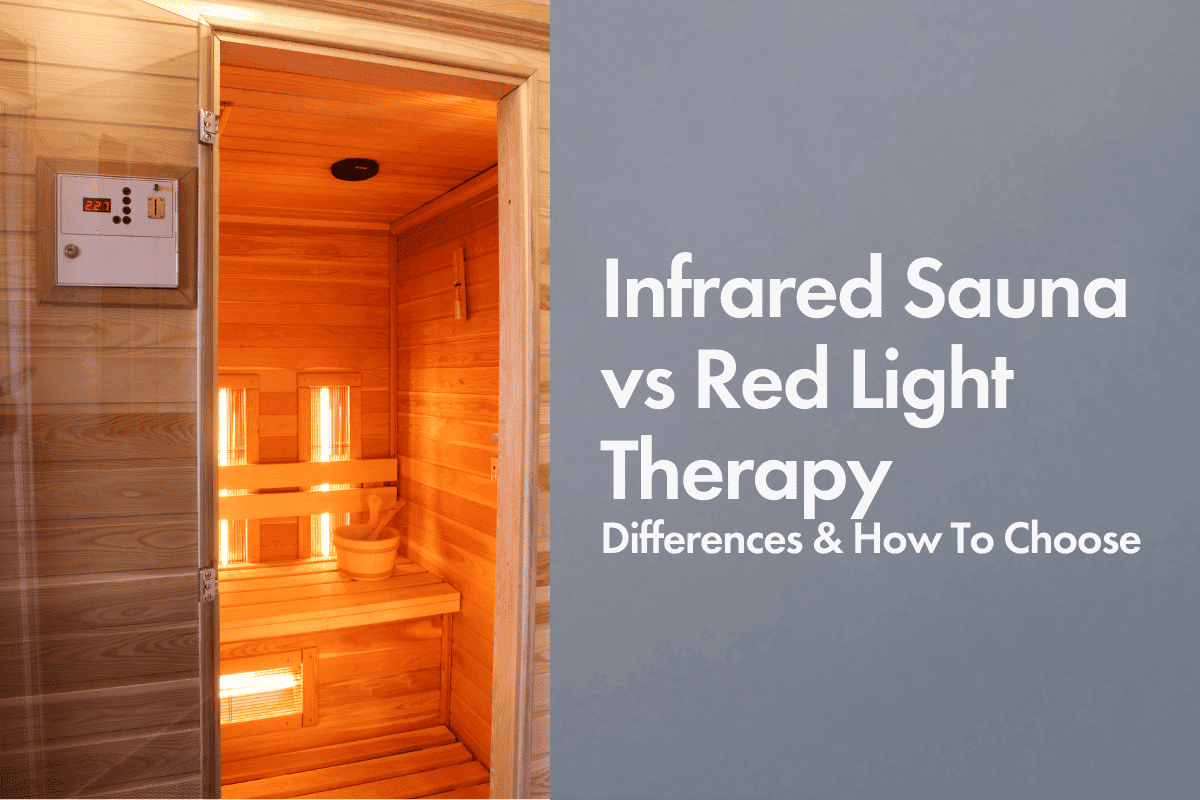

One surrounds you in deep, soothing heat. The other works silently beneath the surface. Infrared saunas make you sweat, while red light therapy works without raising your temperature at all.
Both promise big benefits, but they’re not the same. So, which one is right for you?
Whether you’re after relaxation, skin benefits, or deeper healing, knowing the difference makes all the difference.
- Infrared saunas use heat to promote sweating, relaxation, and circulation.
- Red light therapy works at a cellular level to support healing, skin health, and pain relief.
- Saunas require more space and time, while red light therapy is quicker and more portable.
- Using both together can maximize benefits, improving circulation, recovery, and skin health.
What Are Infrared Saunas?
An infrared sauna is a heat therapy treatment that uses infrared light to warm the body directly, rather than heating the air like a traditional sauna.
This allows for a deep, penetrating warmth that promotes sweating and relaxation at lower temperatures.
Unlike steam or dry saunas, infrared saunas use far-infrared wavelengths to reach deeper into tissues, providing benefits beyond simple heat exposure. Many people use them to support detoxification, ease muscle soreness, and improve circulation.
Benefits of Infrared Saunas
|
What Is Red Light Therapy?
Red light therapy is a treatment that uses specific wavelengths of red and near-infrared light to stimulate cellular function.
Unlike infrared saunas, it doesn’t generate significant heat. Instead, it works at the cellular level to promote healing, reduce inflammation, and support skin health.
Originally developed for NASA research, red light therapy is now widely used for skincare, muscle recovery, and even mood support.
Benefits of Red Light Therapy
|
Combining Both Therapies
Using infrared saunas and red light therapy together can offer complementary benefits.
Many people incorporate both into their wellness routines, using infrared saunas for detoxification and relaxation, while using red light therapy for skin health and targeted healing.
Synergistic Benefits
|
Practical Considerations
|
Differences Between Infrared Saunas and Red Light Therapy
While both treatments offer health benefits, their methods and effects are quite different:
| Feature | Infrared Sauna | Red Light Therapy |
|---|---|---|
|
How It Works |
Uses infrared heat to warm the body |
Uses red and near-infrared light to stimulate cells |
|
Heat Level |
High, promotes sweating |
Minimal to no heat |
|
Main Benefits |
Detox, circulation, relaxation |
Skin health, healing, pain relief |
|
Session Length |
20-45 minutes |
10-20 minutes |
|
Best For |
Whole-body benefits |
Targeted treatments |
|
Space Needed? |
Requires a dedicated area |
Compact and portable |
Heat Generation
Infrared saunas use heat to raise body temperature and promote sweating. Red light therapy, on the other hand, does not generate enough heat to cause noticeable warming.
Treatment Focus
Infrared saunas provide whole-body therapy, affecting circulation, relaxation, and detoxification. Red light therapy is typically used for targeted treatments, such as improving skin health, reducing pain, or accelerating healing in a specific area.
Session Experience
Infrared sauna sessions last between 20-45 minutes and involve intense sweating. Red light therapy sessions are shorter, usually 10-20 minutes, and do not involve sweating or heat discomfort.
Equipment & Space Requirements
Infrared saunas require a dedicated space and installation, which may not be practical for everyone. Red light therapy devices range from handheld tools to full-body panels, making them more portable and convenient for home use.
How to Choose Between Infrared Saunas and Red Light Therapy
Your choice depends on your health goals, budget, and lifestyle.
Here’s what to consider:
Health Goals
|
Budget Considerations
|
Space Availability
|
Time Commitment
|
Want Red Light Benefits—Without the Sauna Setup?
Our 7-color LED face mask delivers targeted skincare at home
SHOP NOW – GET $100 OFF
Frequently Asked Questions
Can infrared saunas and red light therapy help with weight loss?
Infrared saunas may promote temporary water weight loss through sweating and slightly increase calorie burn. Red light therapy has been studied for its potential to reduce fat cells, but results are still debated. Neither should replace diet and exercise.
Is red light therapy safe for people with melasma or hyperpigmentation?
Red light therapy is generally safe, but some wavelengths may stimulate melanin production in certain skin types. If you have melasma or are prone to hyperpigmentation, consult a dermatologist before use.
Can infrared saunas or red light therapy help with seasonal affective disorder?
Infrared saunas may help by promoting relaxation and increasing circulation, which can improve mood. Red light therapy doesn’t provide the same benefits as bright light therapy for SAD, but some people report improved mood with consistent use.
Do infrared saunas or red light therapy impact hormone levels?
Some studies suggest infrared saunas may support hormonal balance by reducing cortisol and increasing circulation. Red light therapy is being researched for its potential effects on thyroid health and testosterone production, but more studies are needed.
Can red light therapy help with hair growth?
Yes, red light therapy is used in some hair restoration treatments. It may stimulate hair follicles and improve circulation to the scalp, which can promote hair growth in people with thinning hair.
How often should you use an infrared sauna or red light therapy for best results?
Infrared sauna sessions are typically recommended 3-4 times a week, while red light therapy can be used daily or several times a week depending on the goal and device strength.
Conclusion
Infrared saunas and red light therapy both offer real benefits, but they work in different ways.
If you want deep heat for relaxation, detoxification, and circulation, an infrared sauna is a solid choice. If you’re more focused on skin health, targeted pain relief, or cellular healing, red light therapy may be the better fit. Some people even use both to get the best of both worlds.
If red light therapy sounds like the right fit for you, try the Lumi Visage 7-Color LED Face Mask. It’s an easy, at-home way to support your skin and recovery. Shop now!