


Melasma can feel like an uphill battle and harsh treatments often leave skin more irritated than improved.
That’s why green light therapy is turning heads—it’s gentle, non-invasive, and could be the key to calming and fading uneven pigmentation.
But does it really work?
Let’s get into the details and see if this treatment lives up to the buzz.
- Green light therapy targets melanin production to reduce melasma-related pigmentation safely.
- It’s non-invasive, pain-free, and suitable for sensitive skin with minimal side effects.
- Results take time; consistent sessions are key for noticeable improvement.
- Best outcomes occur when combined with sun protection and topical treatments.
Understanding Melasma
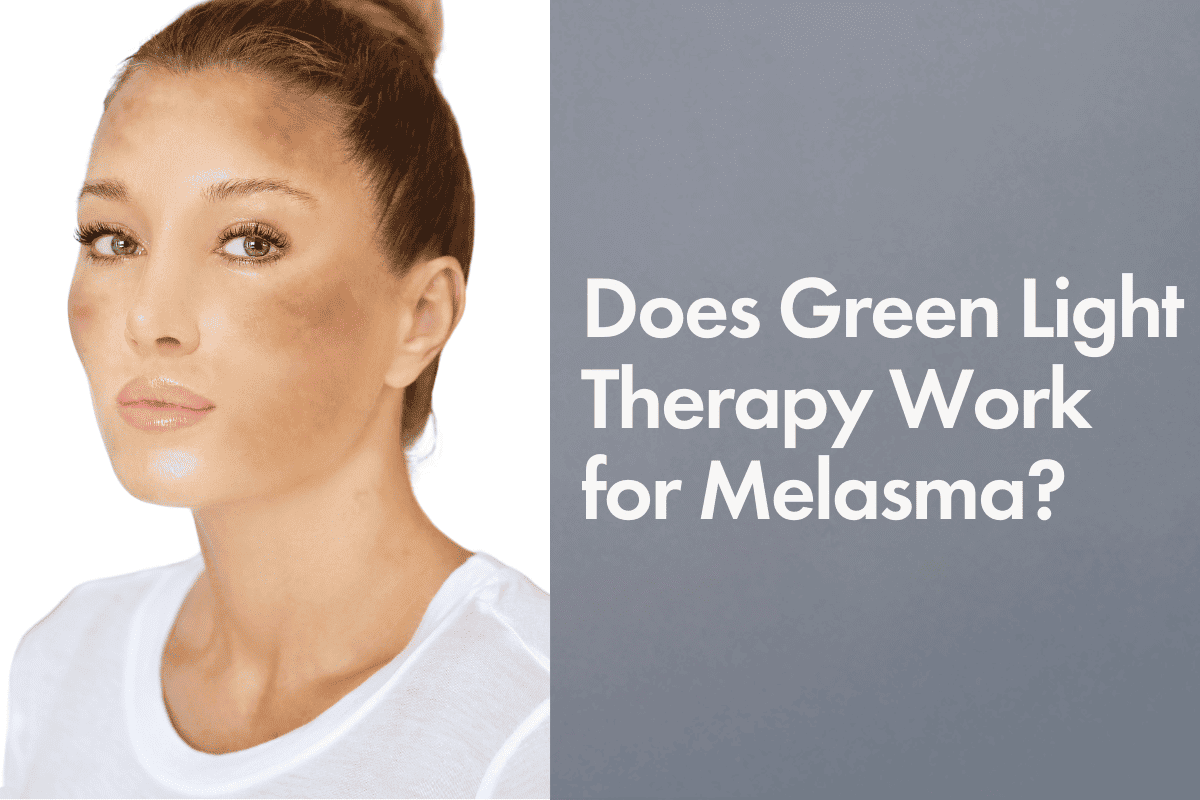
Melasma is a skin condition characterized by patches of hyperpigmentation, usually on the face.
These patches often appear on the forehead, cheeks, nose, and upper lip, giving the skin a blotchy or uneven appearance.
While melasma doesn’t cause any physical harm, it can significantly impact self-confidence.
Common Causes of Melasma
- Hormones: Pregnancy, birth control pills, and hormone replacement therapy can trigger melasma, earning it the nickname “the mask of pregnancy.”
- Sun Exposure: Ultraviolet (UV) rays are a leading cause. Sun exposure triggers the production of melanin, the pigment that causes dark spots.
- Genetics: A family history of melasma increases your chances of developing it.
- Skincare Products: Harsh skincare products can irritate the skin, worsening melasma.
Traditional treatments often include topical creams like hydroquinone, retinoids, or vitamin C, as well as more intense options like chemical peels and lasers.
However, these treatments can be harsh, leading people to search for gentler methods.
What Is Green Light Therapy?
Green light therapy is a form of phototherapy that uses specific wavelengths of green light, typically between 520-560 nanometers, to target the skin.
Unlike blue or red light, which focus on acne and inflammation, green light penetrates the surface layer to address pigmentation issues.
The concept behind green light therapy is simple: it helps regulate melanin production, which is the pigment responsible for skin color.
By calming overactive melanocytes (the cells that produce melanin), green light therapy aims to fade dark spots, creating a more even skin tone over time.
How Does It Work?
- Penetration: Green light reaches the dermis, the skin’s middle layer, where melanin is produced.
- Melanocyte Regulation: It slows down the production of excess melanin.
- Calming Effect: Green light can also reduce redness, making it beneficial for sensitive or inflamed skin.
Green light therapy is non-invasive, painless, and safe for most skin types, which makes it appealing for people looking to manage melasma without aggressive treatments.

Can Green Light Therapy Treat Melasma?
While research is still developing, early findings and anecdotal evidence suggest that green light therapy holds promise for reducing pigmentation and improving overall skin tone.
Melasma often occurs due to overactive melanocytes that produce excess melanin. Green light therapy specifically targets these cells, reducing their activity without damaging surrounding tissue.
Unlike some laser treatments that can cause post-inflammatory hyperpigmentation (PIH) in darker skin tones, green light therapy is gentler and less likely to trigger adverse effects.
Studies indicate that green light can:
- Break down excess melanin clusters, gradually lightening hyperpigmented areas.
- Improve skin tone by reducing discoloration and redness.
- Provide cumulative benefits with consistent use over time.
Although it’s not a guaranteed solution, people with melasma who incorporate green light therapy into their skincare routine often report noticeable improvement, especially when combined with sun protection and other treatments.
Advantages & Limitations of Green Light Therapy for Melasma
Advantages:
- Non-Invasive: Green light therapy doesn’t damage the skin, making it ideal for sensitive individuals.
- Safe for Most Skin Types: It’s less likely to cause irritation or PIH compared to traditional laser treatments.
- Pain-Free: Sessions are quick, comfortable, and require no downtime.
- At-Home Accessibility: Green light therapy devices are available for home use, offering a convenient alternative to in-office treatments.
Limitations:
- Results Take Time: Green light therapy is not an overnight solution. Consistency is key to seeing improvements.
- Mild to Moderate Results: While it can lighten pigmentation, it may not be as effective for severe melasma.
- Requires Combination Treatments: For best results, green light therapy is often paired with topical creams or other therapies.
How to Use Green Light Therapy for Melasma
If you’re considering green light therapy for melasma, here are some key steps to follow:
1. Consult a Dermatologist
Before starting any new treatment, speak with a skincare professional. They can help determine if green light therapy is suitable for your skin type and melasma severity.
2. Choose the Right Device
- At-Home Devices: LED face masks or handheld green light therapy devices are widely available. Look for FDA-cleared options with a wavelength between 520-560 nm.
- Professional Treatments: Dermatology clinics often offer more powerful green light therapy sessions.
3. Consistency Is Key
To see results, use green light therapy consistently.
For at-home devices, aim for:
- Frequency: 3-5 sessions per week
- Duration: 15-20 minutes per session
4. Combine with Other Treatments
Green light therapy works well when paired with other melasma treatments like:
- Topical vitamin C for brightening
- SPF 30+ to protect against UV-triggered pigmentation
- Gentle skincare routines that avoid irritation
5. Track Your Progress
Melasma can be slow to improve, so take weekly photos to monitor changes. Be patient—visible improvements may take several weeks.
Is Green Light Therapy Better Than Other Treatments?
Green light therapy is not the only light-based treatment for melasma. How does it compare to other options?
1. Blue Light Therapy
- Target: Acne and bacteria
- Effectiveness for Melasma: Minimal, as it doesn’t address pigmentation.
2. Red Light Therapy
- Target: Inflammation and collagen production
- Effectiveness for Melasma: Helps reduce skin redness but doesn’t directly target melanin.
3. Laser Treatments (e.g., IPL, Q-Switched Lasers)
- Target: Pigmentation clusters
- Effectiveness for Melasma: Highly effective but may cause irritation or worsen pigmentation in darker skin tones.
Compared to these treatments, green light therapy offers a gentler alternative for managing melasma. It may not provide dramatic, instant results like lasers, but it’s safer for ongoing use, especially for sensitive skin.
Safety & Side Effects of Green Light Therapy
One of the biggest draws of green light therapy is its safety profile. When used correctly, it’s virtually risk-free.
However, there are still a few things to keep in mind:
Potential Side Effects:
- Mild redness or irritation (rare)
- Temporary skin sensitivity after prolonged exposure
Safety Tips:
- Always follow the manufacturer’s instructions for at-home devices.
- Avoid overuse—stick to recommended treatment durations.
- Protect your eyes by using goggles during sessions.
For people with melasma, avoiding irritation is critical. Green light therapy’s gentle nature makes it a suitable option for regular use without the risk of worsening pigmentation.
Struggling With Stubborn Melasma That Won’t Fade?
Gentle, effective green light therapy can help even your skin tone.
SHOP NOW – GET $100 OFF
Frequently Asked Questions
How long does it take to see results with green light therapy?
Results can take 4-8 weeks with consistent use, depending on melasma severity.
Can green light therapy be used alongside other melasma treatments?
Yes, it pairs well with topical creams, like vitamin C or niacinamide, for enhanced results.
Is green light therapy suitable for all skin tones?
Absolutely! Green light therapy is safe and effective for all skin tones.
How often should I use green light therapy for melasma?
Ideally, 3-5 times per week for 15-20 minutes per session.
Does green light therapy have any downtime or recovery period?
No downtime is required. You can resume normal activities immediately after a session.
Conclusion
Green light therapy offers a gentle, promising approach to managing melasma. By targeting melanin production, it works to fade stubborn pigmentation without irritation or downtime.
While it requires consistency and patience, combining green light therapy with sun protection and a solid skincare routine can lead to noticeable improvements over time.
Ready to try it for yourself? The Lumi Visage 7-Color LED Face Mask brings professional-grade green light therapy right to your home. Take control of your melasma and work toward a more even, radiant complexion. Order yours today!