


Frustrated with acne treatments that do more harm than good?
We know the feeling.
If UV light seems like a tempting quick fix, it’s worth knowing the risks. It’s tempting to try anything for clearer skin, but safety and effectiveness matter.
We’ll cut through the confusion, break down whether UV light is worth the risk, and highlight better, gentler options that actually deliver results—without damaging your skin.
Key Notes
- UV light can temporarily reduce acne, but it risks long-term skin damage.
- Blue light therapy kills acne-causing bacteria without harmful side effects.
- Red light therapy reduces inflammation and helps heal acne scars.
- UV therapy increases skin cancer risk—safer alternatives exist.
What is UV Light Therapy?
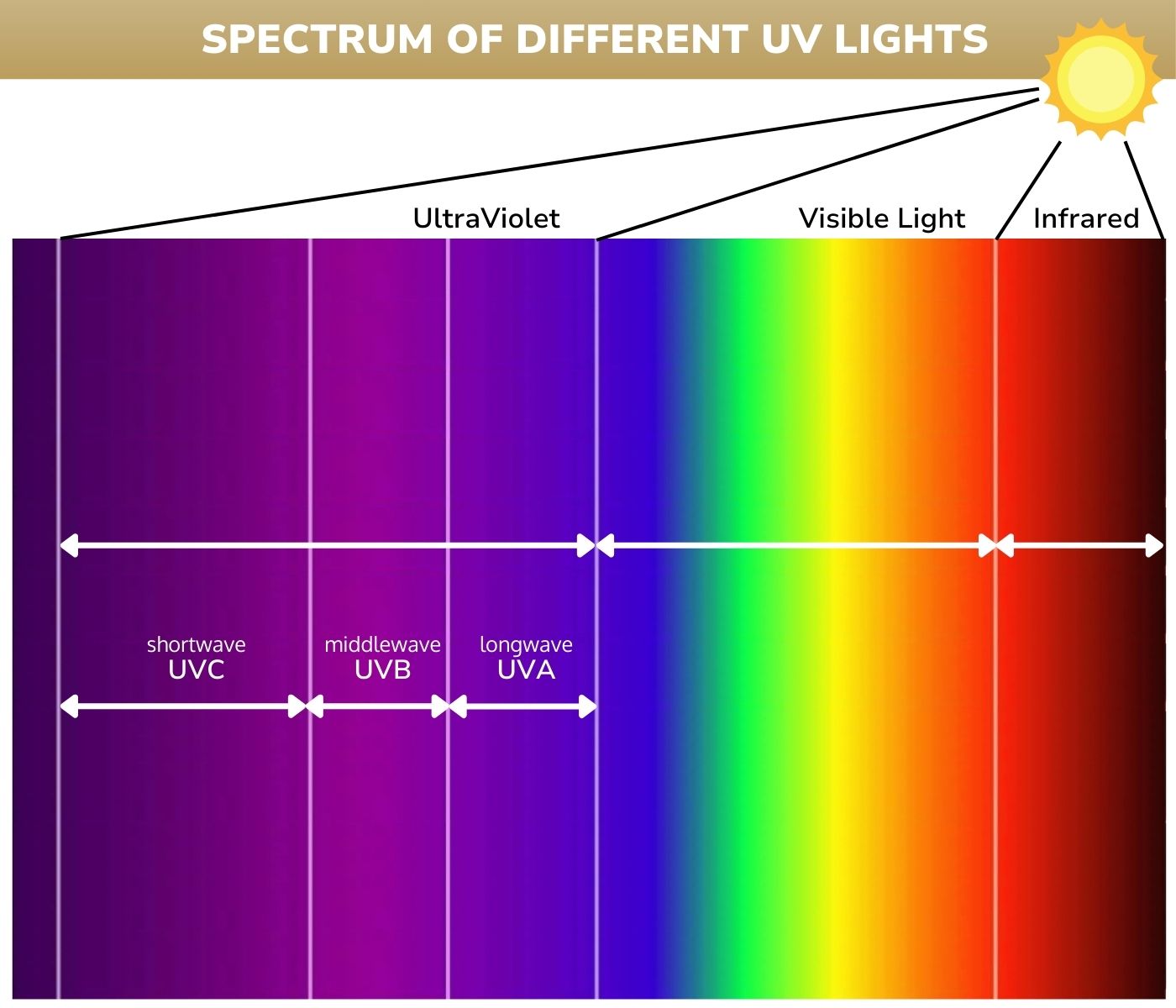
UV light therapy involves using ultraviolet radiation to treat skin conditions, including acne.
Historically, it was used because UV light can kill bacteria on the skin and dry out oil, which is often associated with breakouts. The treatment typically involves exposing the skin to UV rays in a controlled setting, such as a dermatologist’s office or even using tanning beds.
While this may sound promising, UV light’s effects on acne are only temporary.
More importantly, this method carries significant risks that outweigh the short-term benefits. Extended UV exposure is harmful to the skin, leading to premature aging, sunburns, and most concerning, an increased risk of skin cancer.
Does UV Light Actually Help with Acne?
In the short term, yes, UV light can reduce acne symptoms.
Its bacteria-killing properties may result in fewer pimples and slightly clearer skin. UV radiation also dries out the skin, which might reduce the amount of oil or sebum produced—a common factor in acne formation.
However, the improvement is often temporary and inconsistent.
The Rise of Blue & Red Light Therapy for Acne
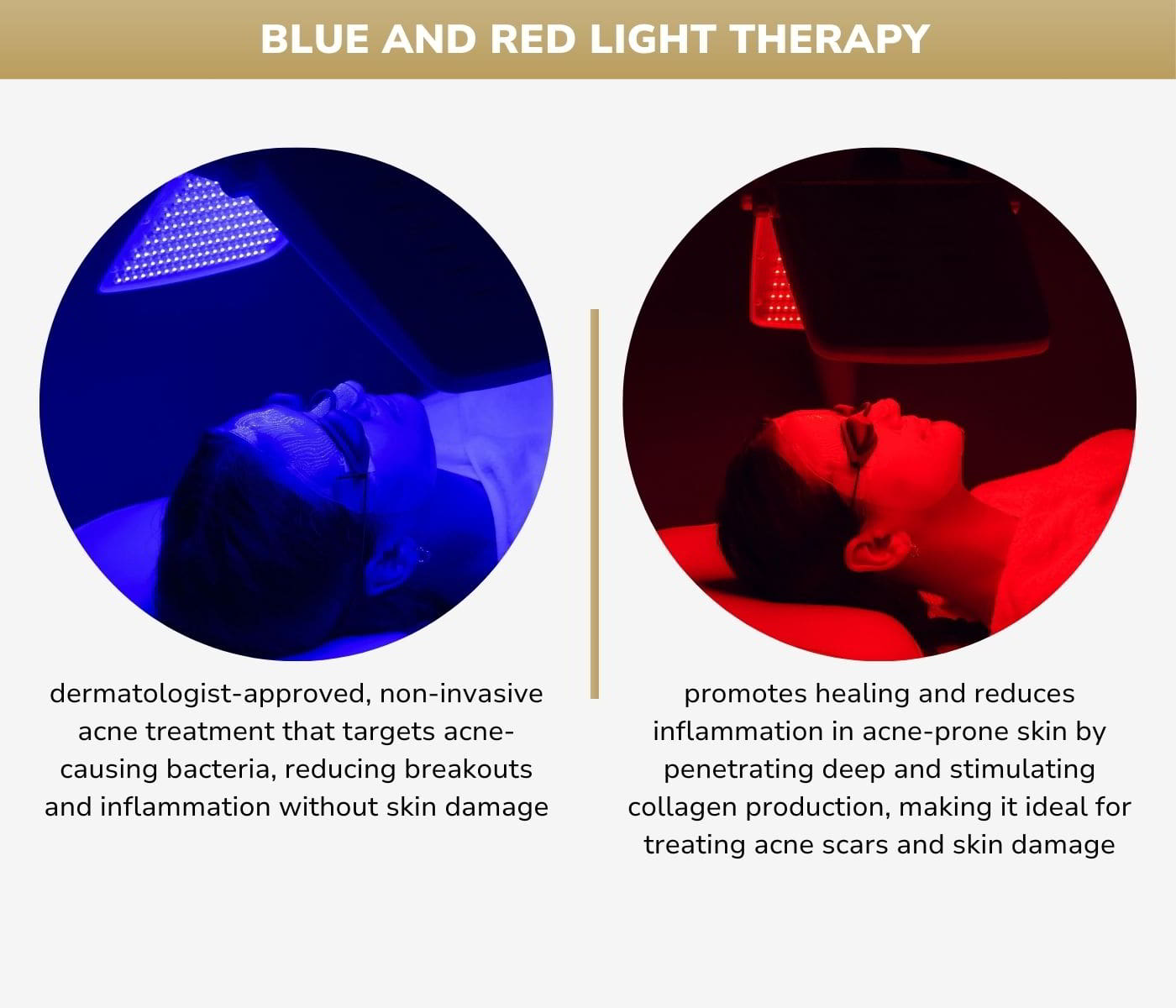
As understanding of skin health has progressed, blue and red light therapies have gained traction as safer, more effective options for acne treatment.
These light therapies target acne without the harmful side effects of UV radiation.
Let’s look at how they work:
Blue Light Therapy for Acne
Blue light therapy is a non-invasive treatment that uses specific wavelengths of light to target acne-causing bacteria, specifically Propionibacterium acnes. These bacteria thrive in clogged pores and are a primary cause of acne flare-ups.
Blue light penetrates the skin and works to destroy these bacteria, reducing breakouts.
Unlike UV light, blue light therapy does not damage the skin. In fact, it’s widely considered safe and is approved by dermatologists for treating mild to moderate acne. Many patients notice reduced inflammation and fewer new pimples after just a few sessions.
It’s also available for use at home, with devices like light masks and wands, which make it convenient for those looking for a consistent treatment option.
Red Light Therapy for Acne
Red light therapy operates differently but is equally beneficial for acne-prone skin. While it doesn’t kill bacteria like blue light, red light penetrates deeper into the skin, promoting healing and reducing inflammation.
It’s particularly useful for addressing acne scars and long-term skin damage. By stimulating collagen production, red light helps repair the skin and improve its overall texture.
Some treatments even combine blue and red light for a more comprehensive approach. The blue light kills acne-causing bacteria, while the red light reduces the inflammation and promotes faster healing.
This combination is considered one of the most effective light-based acne treatments available today.
Ready For Safe Light Therapy To Finally Clear Your Skin?
Discover the non-invasive benefits of red and blue light therapy.

UV Light vs Blue & Red Light Therapy
When comparing UV light to blue and red light therapies, the contrast is stark.
UV light might offer quick fixes, but the long-term risks are simply not worth it. On the other hand, blue and red light therapies are both safer and more sustainable for long-term acne management.
| Feature | UV Light | LED Light (Blue/Red) |
|---|---|---|
| Mechanism | Uses ultraviolet radiation to dry out skin and kill bacteria. | Blue light kills bacteria; red light reduces inflammation and promotes healing. |
| Effectiveness | Temporary acne reduction but inconsistent results. | Proven to treat mild to moderate acne consistently. |
| Risks | High risk of skin cancer, premature aging, and DNA damage. | Minimal side effects, such as mild redness or irritation. |
| Safety | Not recommended due to long-term skin damage. | FDA-approved, safe for regular use. |
| Usage | Mainly clinical settings or tanning beds. | Available both in clinics and as at-home devices. |
| Long-term Results | Can worsen skin over time due to UV exposure. | Supports healing and long-term skin health. |
| Best For | No longer recommended for acne treatment. | Mild to moderate acne; reducing inflammation and scars. |
Safety Considerations
The most concerning aspect of UV light therapy is its potential to cause lasting harm.
UV rays damage the skin’s DNA, which can lead to mutations and, eventually, skin cancer. People who regularly expose their skin to UV light—whether through therapy or tanning beds—are at higher risk of developing conditions like melanoma and basal cell carcinoma.
In contrast, blue and red light therapies are non-invasive and don’t carry the same risks. They are FDA-approved for acne treatment and can be used safely over extended periods. Side effects are generally minimal, with occasional mild redness or irritation reported after sessions.
This makes them far more suitable for people looking to manage their acne long-term without the fear of permanent damage.
At-Home Light Therapy Devices: A Convenient Alternative
One of the most appealing aspects of blue and red light therapies is their accessibility.
While professional treatments are available in dermatologists’ offices, there are also many at-home devices that make light therapy more convenient and affordable.
Types of At-Home Light Therapy Devices
LED Masks
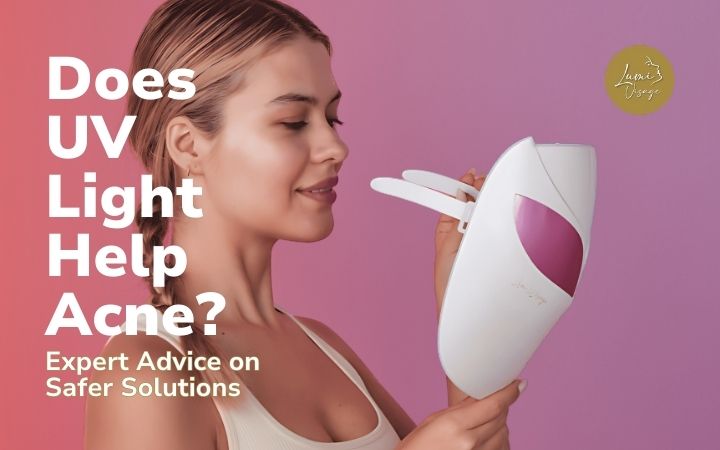
These masks emit either blue, red, or a combination of both lights. They’re worn over the face and can treat large areas at once, making them ideal for consistent, full-face treatments.
Light Therapy Wands
These handheld devices allow for targeted treatment of specific areas. They’re great for treating individual breakouts as they occur.
Light Therapy Pens
Similar to wands, pens are designed for spot treatments, focusing on individual pimples rather than the whole face.
Light Therapy Panels
These larger devices are used for more comprehensive treatments and typically come with adjustable settings for blue, red, or combination therapies.
What Do Experts Recommend?
Most dermatologists agree that UV light is no longer a recommended option for treating acne. The risks of skin damage and cancer far outweigh the temporary benefits it might offer.
If you’re considering light-based therapies, blue and red light treatments are the way to go.
That said, light therapy may not be suitable for everyone. Certain individuals—such as those with very sensitive skin, migraines, or photosensitivity issues—should avoid light therapies altogether.
If you’re taking medications like isotretinoin or have an existing skin condition, always consult a dermatologist before starting any new treatment.
Frequently Asked Questions
Can light therapy be combined with other acne treatments?
Yes, light therapy can often be used alongside topical treatments like benzoyl peroxide or retinoids for enhanced results. However, it’s best to consult a dermatologist to avoid any adverse interactions.
How long does it take to see results from light therapy?
Results vary, but many users report noticeable improvements after 4–6 weeks of consistent use. However, individual skin types and acne severity can affect the timeline.
Can light therapy prevent future acne breakouts?
While light therapy can kill bacteria and reduce inflammation, consistent use is typically needed to prevent future breakouts. It’s not a permanent fix but can be part of a long-term acne management routine.
Are there any contraindications for using light therapy?
Light therapy is generally safe, but it should be avoided if you are pregnant, taking medications like Accutane, or have certain photosensitive conditions. Always check with a healthcare professional first.
Conclusion
While UV light can offer some short-term relief for acne, its long-term risks, including skin damage and increased cancer risk, make it a poor choice.
Safer alternatives, like blue and red light therapies, provide effective acne treatment without the harmful side effects.
Whether you’re looking to reduce breakouts or heal scars, these modern options offer a gentler, more reliable solution.
Ready to explore safe, proven treatments for clear skin? Get your Lumi Visage 7-Color LED Face Mask and get that glow that you’ve been craving.