

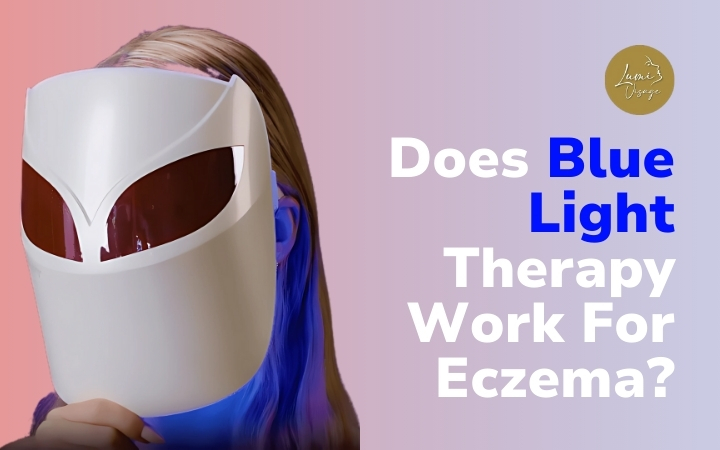

Eczema is a quiet storm, isn’t it? It flares up, fades down, then returns without warning—always uncomfortable, often relentless.
Blue light therapy has emerged as a possible calm within that storm.
But does it really work?
Let’s look at what blue light can truly offer to those living with eczema’s daily challenges.
- Blue light therapy reduces inflammation and bacteria, but results vary for eczema relief.
- It’s gentler than UV light, with fewer risks and suitable for mild eczema cases.
- Some patients report reduced itching and redness, but severe eczema may need stronger treatments.
- Side effects are minimal, mostly temporary skin sensitivity or mild irritation.
How Blue Light Therapy Works
Light therapy, or phototherapy, uses specific light wavelengths to treat various skin conditions and has been a trusted tool in dermatology for years.
For eczema, traditional options like UV light—especially narrowband UVB and UVA—are often used to target inflammation and reduce flare-ups.
Blue light therapy, however, is different. It uses a gentler, visible light around 415 nanometers, known for its antibacterial and anti-inflammatory effects on the skin.
Unlike UV light, which penetrates the deeper layers of the skin, blue light primarily affects the surface. When blue light reaches the skin, it interacts with molecules and creates a reaction that helps to reduce inflammation.
Blue light can also reduce harmful skin bacteria like Staphylococcus aureus, which often worsens eczema symptoms, making it a promising treatment option for eczema patients prone to skin infections.
Does Blue Light Therapy Work for Eczema?
Blue light therapy shows encouraging potential for managing eczema symptoms. Research indicates it can reduce inflammation, itching, redness, and irritation in some individuals, particularly those with mild to moderate eczema.
Many patients have reported noticeable relief after just a few sessions, highlighting its anti-inflammatory benefits.
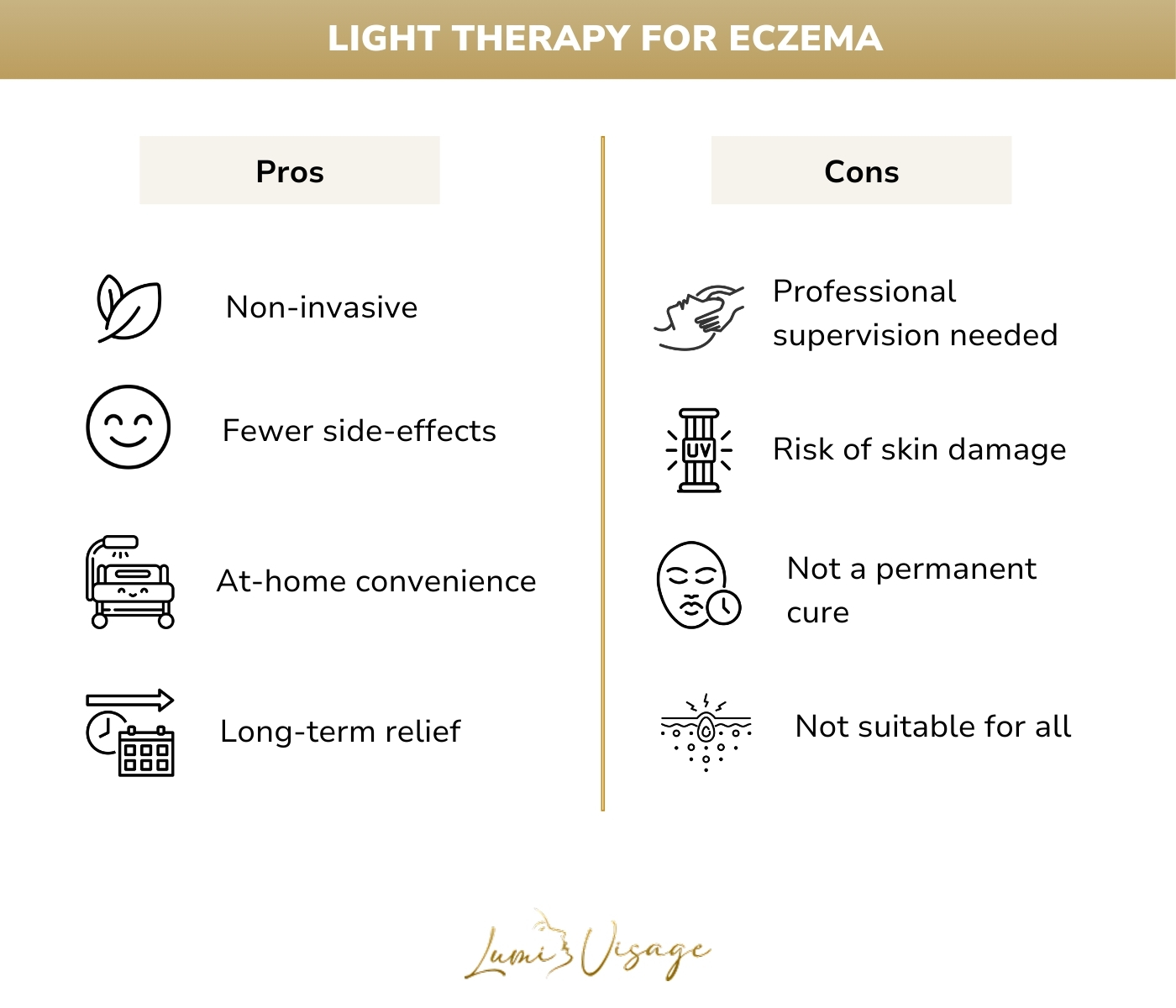
Unlike UV therapy, blue light does not carry risks like premature aging or increased skin cancer risk, making it a safer option for those seeking alternative treatments.
While results may vary due to eczema’s complex causes, blue light therapy is a promising, non-invasive approach worth considering for symptom relief.

Benefits of Blue Light Therapy for Eczema Patients
Non-Invasive Treatment Option
One of the biggest benefits of blue light therapy for eczema patients is its non-invasive nature.
Unlike some treatments that involve topical steroids or immunosuppressant drugs, blue light therapy doesn’t rely on chemicals or medications that can thin the skin or cause long-term side effects.
Many people with eczema are sensitive to certain topical treatments, so having a drug-free option is appealing.
Lower Risk Profile
Another advantage is the reduced risk associated with blue light compared to UV-based treatments.
While UV light therapies can be highly effective, they require careful management and limit the duration and frequency of use due to potential risks.
Blue light therapy, on the other hand, can often be done more frequently and with fewer long-term concerns, making it a potentially safer option for people who want consistent symptom relief.
Fed Up With Constant Eczema Flare-Ups And Irritation?
Target inflammation and bacteria for smoother, calmer skin—effortlessly.
SHOP NOW – GET $100 OFF
Risks and Side Effects of Blue Light Therapy
Although blue light therapy is generally safe, it’s not without potential side effects.
For some, the treatment may cause mild skin irritation, dryness, or redness, especially when starting out.
It’s also possible to experience temporary light sensitivity, where the treated areas may feel more sensitive to sunlight or other light sources immediately after therapy.
Alternative Light Therapies for Eczema
For those dealing with moderate to severe eczema or those who do not respond well to blue light therapy, there are other phototherapy options to consider:
Red Light Therapy
Red light therapy is gaining recognition for its ability to soothe eczema symptoms by reducing inflammation and promoting skin healing. This non-invasive treatment uses specific wavelengths of red and near-infrared light to penetrate the skin, calming irritation and supporting the repair of the skin barrier.
It’s particularly beneficial for those with mild to moderate eczema who want a gentle and safe option without the risks associated with UV exposure.
Narrowband UVB Therapy
This is the most common light therapy for eczema and is often considered the “gold standard” in phototherapy. It works by slowing the growth of affected skin cells, reducing inflammation, and helping manage symptoms over time.
PUVA Therapy
This therapy combines UVA light with a drug called psoralen to enhance the light’s effects.
PUVA is usually reserved for severe cases, as it involves more intensive treatment protocols and is associated with some long-term risks.
Excimer Laser Therapy
This more targeted form of UV therapy delivers a high-intensity UVB beam directly to affected areas. It’s useful for people with localized patches of eczema, allowing treatment of specific spots without exposing surrounding skin.
Frequently Asked Questions
How often should I undergo blue light therapy for eczema?
The frequency of blue light therapy can vary depending on your skin’s response and the severity of your eczema. For mild to moderate eczema, treatments are typically done several times a week, with some patients seeing results after a few weeks.
However, it’s essential to follow the guidance of your dermatologist to avoid overuse and to ensure the best outcome.
Can blue light therapy be combined with other eczema treatments?
Yes, blue light therapy can be used alongside other eczema treatments, such as topical creams or moisturizers. In fact, it might enhance the effectiveness of your skincare routine, especially when combined with consistent hydration and avoiding common eczema triggers.
Can blue light therapy help with eczema flare-ups caused by stress?
While blue light therapy can help reduce inflammation and bacteria, it does not directly target the underlying causes of stress-related flare-ups. However, regular use may help soothe the skin and provide some relief from symptoms triggered by stress, such as itching and irritation.
What is the difference between blue light therapy and red light therapy for eczema?
Blue light therapy primarily targets bacteria and inflammation, making it effective for mild eczema symptoms. In contrast, red light therapy penetrates deeper into the skin and may help with tissue repair and promoting healing. Depending on your eczema’s severity, one may be more suitable than the other, and your dermatologist can help guide you.
Conclusion
Blue light therapy offers a gentle, non-invasive option for managing eczema, especially for those looking to avoid medication or UV exposure.
By targeting inflammation and reducing harmful bacteria, it can provide relief for mild to moderate eczema symptoms.Take control of your skin today! The Lumi Visage 7-Color LED Face Mask is your at-home solution for managing eczema. Easy to use, effective, and designed to deliver real results—start your journey to clearer, calmer skin now.