


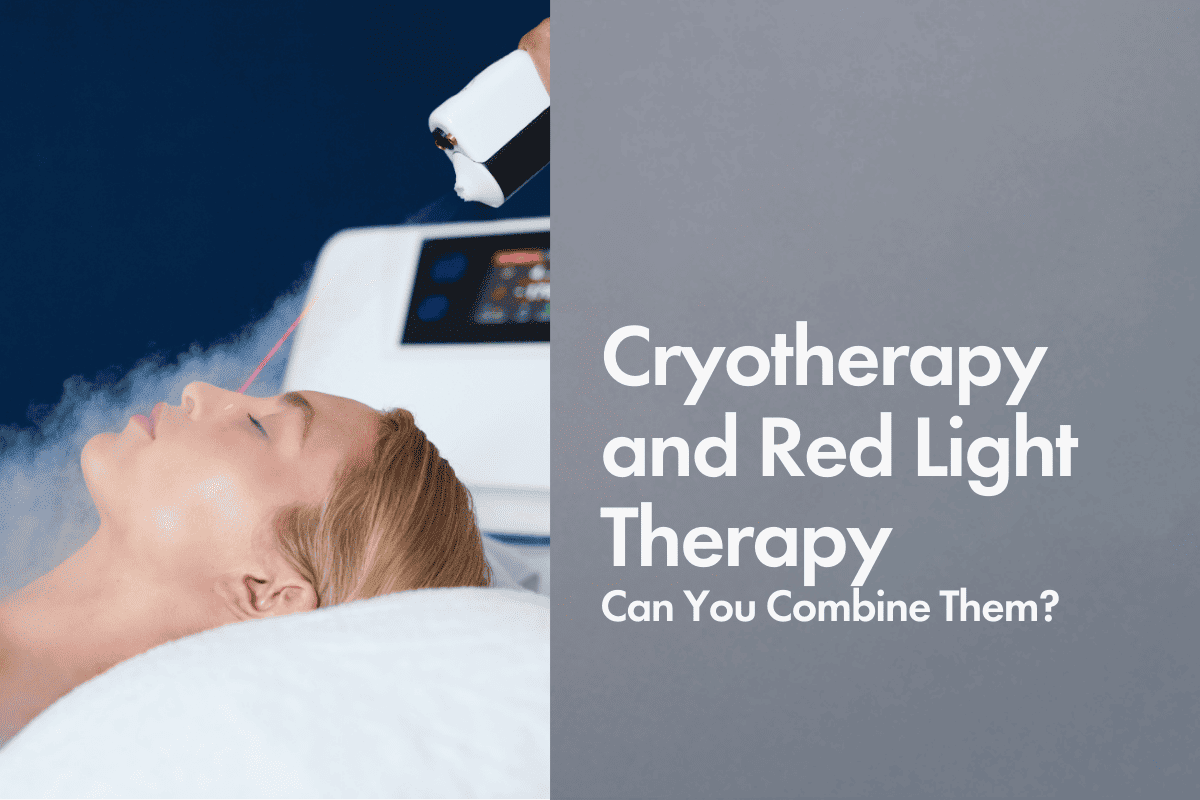

Cryotherapy shocks your system with freezing temps. Red light therapy warms your cells from the inside out. One numbs pain and reduces inflammation, the other kickstarts healing and collagen production.
Total opposites—but what if that’s exactly why they work so well together? Some say pairing them speeds up recovery, improves skin, and boosts energy.
Here’s what happens when fire meets ice—and whether it’s worth trying for yourself.
- Cryotherapy reduces inflammation, eases pain, and boosts circulation through extreme cold exposure.
- Red light therapy stimulates cellular repair, supports skin health, and helps with muscle recovery.
- Using red light therapy before cryotherapy may improve results and speed up recovery.
- Both therapies can enhance mood, energy levels, and overall well-being when used correctly.
What Is Cryotherapy
Cryotherapy is a cold therapy treatment that involves exposing the body to extremely low temperatures for a short period. This can be done through whole-body cryotherapy chambers, localized treatments, or ice baths. The goal is to reduce inflammation, ease pain, and promote faster recovery.
The process typically lasts between two to three minutes in a cryotherapy chamber, where temperatures drop as low as -200°F. The body responds by constricting blood vessels and redirecting blood to the core to protect vital organs.
Once you step out, circulation increases again, bringing oxygen-rich blood back to the muscles and tissues.
What Is Red Light Therapy?
Red light therapy uses specific wavelengths of red and near-infrared light to penetrate the skin and reach deep into the body’s tissues.
Unlike cryotherapy, which triggers a rapid cold response, red light therapy works at a cellular level to support healing, reduce inflammation, and improve skin health.
Red light therapy sessions typically last 10 to 20 minutes and are completely non-invasive. The treatment is commonly used for skin rejuvenation, muscle recovery, and pain relief.
Cryotherapy vs Red Light Therapy: How They Work
| Feature | Cryotherapy | Red Light Therapy |
|---|---|---|
|
How It Works |
Uses extreme cold to reduce inflammation |
Uses red and near-infrared light to stimulate healing |
|
Main Benefit |
Reduces swelling and numbs pain |
Supports cellular repair and recovery |
|
Heat Level |
Very cold (-200°F) |
No heat, gentle warmth at most |
|
Treatment Time |
2-3 minutes |
10-20 minutes |
|
Best For |
Pain relief, reducing inflammation |
Skin health, muscle recovery |
Combining Cryotherapy and Red Light Therapy
Both therapies offer impressive benefits on their own, but what happens when you use them together?
Some believe they complement each other, creating a recovery routine that balances extreme cold with targeted light therapy.
Here are the benefits of using them together:
Faster Recovery
Cryotherapy reduces inflammation immediately, while red light therapy helps repair damaged cells and tissues. Together, they can shorten recovery time after intense physical activity.
Balanced Circulation Response
Cryotherapy constricts blood vessels, reducing swelling and inflammation. Red light therapy, on the other hand, promotes circulation and cellular function. Used together, they create a cycle of controlled constriction and restoration, supporting overall healing.
Improved Skin & Tissue Repair
Cryotherapy can help reduce redness and puffiness, while red light therapy stimulates collagen production and cellular repair. This combination is useful for skin health and injury recovery.
Enhanced Mood & Energy
Both therapies have been linked to endorphin release, better sleep, and improved mental clarity. If you’re looking for a natural way to support overall well-being, combining these treatments may help.
How to Incorporate Both Therapies
If you want to use cryotherapy and red light therapy together, timing matters. Here’s how to structure your routine for maximum benefit:
Which Should You Do First?
Experts typically recommend red light therapy before cryotherapy. Here’s why:
- Prepping with Red Light Therapy: Red light therapy helps activate mitochondrial function and cellular energy, which may help the body respond better to cold exposure.
- Cryotherapy for Recovery: Following up with cryotherapy constricts blood vessels, reduces inflammation, and seals in the benefits of the red light therapy session.
Suggested Routine
- Begin with 10-20 minutes of red light therapy on targeted areas or full-body exposure.
- Wait 5-10 minutes to allow your body to process the effects.
- Enter a cryotherapy chamber or use a localized cold treatment for 2-3 minutes.
- After the session, rehydrate and allow your body to return to normal temperature naturally.
Safety Considerations
While both therapies are considered safe, they aren’t for everyone. Here are a few things to keep in mind:
Who Should Avoid Cryotherapy?
- Individuals with severe hypertension or heart conditions
- Those with Raynaud’s disease or extreme cold sensitivity
- Pregnant individuals (consult with a doctor before use)
Who Should Be Cautious with Red Light Therapy?
- People with light sensitivity or certain skin conditions
- Those taking medications that increase photosensitivity
- Anyone with a history of skin cancer (consult with a dermatologist)
If you’re unsure whether these treatments are right for you, speak with a medical professional before starting.
Looking To Elevate Your Recovery & Glow?
Our 7-Color LED Face Mask soothes, rejuvenates & brightens
SHOP NOW – GET $100 OFF
Frequently Asked Questions
Can cryotherapy and red light therapy help with weight loss?
Cryotherapy may slightly boost metabolism as the body works to warm itself, while red light therapy has been studied for its potential to reduce fat cells. However, neither is a replacement for diet and exercise.
How long should I wait between red light therapy and cryotherapy?
If using both in one session, waiting 5-10 minutes between treatments allows the body to adjust. If using them on separate days, there’s no strict timing rule.
Can combining cryotherapy and red light therapy improve athletic performance?
Potentially. Cryotherapy helps reduce muscle fatigue and soreness, while red light therapy supports tissue repair, making recovery between workouts more efficient.
Do these treatments impact the immune system?
Yes. Cryotherapy may stimulate white blood cell production and reduce inflammation, while red light therapy supports cellular repair, which could help the body recover more efficiently.
Can red light therapy help with frostbite or skin irritation from cryotherapy?
Red light therapy has been studied for its ability to speed up wound healing, so it may help if cryotherapy causes minor skin irritation. However, it should not be used on severe frostbite.
Is there an ideal time of day to use cryotherapy or red light therapy?
Cryotherapy is often used in the morning for an energy boost, while red light therapy can be used anytime, though some prefer it before bed for relaxation.
Conclusion
Cryotherapy and red light therapy might seem like opposites, but together, they can create a well-rounded recovery routine.
Cryotherapy cools the body to reduce inflammation and numb pain, while red light therapy stimulates cellular repair and supports long-term healing. Used in the right order, they complement each other, helping with muscle recovery, skin health, and overall wellness.
If you’re ready to experience the benefits of red light therapy, try our 7-Color LED Face Mask. It’s an easy, at-home way to support your skin, recovery, and overall well-being. Shop now and see the difference for yourself.