


Battling stubborn pimples can be frustrating, especially when traditional creams don’t deliver fast relief.
If you’re eyeing light therapy to target specific spots, you’re likely curious about whether it really lives up to the promise of precise, effective treatment.
Let’s break down the science behind light therapy for spot treatment and see if it’s the right solution for those pesky breakouts.
Key Notes
- Blue light targets and kills acne-causing bacteria, preventing future breakouts.
- Red light speeds up healing and minimizes inflammation, perfect for reducing acne scars.
- Spot treatment devices are great for targeting individual pimples efficiently.
- At-home devices require consistency, often 6-12 weeks, for visible results.
How Light Therapy Works to Treat Acne Spots
It’s all about using specific wavelengths to generate a therapeutic effect at a cellular level.
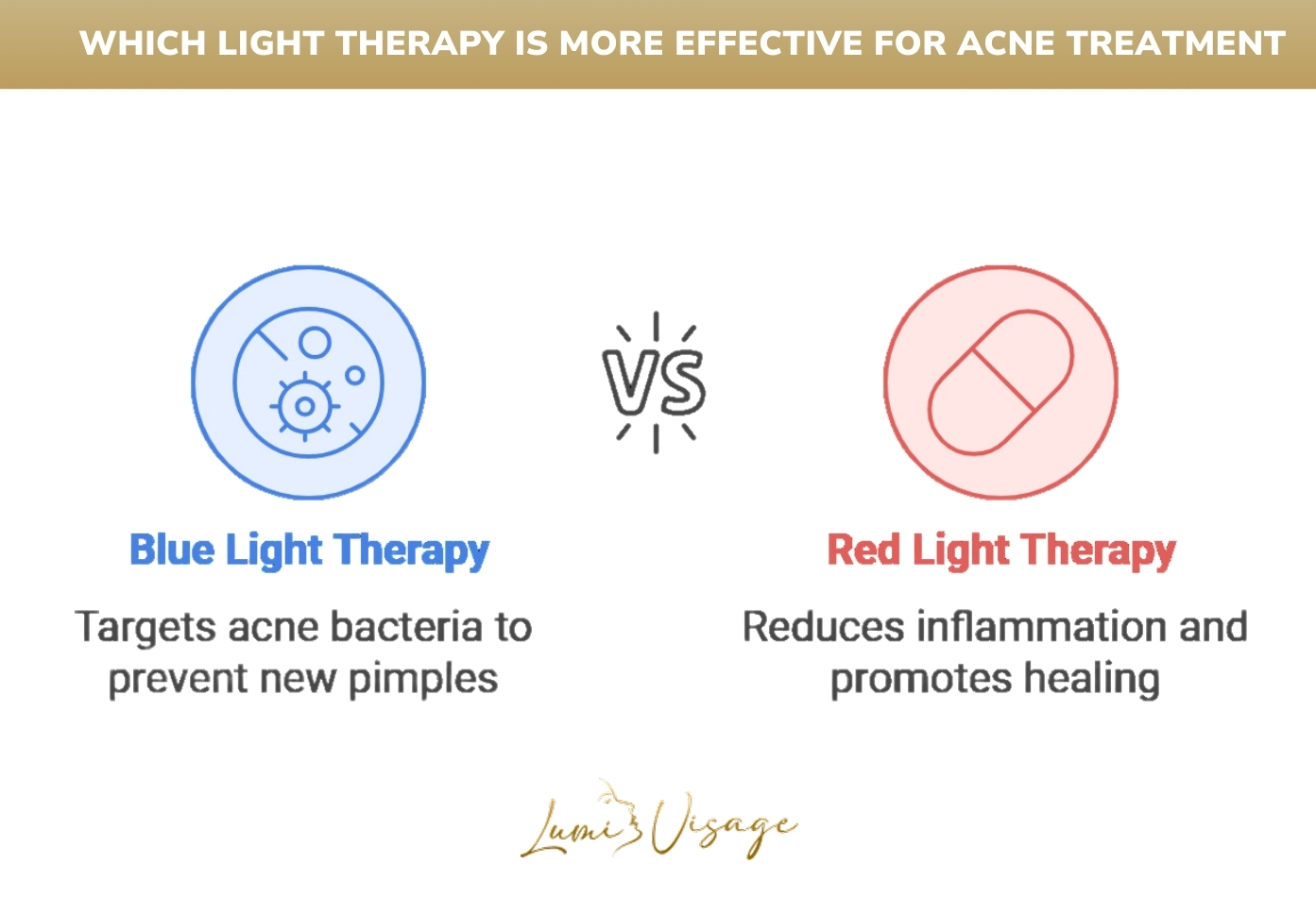
When blue light is absorbed by acne bacteria, it triggers a chemical reaction that destroys the bacteria. This reduces the chance of new pimples forming. It’s like cutting off the supply line in a battle.
Red light therapy, on the other hand, dives deeper to calm the inflammation that makes acne red and painful. It also promotes circulation and collagen production, which speeds up the skin’s natural repair process. That means quicker healing for active breakouts and a reduced risk of scarring.
However, there are limitations. Light therapy isn’t a magic cure-all for every type of acne. It works best for inflammatory acne—those red, swollen pimples and pustules. It’s not as effective for non-inflammatory acne, like blackheads and whiteheads, which are caused by clogged pores rather than bacteria.
Benefits of Light Therapy for Spot Treatment
The appeal of light therapy acne spot treatment lies in its targeted, non-invasive nature.
Here’s why many people consider it a game-changer:
Precise Application
Devices like light pens are designed for spot treatment, allowing you to target individual pimples without affecting the surrounding skin.
This makes it especially useful if you have a few stubborn spots rather than widespread breakouts.
Non-Irritating
Unlike some topical treatments, light therapy is generally gentle on the skin. It’s a good option for people who find traditional acne products, like benzoyl peroxide or salicylic acid, too harsh.
Healing and Prevention
While blue light kills acne bacteria, red light speeds up healing and can minimize the risk of scars. This two-in-one effect is particularly useful if you want to shorten the lifespan of a breakout and reduce residual marks.
Fed Up With Stubborn Breakouts & Lingering Scars?
ight therapy targets acne at the source and calms inflammation.

Types of Light Therapy Devices
If you’re thinking about trying light therapy, you have several options. At-home devices vary in shape, size, and price, but they all aim to deliver targeted treatment.
- Light Pens: These are small, portable devices perfect for spot-treating individual pimples. They’re easy to use but may not be practical for treating larger areas.
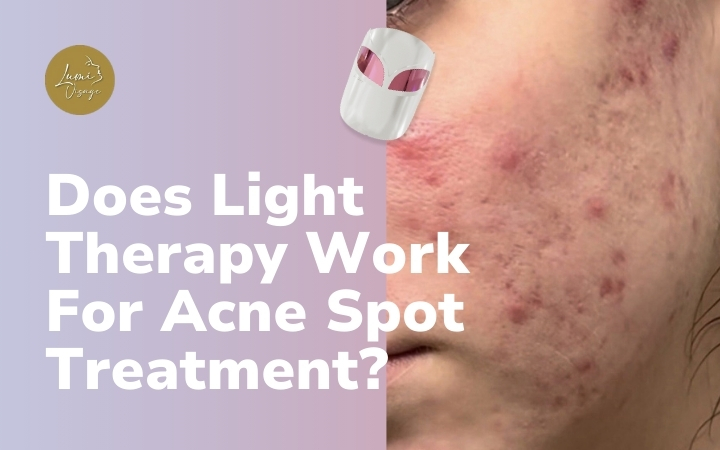
- Light Masks: Full-face masks are a popular choice for those dealing with frequent or widespread acne. They cover the entire face and are ideal if you want an even, all-over treatment.
- Light Panels: The most expensive option, panels deliver consistent light across larger areas and are often adjustable to fit your needs. These are great for people who want a hands-free experience, but they do come at a cost.
Each type has its pros and cons.
For example, light pens are affordable and convenient but can be time-consuming if you have multiple spots. Masks provide full-face coverage but may require a higher time commitment.
What to Expect from Light Therapy
Patience is a virtue when it comes to light therapy. While some users report seeing improvements in as little as a few sessions, most need 6-12 weeks of consistent use.
Results can vary based on the severity of your acne, your skin type, and other skincare practices.
How Long Until You See Results?
For mild to moderate acne, you might notice clearer skin after several weeks.
However, deep, cystic acne may take longer and often requires a combination of treatments.
Limitations
Light therapy doesn’t treat all types of acne. Blackheads and non-inflammatory blemishes won’t respond as well, and acne scars may require separate treatments, like laser therapy or chemical peels.
Potential Side Effects and Safety Precautions
One of the reasons light therapy is so popular is its safety profile. But that doesn’t mean it’s completely risk-free.
Here are some things to watch out for:
- Mild Irritation: Some users experience redness, dryness, or slight peeling. These side effects are generally mild and temporary.
- Eye Safety: Always wear protective goggles when using light therapy devices. The light can be damaging if it comes into direct contact with your eyes.
- Who Should Avoid It: Light therapy isn’t suitable for everyone. People who are sensitive to light, pregnant, or taking medication that causes photosensitivity should steer clear. If you’re unsure, consult a dermatologist before starting treatment.
Frequently Asked Questions
Can I use light therapy if I have sensitive skin?
Yes, LED light therapy is generally gentle and suitable for sensitive skin. However, always start with shorter sessions and monitor your skin’s reaction. Consulting a dermatologist is a good precaution.
Is light therapy safe to use alongside other acne treatments?
Light therapy can be safely combined with most topical treatments, like retinoids or salicylic acid. However, avoid using it if you’re taking medications that cause photosensitivity, such as certain antibiotics or isotretinoin.
Does light therapy work for body acne, like on the back or chest?
Yes, light therapy can be effective for body acne. Full-sized panels or handheld devices can be used on larger areas like the back or chest. Just ensure proper coverage and follow the device’s guidelines.
Can light therapy improve overall skin health beyond treating acne?
Red light therapy can also boost collagen production, which helps with skin firmness and reduces fine lines. It’s often used to enhance skin tone and promote a youthful appearance.
Conclusion
So, does light therapy acne spot treatment work? For many, the answer is yes—especially for inflammatory acne.
It’s a safe, non-irritating alternative to harsh topicals, with the added bonus of helping prevent scars.
The key is consistency and realistic expectations. Light therapy won’t solve all your skin issues overnight, but with regular use, it can significantly improve your complexion.
Ready to give it a try? Investing in an LED device like the Lumi Visage face mask could be a game-changer for your skincare routine, offering an effective, at-home solution for clearer, glowing skin.