

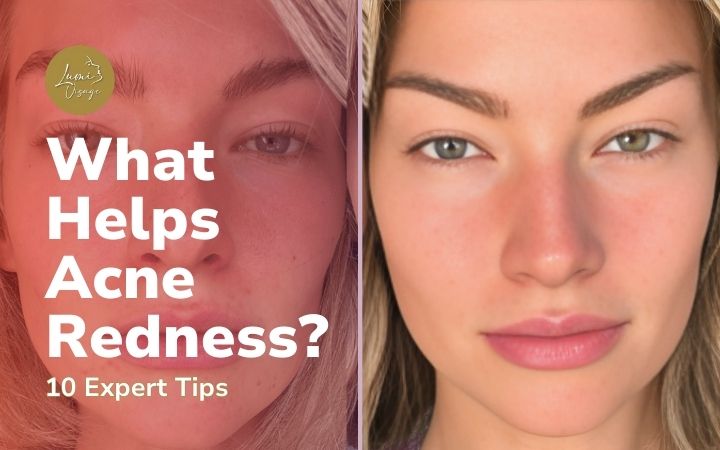

Acne redness can hang around long after the breakout fades, dulling your glow and confidence.
Looking for fast and effective results?
Red light therapy is the go-to for calming irritation, reducing inflammation and restoring your skin’s natural glow.
Here’s how it works, along with 9 other expert tips to get clearer, calmer skin.
Key Notes
- Niacinamide and ice compresses quickly calm acne redness and reduce inflammation.
- Aloe vera and green tea offer natural anti-inflammatory relief for sensitive, irritated skin.
- Cold and warm compresses used alternately reduce swelling and help heal deep cystic acne.
- Sun exposure worsens redness—daily SPF is crucial for preventing flare-ups.
1. Red Light Therapy
One of the most powerful tools for calming acne redness is red light therapy.
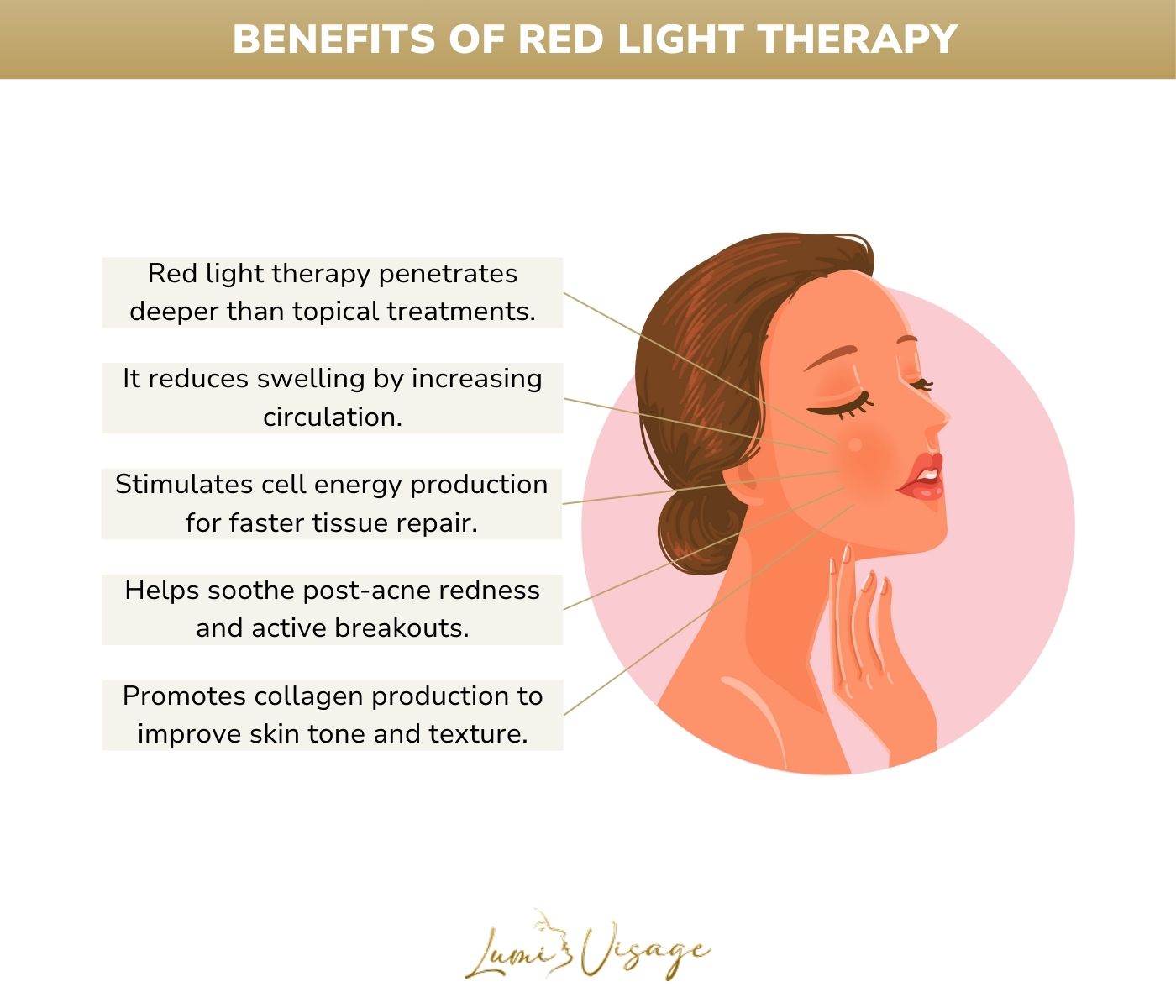
Unlike topical treatments that work only on the surface, red light therapy penetrates deep into the skin, reaching the layers where inflammation begins.
This type of light helps reduce swelling by increasing circulation and encouraging your skin to heal itself faster. It works by stimulating your cells to produce more energy, allowing them to repair damaged tissue and calm irritation.
Whether you’re dealing with post-acne redness or active breakouts, red light therapy soothes inflammation while promoting collagen production, which can help smooth out uneven skin tone over time.
If you’re tired of using creams and treatments that only work temporarily, red light therapy offers a gentle but highly effective solution to restore your skin’s natural balance.
2. Use Ice Compresses
One of the quickest ways to reduce acne redness is by applying a cold compress. The cold helps constrict blood vessels, which in turn reduces swelling and the red appearance of the skin.
This method works best when used shortly after a breakout or when your skin feels particularly inflamed.
To apply an ice compress, wrap a few ice cubes in a clean cloth and gently press it against the affected area for about 10 minutes.
This can help calm the redness and may also reduce pain associated with inflamed pimples.
3. Apply Niacinamide Serum
Niacinamide, also known as Vitamin B3, is a well-loved skincare ingredient for good reason.
It has anti-inflammatory properties that not only reduce acne redness but also improve the skin’s overall barrier function.
This makes it particularly effective for those struggling with both active acne and post-inflammatory redness.
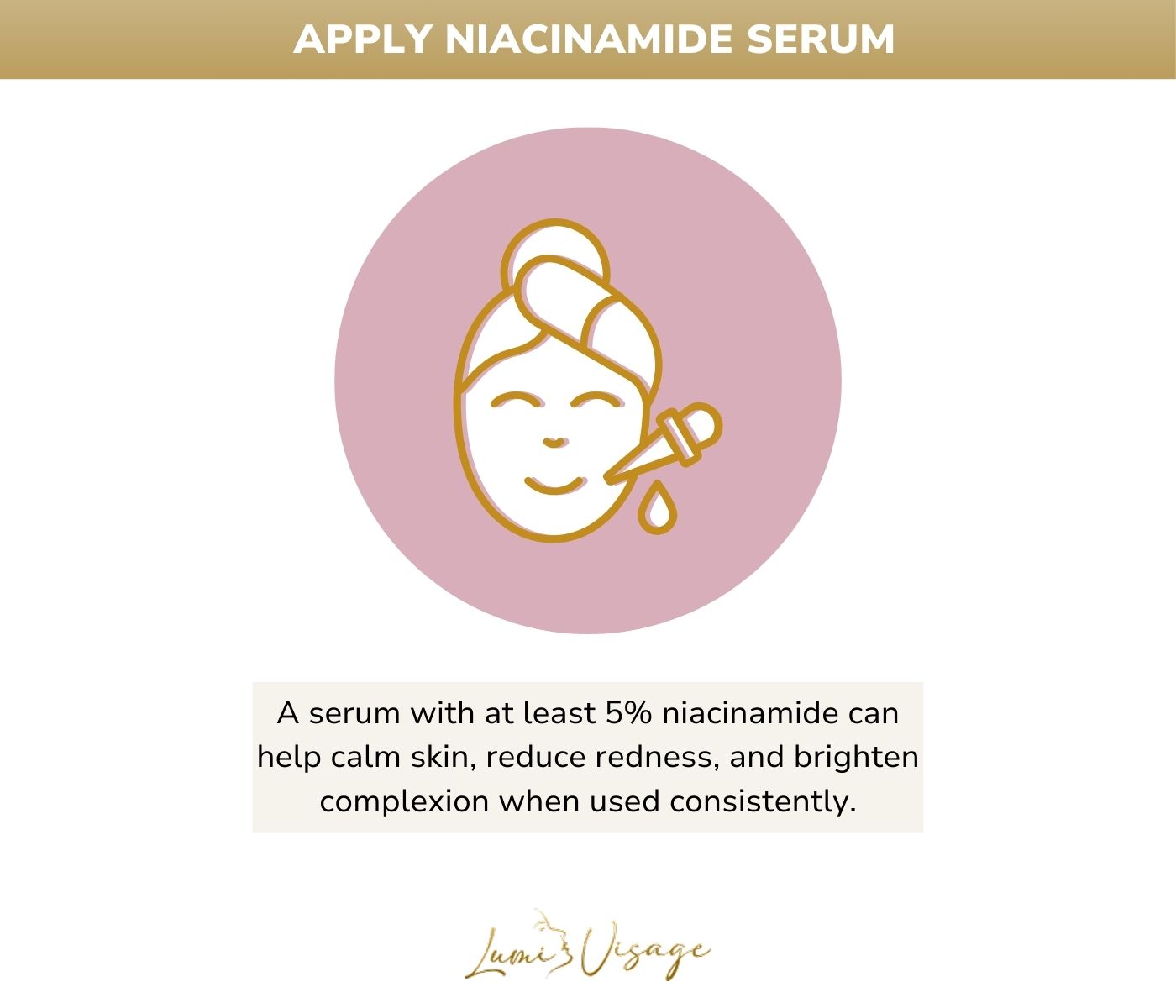
Look for a serum that contains at least 5% niacinamide. Consistent use can help calm your skin, reduce redness, and even brighten your overall complexion.
4. Soothe with Aloe Vera & Green Tea
If you’re looking for natural ways to calm your skin, aloe vera and green tea are two top contenders.
Aloe vera is well-known for its cooling and soothing properties, which make it a great choice for reducing inflammation and redness caused by acne.
You can apply aloe vera gel directly to the affected area or look for skincare products that contain it.
Green tea, meanwhile, is packed with antioxidants that help combat inflammation. A toner or cream that contains green tea extract can help calm irritated skin and reduce redness.
5. Sunscreen Is Non-Negotiable
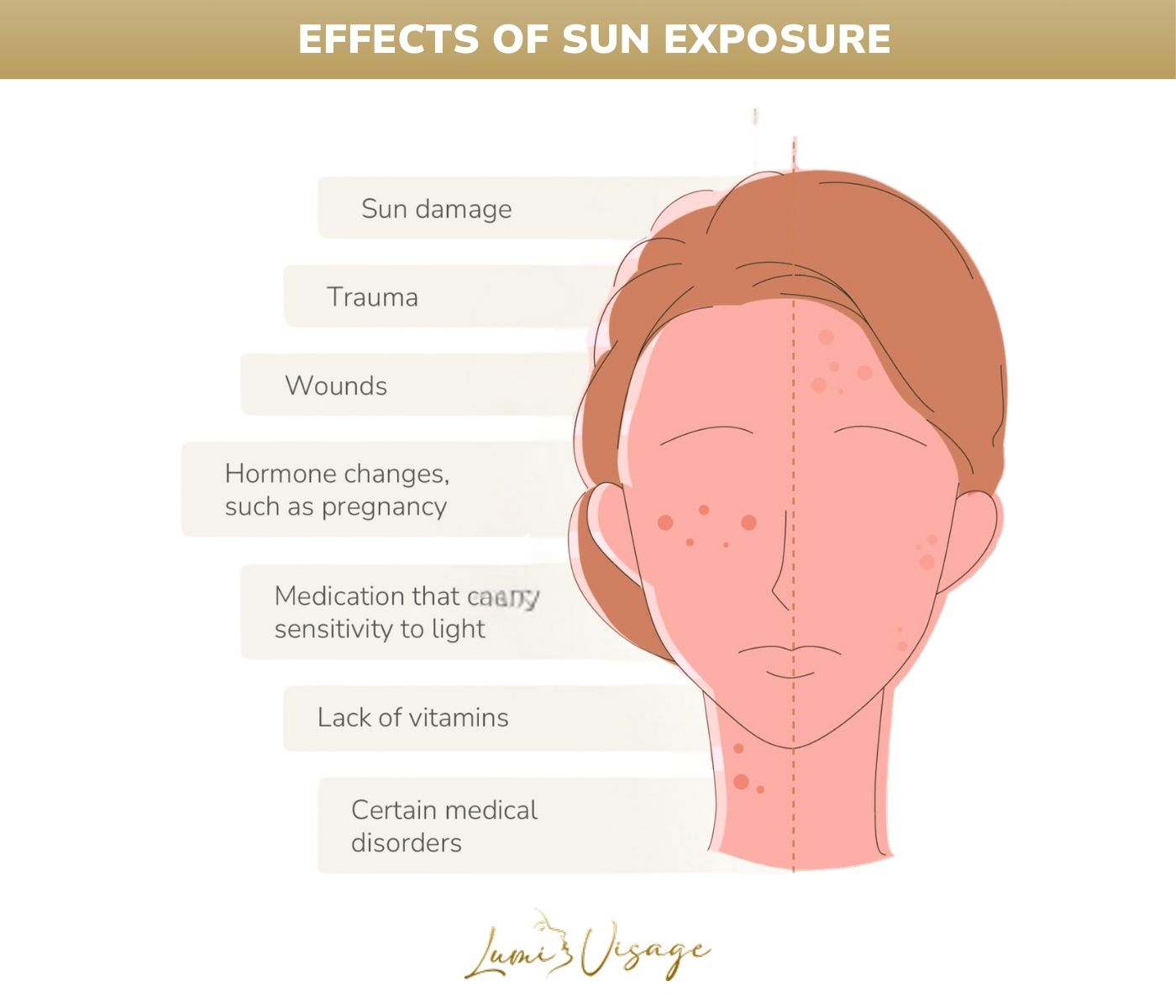
If you’re serious about reducing acne redness, sunscreen needs to be a daily part of your routine.
Sun exposure can worsen redness by increasing inflammation and delaying healing. It can also lead to dark spots, making it even harder for your skin to recover from breakouts.
Look for a broad-spectrum sunscreen with at least SPF 30. Applying it every morning—even on cloudy days—will protect your skin from further irritation and help reduce redness over time.
6. Hydrate, Hydrate, Hydrate
Maintaining your skin’s hydration levels is crucial when dealing with redness. Dehydrated skin can become irritated more easily, which exacerbates inflammation and redness.
A lightweight, non-comedogenic moisturizer with ingredients like hyaluronic acid or ceramides can help restore your skin’s moisture barrier without clogging your pores.
Using a moisturizer twice daily after cleansing can help keep your skin calm, hydrated, and less prone to redness.
7. Avoid Harsh Acne Products
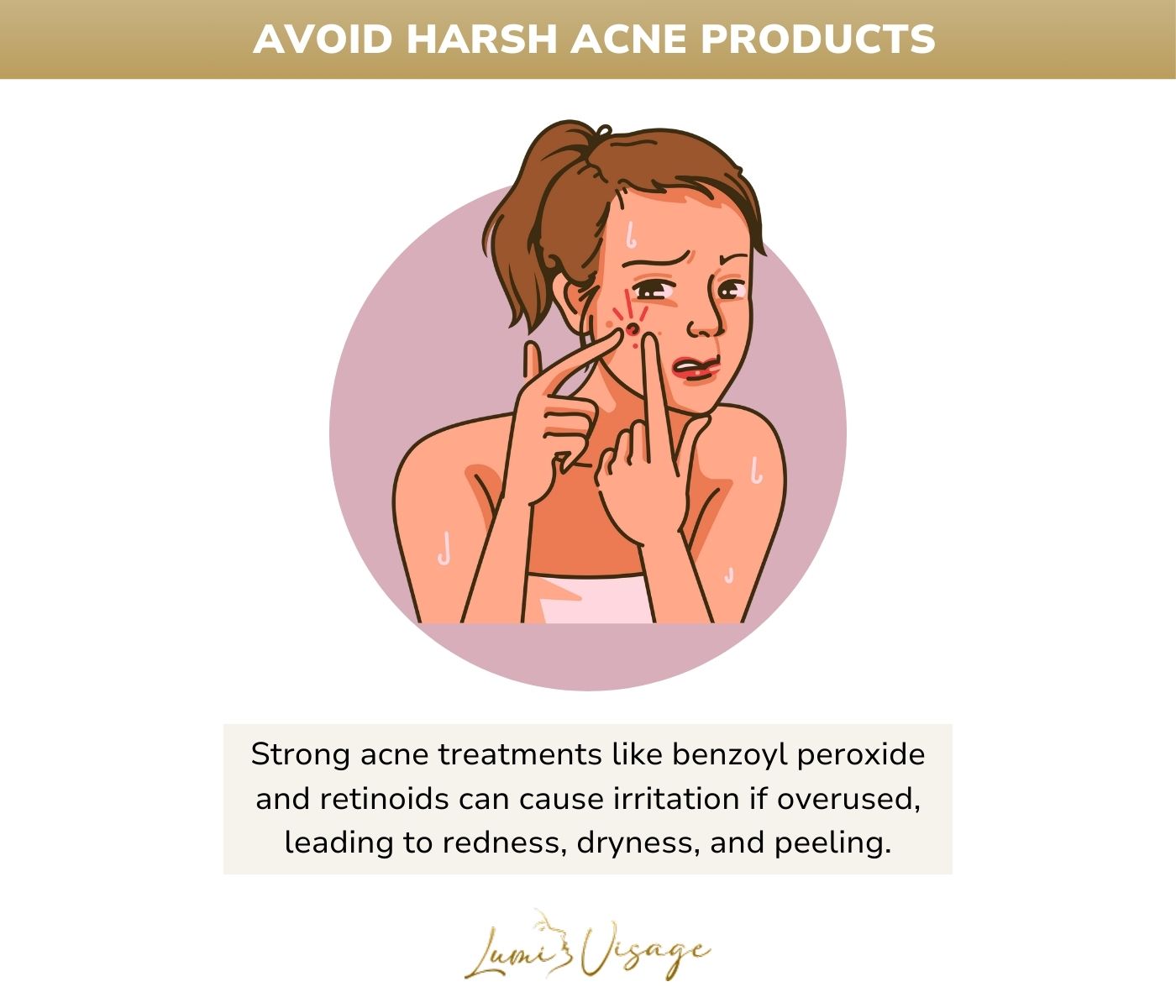
While strong acne treatments like benzoyl peroxide and retinoids are effective at fighting breakouts, they can also irritate your skin if overused.
This can lead to increased redness, dryness, and peeling.
If you notice that your skin is becoming redder after using these products, it may be time to scale back.
Switch to milder formulations or alternate their use with soothing products like aloe vera or niacinamide to give your skin time to recover.
8. Try Targeted Spot Treatments
Spot treatments are another great way to tackle active breakouts while minimizing the risk of spreading redness to other areas.
Look for spot treatments that contain anti-inflammatory ingredients like salicylic acid, benzoyl peroxide, or tea tree oil. These can help dry out individual pimples and reduce the associated redness.
Just be sure to use these treatments sparingly, as overuse can cause irritation.
9. Alternate Cold and Warm Compresses
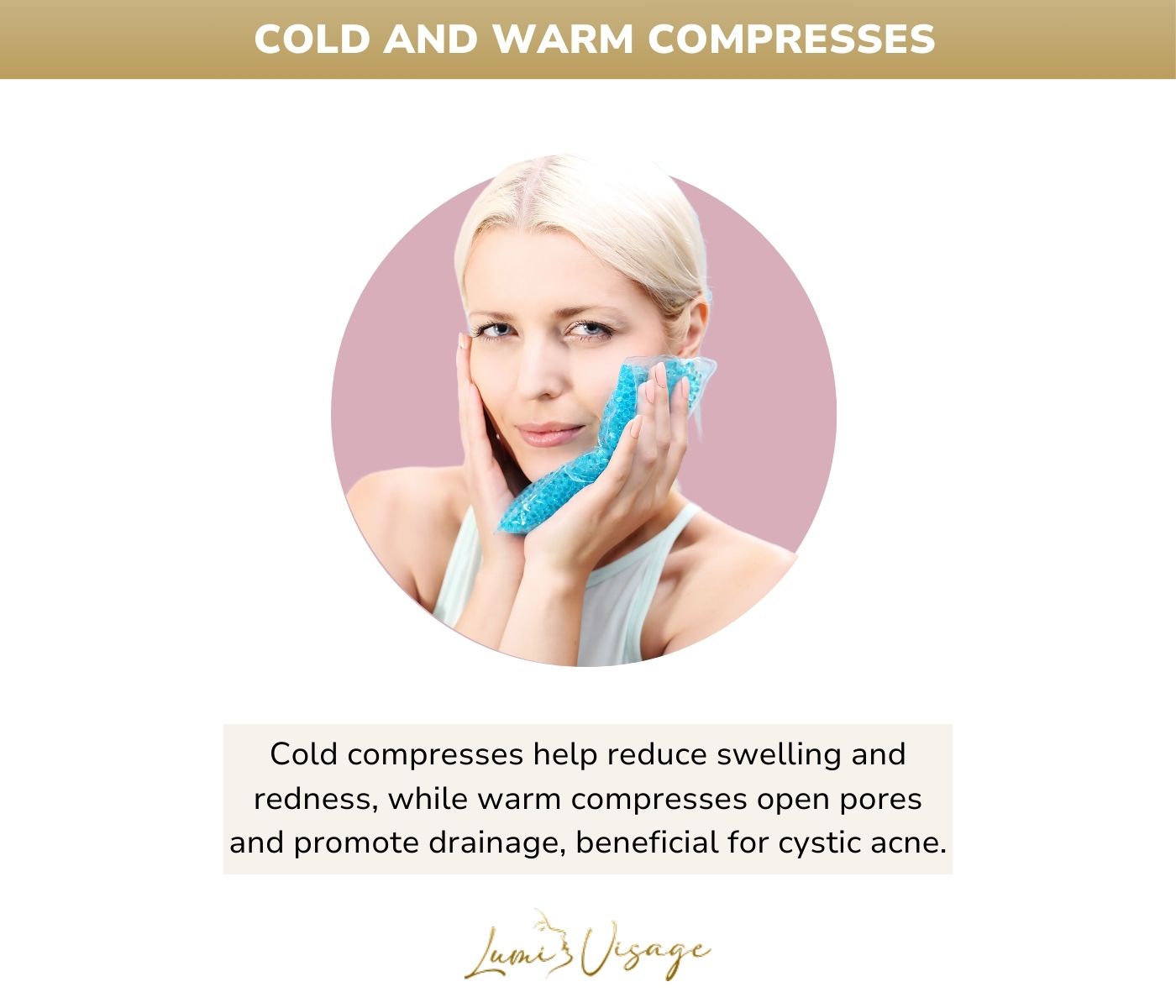
While cold compresses are excellent for reducing swelling and redness, warm compresses also have their place.
A warm compress can help open up your pores and promote drainage, especially in cases of cystic acne or deeply clogged pores.
By alternating between cold and warm compresses, you can reduce inflammation and encourage healing. This combination can be particularly helpful if you’re dealing with large, painful pimples.
10. Consult a Dermatologist for Laser Treatments
If your redness is persistent and over-the-counter treatments aren’t providing the results you’re looking for, it may be time to consider professional treatments.
Laser therapy, such as Intense Pulsed Light (IPL) or pulsed dye lasers, can target the dilated blood vessels responsible for acne-related redness. These treatments can be particularly effective for reducing post-inflammatory erythema (PIE).
While these procedures can be more costly than at-home remedies, they can deliver long-lasting results, especially for those dealing with severe redness or scarring.
Acne Redness Hurting Your Confidence?
Our LED mask calms irritation and inflammation fast.

When To Seek Professional Help?
Sometimes, despite your best efforts, redness from acne can persist.
If you’ve tried multiple treatments and your skin isn’t responding, it may be time to consult a dermatologist. They can recommend stronger treatments, such as prescription-strength topicals or oral medications, to address your acne and the accompanying redness.
In addition, dermatologists can assess whether you’re dealing with post-inflammatory erythema, rosacea, or another skin condition that may require targeted treatments.
Frequently Asked Questions
Can my diet affect acne redness?
Yes, certain foods can trigger inflammation and worsen acne redness. Processed foods, dairy, and high-glycemic index foods (like sugary snacks and refined carbs) may increase inflammation, while anti-inflammatory foods like omega-3 rich fish, leafy greens, and nuts can help reduce redness.
Does stress contribute to acne redness?
Stress can worsen acne by triggering the release of cortisol, a hormone that increases oil production. This excess oil can clog pores, causing more breakouts and redness. Managing stress through techniques like mindfulness or regular exercise may help keep acne flare-ups and redness in check.
Are facial massages helpful for reducing acne redness?
Facial massages can stimulate blood flow and reduce puffiness, but they should be done with care. Using a gentle touch and the right oils (like jojoba or rosehip) can help improve lymphatic drainage and reduce inflammation without irritating acne-prone skin.
Can environmental factors make acne redness worse?
Yes, exposure to pollution, harsh weather, and even air conditioning can dry out and irritate your skin, leading to increased inflammation and redness. Protecting your skin with barrier-strengthening products and staying hydrated can help minimize these effects.
Conclusion
Getting rid of acne redness takes consistency and the right approach. From cooling compresses to niacinamide serums, there are plenty of ways to calm irritated skin and reduce inflammation.
Protecting your skin from the sun and using gentle, soothing products is key to a clearer, healthier complexion.
But if you’re looking for a fast, effective solution, red light therapy is a game-changer. Our 7-color LED face mask offers targeted light therapy to help restore your skin’s glow.