


Curious about the difference between PEMF therapy and red light therapy?
These non-invasive treatments are often mentioned together, but they work in completely different ways. And knowing how they compare can help you make smarter choices for your skin, recovery, or pain relief goals.
We’ll walk through how each therapy works, where they shine, and when it might make sense to use both.
- PEMF uses electromagnetic fields for deep tissue; red light energizes mitochondria for surface healing.
- PEMF excels at joint pain, bone healing, chronic inflammation; RLT targets skin, muscle recovery.
- PEMF sessions last 20 minutes to 4+ hours; red light needs only 5-20 minutes.
- Red light shows faster results for skin issues; PEMF takes longer for deep systemic healing.
What Is PEMF Therapy?
PEMF stands for Pulsed Electromagnetic Field therapy.
It’s a mouthful, but the idea is surprisingly simple: PEMF uses low-frequency electromagnetic pulses to stimulate your body’s natural healing processes.
These pulses work by mimicking your body’s own electrical signals, encouraging better cellular communication and activity. Think of it like recharging your cells so they can repair, regenerate, and function more efficiently.
How PEMF Works:
- Sends gentle magnetic waves into your body
- Stimulates cell membranes and ion channels (especially calcium channels)
- Activates biological signaling pathways (like MAPK/ERK, TGF-β, cAMP/PKA)
- Promotes tissue regeneration, inflammation balance, and bone healing
PEMF therapy is commonly used for pain relief, circulation, inflammation, injury recovery, bone health, and even mental clarity or sleep support.
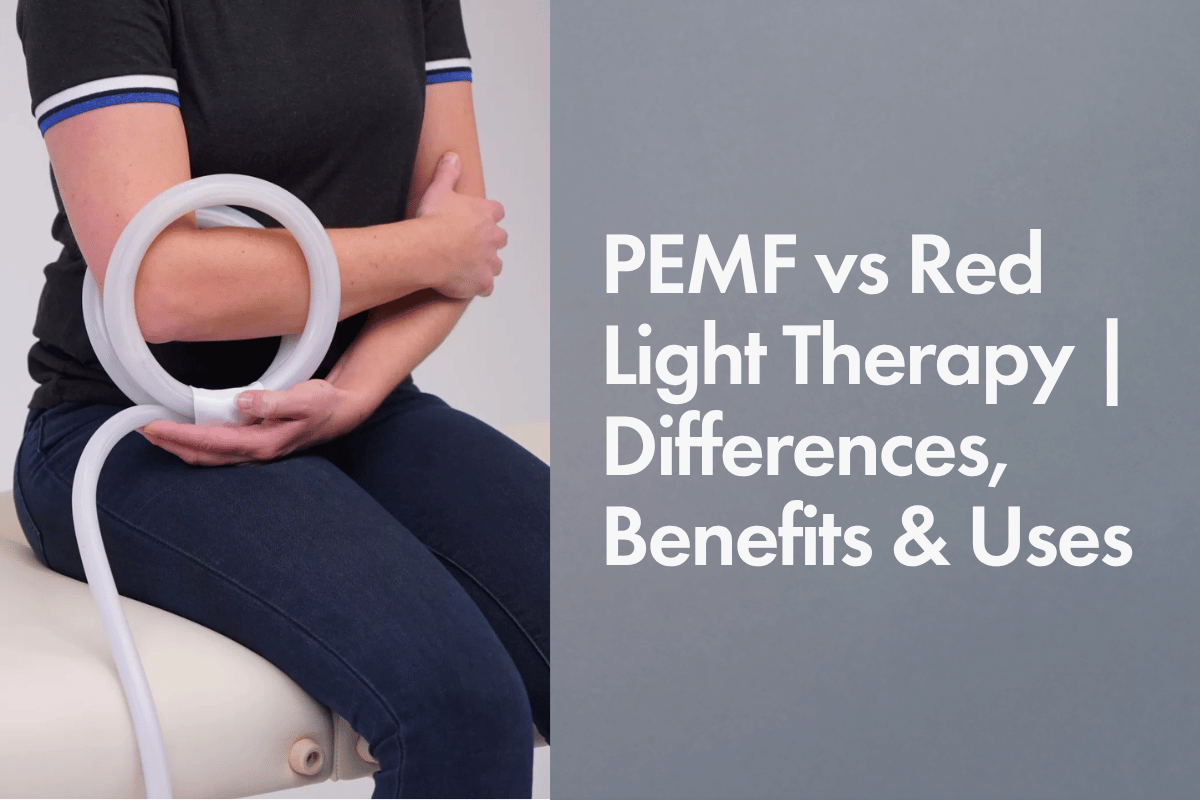
It’s generally done using mats, coils, or paddles, and is often described as relaxing.
What Is Red Light Therapy?
Red light therapy uses red or near-infrared light to stimulate the mitochondria inside your cells. Mitochondria are your cellular power plants, and RLT helps them crank out more ATP (energy).
How Red Light Therapy Works:
- Light at specific wavelengths (e.g., 630–680nm and 800–900nm) penetrates the skin
- It’s absorbed by chromophores in the mitochondria
- This triggers a cascade: more ATP, more nitric oxide, less oxidative stress
- Improves cell function, reduces inflammation, boosts collagen, supports healing
It’s best known for skin benefits (like wrinkle reduction and acne healing), muscle recovery, and surface-level pain or inflammation.
Red light therapy is easy to use at home and usually involves short, daily sessions with a mask or panel.
PEMF vs Red Light Therapy: Key Differences
| Feature | PEMF Therapy | Red Light Therapy |
|---|---|---|
PEMF | 20 min to 4 hours | Daily or several times/week for 30-90 days |
RLT | 5-20 min per area | Daily or 3-5x/week for several weeks |
Main Effects | Deep tissue repair, inflammation regulation, bone healing | Skin regeneration, collagen production, ATP boost |
Best For | Chronic pain, arthritis, fractures, inflammation | Acne, aging skin, wound healing, muscle recovery |
Treatment Depth | Deep (bone, joints, nerves) | Surface to mid-level (skin, soft tissue) |
Typical Session | 20 min to 4+ hours | 5 to 20 minutes per area |
Device Type | Mats, paddles, clinical machines | Panels, handhelds, LED masks |
In essence: PEMF stimulates cells electrically; RLT energizes cells chemically.
Shared Benefits
Despite their different mechanisms, these two therapies overlap in some powerful ways:
- Reduce inflammation: Both help calm the body’s inflammatory response.
- Relieve pain: Natural, drug-free pain relief by targeting root causes.
- Enhance tissue repair: Accelerate healing by supporting cellular repair processes.
- Boost circulation: Improved oxygen and nutrient delivery to tissues.
- Aid muscle recovery: Especially after workouts or injury.
- Support mental clarity & sleep: Modulate neurotransmitters and nervous system tone.
Together, they’re like a wellness one-two punch.
When to Use PEMF Therapy
PEMF shines when you’re dealing with chronic, deeper-rooted issues:
- Joint pain and arthritis
- Non-union fractures and osteoporosis
- Post-surgical recovery
- Chronic inflammation and fibromyalgia
- Nerve regeneration and systemic fatigue
Because PEMF works on deeper tissues and signaling pathways, it often takes a bit longer to show results but is a strong option for long-term healing.
When to Use Red Light Therapy
Red light therapy is your go-to for:
- Acne, rosacea, and other skin issues
- Fine lines, wrinkles, and sagging skin
- Scarring and wound healing
- Muscle recovery and minor injuries
- Mood support and circadian rhythm balance
Since RLT works on mitochondria and improves visible tissue health, results often appear faster for skin-related goals and surface-level inflammation.
Which Works Faster?
Red light therapy often shows faster results for skin and minor inflammation. Some users notice a difference in days or weeks.
PEMF therapy generally takes more time (weeks to months), but it’s working on a deeper level: signaling pathways, stem cell activation, bone metabolism.
So if you’re chasing that glow, RLT might show results sooner. But if you’re trying to heal chronic joint pain? PEMF is likely the better bet.
Treatment Duration & Frequency
| Therapy | Typical Session Time | Frequency |
|---|---|---|
PEMF | 20 min to 4 hours | Daily or several times/week for 30-90 days |
RLT | 5-20 min per area | Daily or 3-5x/week for several weeks |
PEMF treatments are longer and target deep tissue. RLT is quick, cumulative, and often more consistent.
Both depend on the device used and the issue being treated.
Home vs Clinical Devices
PEMF:
- Clinical devices = higher intensity, customizable settings, deeper penetration
- Home devices = mats or handhelds, easier to use, lower power, great for general wellness
Red Light Therapy:
- Clinical = panels with adjustable wavelengths and higher irradiance
- Home = LED masks, handhelds, panels; less intense but still effective with regular use
Bottom line: both have home and professional options – it depends on your goals and budget.
Safety & Contraindications
PEMF: Avoid if you have:
- Implanted devices (pacemakers, defibrillators, cochlear implants)
- Active bleeding or bleeding disorders
- Epilepsy or seizure disorders
- Organ transplants (immune stimulation risk)
- Are pregnant (consult your doctor)
RLT: Generally safe, but take care if:
- You’re photosensitive or on light-sensitizing medication
- You have an active cancer site
- You’re pregnant (check with your provider)
Can You Use PEMF and Red Light Therapy Together?
Yes, and it’s often a smart move. They complement each other beautifully:
- PEMF = deeper systemic effects
- Red light = quicker surface-level repair
Together, they create a layered healing effect. Some people alternate sessions, others stack them in one treatment (if their device or practitioner allows).
Think of it like combining good nutrition with exercise. Each helps, but together? That’s where the magic (okay, science) happens.
How to Choose: PEMF, RLT, or Both?
Go with PEMF if you’re dealing with:
- Deep joint pain, fractures, or post-op healing
- Chronic inflammation or nerve issues
- Fatigue and mobility concerns
Choose RLT if your goals are:
- Smoother, clearer skin
- Faster muscle recovery
- Visible improvement in wrinkles or acne
Use both if:
- You want to cover both surface and deep healing
- You’re recovering from surgery, managing arthritis, or tackling skin + pain symptoms together
Support Healing, Skin & Cellular Energy
Feel the difference in just minutes a day.
SHOP NOW – GET $100 OFF
Frequently Asked Questions
Can PEMF or red light therapy help with autoimmune conditions?
While neither therapy cures autoimmune diseases, both may help manage inflammation and reduce symptom flare-ups. Always consult a healthcare provider before use, especially if you’re immunocompromised.
Are PEMF and red light therapy safe for daily use?
Generally yes – red light therapy is often used daily, while PEMF frequency depends on the device and condition. Follow manufacturer guidelines or seek professional advice for chronic use.
Do I need to apply skincare products before red light therapy?
No, red light therapy works best on clean, dry skin. Some users apply serums after treatment to support skin recovery, but it’s not required for the therapy to be effective.
Can I travel with PEMF or red light therapy devices?
Most home-use devices are travel-friendly and safe to pack. Just ensure your device meets voltage requirements and is permitted in your destination (especially PEMF devices with magnets).
Conclusion
When it comes to PEMF vs red light therapy, there’s no one-size-fits-all.
These tools work in completely different ways: PEMF uses electromagnetic pulses to support deep healing, while red light therapy energizes your cells through light, targeting surface-level issues like skin, inflammation, and recovery.
Depending on your goals, one might make more sense than the other – or you might benefit from both. Either way, it’s about giving your body more of what it needs to heal and function at its best, naturally.
If your focus is skin repair, collagen support, and a way to work real science into your routine without overcomplicating it, our 7-color LED mask is a smart place to start. It’s FDA-cleared, easy to use, and $100 off right now. Shop now!