

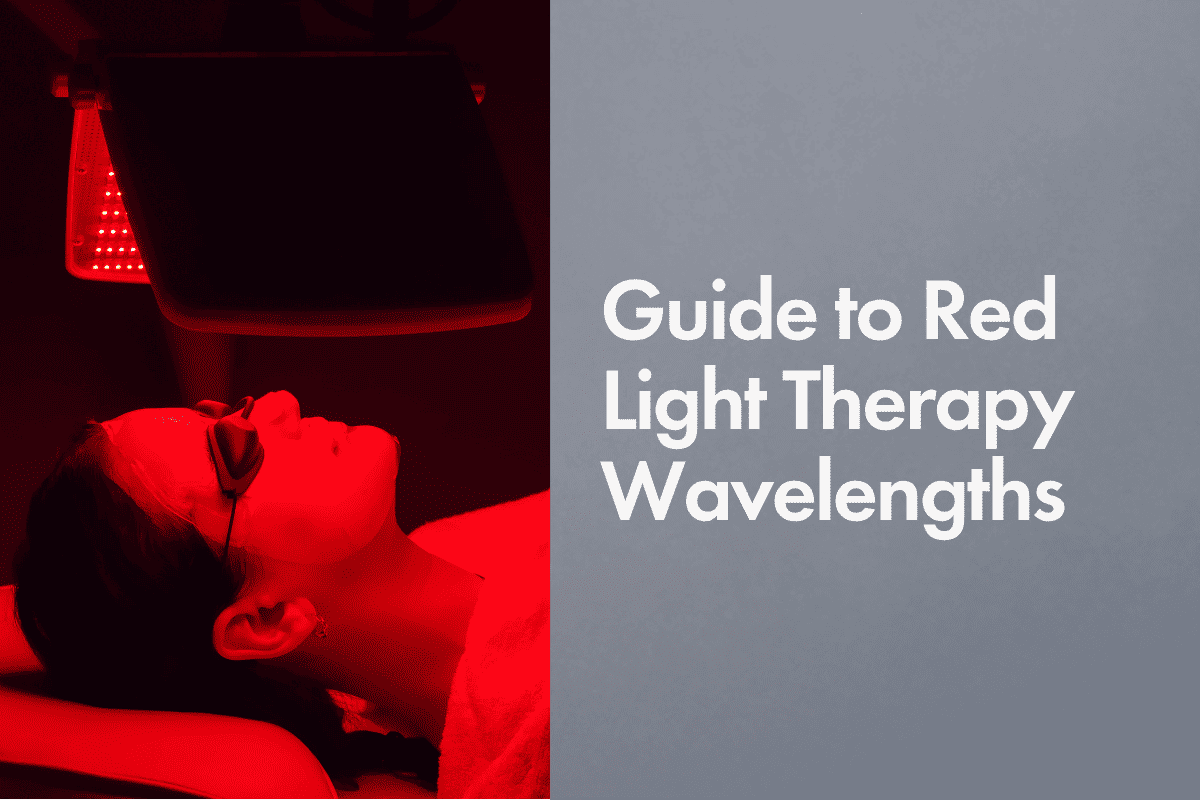

Red light therapy gets talked about a lot, but what actually makes it effective? One of the biggest factors is the wavelength.
Different frequencies reach different depths in the skin, triggering different biological responses.
If you’re exploring red light therapy or want to understand what sets devices apart, we’ll break down how wavelengths work, what they impact, and how to make sense of the numbers.
- 630-660nm red light targets skin surface for anti-aging and acne.
- 810-850nm near-infrared penetrates deeper for muscle and joint recovery.
- Wavelength determines penetration depth and which tissues get treated.
- Multiple wavelengths in one device offer more comprehensive treatment options.
What Are Red Light Therapy Wavelengths?
Red light therapy uses red (visible) and near-infrared (invisible) light to stimulate healing at the cellular level.
These wavelengths range from 630 nm to 850 nm, each with different therapeutic targets.
| Wavelength (nm) | Light Type | Penetration Depth | Best For |
|---|---|---|---|
|
630 nm |
Red Light |
1–4.5 mm (epidermis) |
Acne, inflammation, wound healing |
|
660 nm |
Red Light |
5–10 mm (dermis) |
Collagen production, anti-aging, skin texture |
|
810–830 nm |
Near-Infrared Light |
Up to 30 mm |
Deep tissue healing, joint recovery |
|
850 nm |
Near-Infrared Light |
Up to 50 mm |
Muscle recovery, chronic pain, inflammation |
Why Do Wavelengths Matter?
Each wavelength interacts with the body differently based on how far it travels through skin and tissue.
- Red Light (630–660 nm) is absorbed by the skin and upper dermis, stimulating fibroblasts to increase collagen and elastin, improving tone, texture, and hydration.
- Near-Infrared Light (810–850 nm) reaches deeper into the muscles, joints, and connective tissue, supporting ATP production in mitochondria and reducing inflammation at the source.
This explains why red light is great for anti-aging and acne, while NIR is better for back pain, muscle recovery, or joint stiffness.
Cellular Mechanism: How Red Light Works
Here’s what happens when light hits your skin:
- Light Penetration: Red/NIR light enters your skin and is absorbed by cytochrome c oxidase, a photoreceptor enzyme in mitochondria.
- ATP Production Increases: This boosts the production of ATP, the fuel your cells need for repair and regeneration.
- Inflammation Reduction: Light also triggers the release of nitric oxide, improving blood flow and decreasing oxidative stress.
- Cellular Repair Begins: These effects jumpstart a chain reaction – stimulating collagen production, reducing inflammation, and enhancing tissue healing.
The result: Your skin heals from within. Your muscles recover faster. And chronic inflammation gets dialed down at a cellular level.
Wavelengths by Use Case
Let’s zoom in on which wavelengths work best for specific concerns:
Skin Rejuvenation & Anti-Aging (630–660 nm)
- Stimulates fibroblasts to boost collagen and elastin
- Reduces appearance of fine lines and wrinkles
- Improves skin tone, elasticity, and hydration
💡 Best choice for skincare, especially when consistency is part of your routine.
Acne and Inflammation (630 nm)
- Targets inflammation-causing bacteria and helps balance oil production
- Calms flare-ups in acne, rosacea, and eczema
💡 Often paired with blue light for a combined anti-acne approach.
Wound Healing & Scar Repair (660–850 nm)
- 660 nm enhances tissue regeneration at the skin’s surface
- 850 nm supports deeper structural healing, aiding scar remodeling
💡 Dual-wavelength devices are most effective here.
Muscle Recovery & Pain Relief (810–850 nm)
- Penetrates deeply into muscles and joints
- Increases ATP in stressed tissues and reduces chronic inflammation
💡 Ideal for athletes or those with chronic joint pain.
Choosing the Right Device
Here’s what to consider when evaluating a red light therapy device:
- Wavelength Specificity: Look for devices that specify exact wavelengths like 660 nm or 850 nm, not just “red light.”
- Irradiance: This is power density, measured in mW/cm². Effective therapy typically starts at 20–100 mW/cm².
- Treatment Area: Larger panels treat more area faster, while smaller masks or wearables are ideal for targeted care.
- Combination Devices: Devices offering multiple wavelengths are more versatile and provide comprehensive tissue treatment.
- FDA Clearance: Prioritize FDA-cleared devices for proven safety and performance standards.
Boost Skin Health With Proven Light Power
Target wrinkles, acne, and inflammation at the source.
SHOP NOW – GET $100 OFF
Frequently Asked Questions
What’s the difference between 660nm and 670nm red light?
Both target the dermis and stimulate collagen, but 660nm is more widely studied and used in commercial devices, while 670nm may offer a slightly different absorption profile, especially for mitochondrial stimulation.
Is 850nm light safe for facial use?
Yes, 850nm is safe when used properly. While it penetrates deeper than red light, FDA-cleared facial devices regulate intensity to ensure it’s safe for skin and underlying tissues.
Can red light therapy wavelengths affect pigmentation or melanin?
Red and NIR light are not known to increase melanin production. In fact, 630nm has shown benefits for calming pigmentation issues like post-inflammatory erythema and mild hyperpigmentation.
Why do some devices offer 830nm instead of 850nm?
830nm sits in a sweet spot for both depth and mitochondrial absorption. While 850nm penetrates slightly deeper, 830nm is sometimes preferred for muscle and nerve stimulation due to its bioactive efficiency.
Conclusion
The effectiveness of red light therapy lies in its wavelengths.
If you’re targeting breakouts, fine lines, dull texture, or redness, wavelengths like 630 nm and 660 nm are clinically shown to boost collagen, reduce inflammation, and support natural healing in your skin’s upper layers.
Meanwhile, near-infrared options like 850 nm work behind the scenes to support circulation and deeper cellular repair.
The bottom line: Understanding red light wavelengths helps you choose smarter – and see better results, faster.
Shop our FDA-cleared 7-color LED face mask to target acne, aging, and more with the clinically backed wavelengths your skin responds to. Designed for consistent, at-home results without the salon price tag.