


Redness, itchiness, and those annoying oily patches? Seborrheic dermatitis can kill your confidence, but there’s a way to tackle it without the endless trial-and-error.
Red light therapy—a surprisingly simple, science-backed treatment is changing the way people deal with stubborn skin issues.
Let’s get into why this should be your new go-to skin solution.
- Red light therapy reduces inflammation and supports skin repair for seborrheic dermatitis relief.
- FDA-cleared devices with 600–850 nm wavelengths are most effective for treatment.
- Consistency is crucial: use 10–20 minutes per session, 2–5 times a week.
- Pair therapy with a gentle skincare routine to maximize results and prevent irritation.
What Is Seborrheic Dermatitis?
Seborrheic dermatitis is a skin condition that primarily affects areas with a high concentration of oil glands, such as the scalp, face, and upper chest.
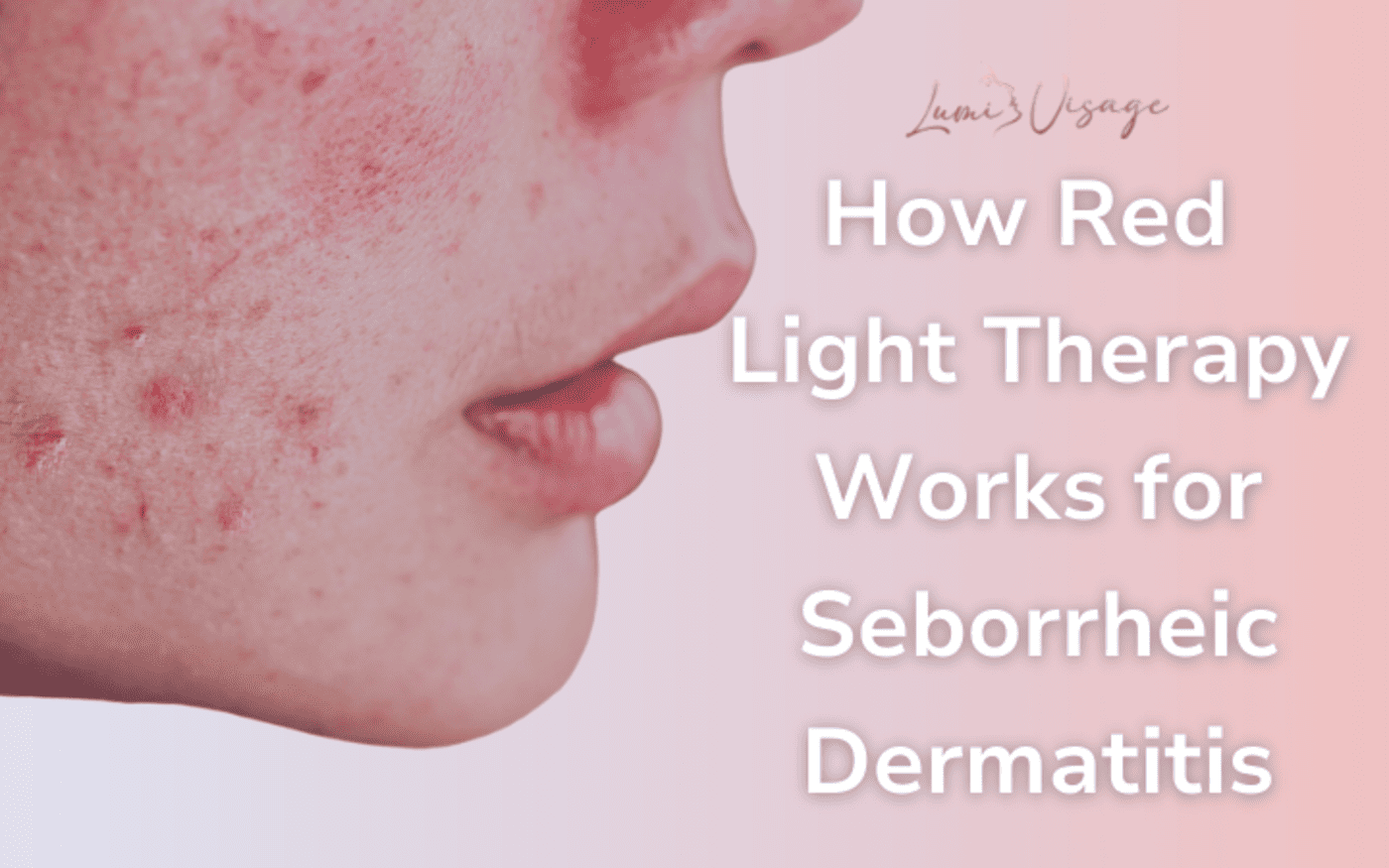
It’s marked by red, inflamed patches of skin that often flake or produce greasy scales. Many people experience itching and discomfort, which can interfere with daily life.
Causes and Triggers
The exact cause isn’t fully understood, but researchers believe it’s linked to an overgrowth of a type of yeast called Malassezia, which naturally lives on the skin. When this yeast grows out of control, it can trigger an inflammatory response.
Other contributing factors include:
- Genetics: A family history of seborrheic dermatitis increases the likelihood of developing it.
- Hormonal Changes: Shifts in hormones can exacerbate symptoms, which is why flare-ups often occur during puberty or stress.
- Environment: Cold, dry weather can worsen symptoms, while humid conditions may provide relief.
Managing triggers is a crucial part of controlling this condition, but for many people, it’s only part of the equation.
How Red Light Therapy Benefits Seborrheic Dermatitis
Red light therapy offers several benefits that make it a compelling option for those with seborrheic dermatitis:
1. Reduces Inflammation
Inflammation is a hallmark of seborrheic dermatitis. Red patches and swollen areas are not only uncomfortable but also a sign that the skin is under stress.
Red light therapy has been shown to decrease the production of pro-inflammatory cytokines, which are molecules that signal the body to initiate an inflammatory response.
By reducing these signals, the therapy calms redness and swelling, providing relief.
2. Normalizes Sebum Production
One of the defining features of seborrheic dermatitis is the oily scales that often form on the skin. This is due to overactive sebaceous (oil-producing) glands.
While research is still ongoing, there’s evidence to suggest that red light therapy may help regulate sebum production, reducing the oiliness that contributes to symptoms.
3. Inhibits Malassezia Growth
The yeast Malassezia plays a significant role in seborrheic dermatitis. While antifungal medications directly target this yeast, red light therapy has shown antifungal properties as well.
By inhibiting Malassezia overgrowth, it addresses one of the root causes of the condition.
4. Promotes Skin Healing
Flare-ups often leave the skin irritated and damaged. Red light therapy accelerates cellular repair processes, helping the skin recover more quickly.
This is particularly beneficial for people who experience frequent or severe episodes.
How to Use Red Light Therapy for Seborrheic Dermatitis
If you’re considering red light therapy, it’s important to know how to use it effectively.
Step 1: Consult a Dermatologist
Before starting any new treatment, consult a dermatologist. They can confirm whether red light therapy is appropriate for your specific case and guide you on the best approach.
Step 2: Choose the Right Device
Not all red light therapy devices are created equal. Look for a device that:
- Offers wavelengths between 600–850 nm, ideal for skin treatments.
- Is FDA-cleared for safety and efficacy.
- Is designed for use on sensitive skin.
Handheld devices, masks, and panels are all available, so choose one that fits your needs and lifestyle.
Step 3: Follow a Routine
Consistency is key. Most devices recommend sessions lasting 10–20 minutes, two to five times per week.
Stick to the recommended schedule and avoid overusing the device, as excessive exposure could irritate the skin.
Step 4: Pair It With Gentle Skincare
To maximize the benefits of red light therapy, combine it with a skincare routine tailored to sensitive skin.
Use mild, fragrance-free cleansers and moisturizers to support your skin’s barrier function.
Safety Considerations
Red light therapy is generally safe for most people, but there are a few precautions to keep in mind:
- Photosensitivity: Some medications or conditions make the skin more sensitive to light. Check with your doctor if this applies to you.
- Proper Use: Always follow the manufacturer’s instructions to avoid irritation or overexposure.
- Eye Protection: If the device is used near the eyes, wear protective goggles to prevent discomfort.
While side effects are rare, temporary redness or a mild warming sensation can occur. If these symptoms persist, discontinue use and consult a healthcare provider.
Complementary Treatments for Seborrheic Dermatitis
Red light therapy works best when combined with other strategies to manage seborrheic dermatitis:
Skincare Adjustments
Switch to non-comedogenic, fragrance-free products that won’t irritate the skin. Avoid exfoliants or harsh ingredients during flare-ups.
Lifestyle Changes
Stress and diet can play a role in seborrheic dermatitis. Practices like mindfulness or yoga can help manage stress, while reducing sugar and processed foods may improve symptoms.
Specialized Shampoos
For those with scalp involvement, medicated shampoos containing ingredients like ketoconazole or zinc pyrithione can be an effective addition to your routine.
Struggling With Flare-Ups and Red, Flaky Skin?
The Lumi Visage LED Mask calms and heals.
SHOP NOW – GET $100 OFF
Frequently Asked Questions
Can red light therapy prevent future flare-ups of seborrheic dermatitis?
While it helps manage symptoms, it doesn’t prevent flare-ups entirely. Pair it with trigger management for the best results.
Is red light therapy safe for all skin types?
Yes, it’s generally safe for all skin types, but always follow device guidelines and consult a dermatologist if unsure.
How does red light therapy compare to blue light therapy for seborrheic dermatitis?
Red light targets inflammation and healing, while blue light focuses more on reducing bacteria and fungi.
Can red light therapy be used on the scalp for seborrheic dermatitis?
Yes, it’s effective for scalp symptoms. Some devices are specifically designed for scalp treatments.
Are there specific aftercare steps to follow post-therapy sessions?
Yes, apply a fragrance-free moisturizer and avoid harsh products immediately after treatment.
Conclusion
Red light therapy is a simple, effective way to manage seborrheic dermatitis.
By calming inflammation, regulating oil production, and supporting skin repair, it tackles key symptoms without the mess of creams or the hassle of complicated routines. When paired with a gentle skincare regimen, it can provide lasting relief and healthier skin over time. Ready to try it for yourself? The Lumi Visage 7-Color LED Face Mask makes starting easy—grab yours today and see the difference.