



Infrared therapy is shining a new light on eczema relief.
By calming inflammation and supporting skin repair, it offers fresh hope for those battling relentless itch and redness.
If you’re ready to reclaim your confidence, we’ll break down the benefits, risks, and everything you need to know to decide if it’s right for you.
- Infrared therapy may reduce eczema inflammation, itching, and improve skin repair.
- Scientific evidence is promising but limited; more eczema-specific research is needed.
- Risks include skin sensitivity, burns, and variable results depending on individual conditions.
- Infrared therapy complements traditional treatments but isn’t a standalone solution.
How Infrared Might Benefit Eczema
Infrared therapy uses gentle heat from infrared light to penetrate the skin, boosting circulation and promoting repair without harmful UV radiation.
Often used for pain relief and skin issues, it’s gaining attention for easing eczema symptoms by reducing inflammation, soothing irritation, and supporting healing.
While not a cure, it may complement existing treatments to provide relief.
Eczema flare-ups are often driven by a combination of skin inflammation, a weakened skin barrier, and overactive immune responses.
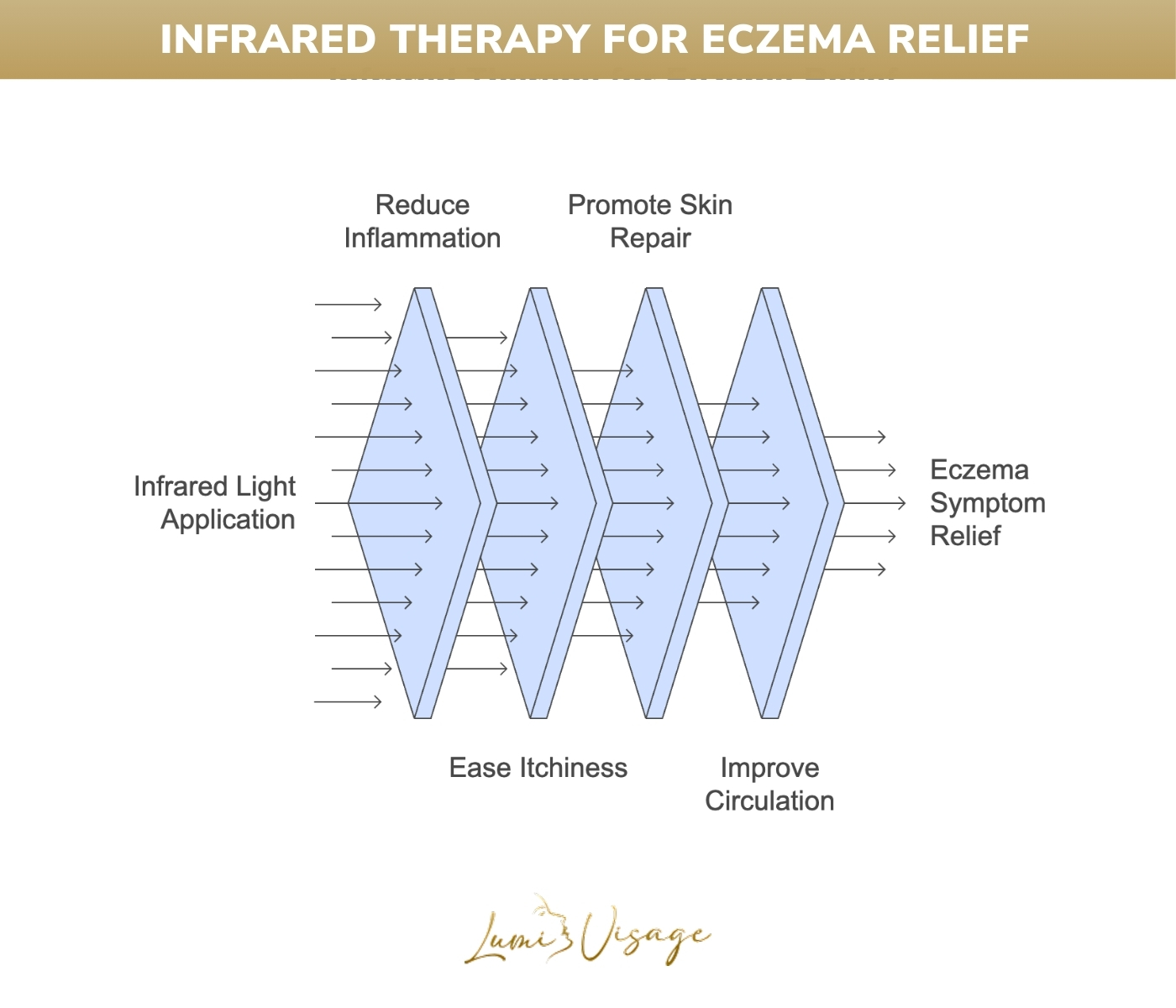
Here’s how infrared therapy could address some of these issues:
1. Reduces Inflammation
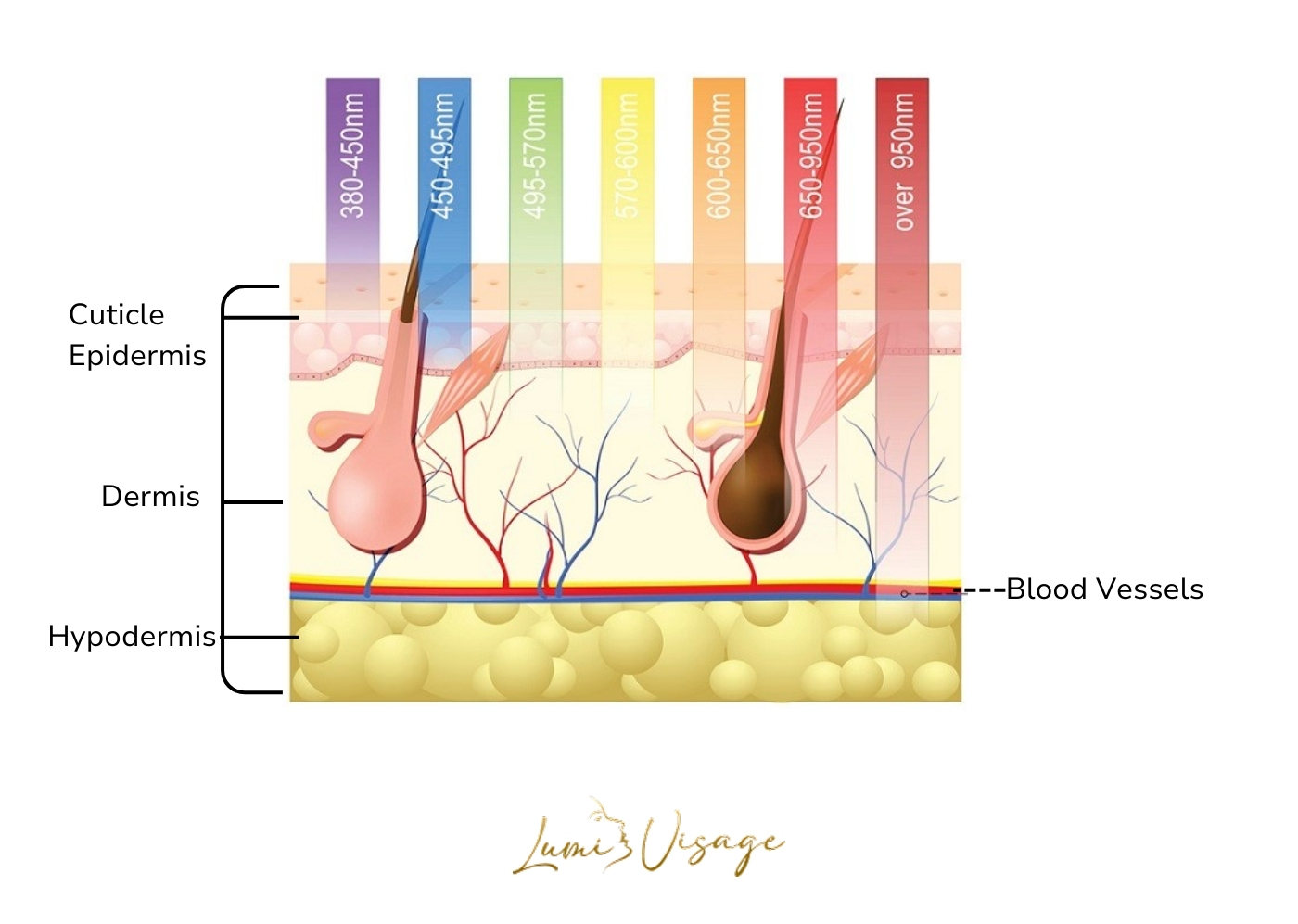
Infrared light penetrates deeper layers of the skin, improving circulation and encouraging anti-inflammatory processes.
For people with eczema, this could mean less redness, swelling, and irritation in affected areas.
2. Eases Itchiness and Discomfort
One of the most frustrating aspects of eczema is persistent itching, which can lead to scratching and further skin damage. Infrared’s heat can soothe nerve endings and provide temporary relief, making it easier to resist scratching and allowing the skin to heal.
3. Promotes Skin Repair
Infrared light encourages the production of collagen and elastin—proteins essential for healthy skin.
This could strengthen the skin’s barrier function, helping it retain moisture and protect against irritants that trigger eczema flare-ups.
4. Improves Circulation
By increasing blood flow, infrared therapy delivers more oxygen and nutrients to damaged skin. This enhanced circulation supports the skin’s natural healing processes, which may help reduce the duration of flare-ups.
Scientific Evidence Supporting Infrared for Eczema
Although infrared therapy shows promise, the scientific research specifically focused on eczema is limited.
Existing studies highlight some general benefits of infrared light for inflammatory skin conditions, which could translate to eczema relief.
For instance, one study found that infrared therapy reduced inflammation and accelerated tissue repair in participants with various skin conditions. While these results are encouraging, eczema-specific research is needed to confirm its effectiveness.
Are You Tired Of Treatments That Don’t Deliver?
Infrared therapy can transform your eczema battle—and your life.
SHOP NOW – GET $100 OFF
Risks and Considerations
Here’s what you should keep in mind before trying it for eczema:
1. Skin Sensitivity
While infrared light is generally considered safe, people with sensitive skin or severe eczema may experience irritation, redness, or discomfort if the treatment is too intense or applied for too long.
2. Overheating and Burns
Since infrared therapy generates heat, improper use could lead to overheating or mild burns, particularly if the skin barrier is already compromised.
It’s vital to follow manufacturer instructions or seek professional guidance when using infrared devices.
3. Individual Variability
Eczema isn’t a one-size-fits-all condition. What works for one person may not work for another, and infrared therapy might not deliver noticeable results for everyone.
Factors like the severity of eczema, skin type, and overall health play a role.
Infrared vs. Traditional Eczema Treatments
Topical Steroids
Topical corticosteroids remain the gold standard for managing eczema inflammation. While effective, long-term use can thin the skin and cause side effects.
Infrared therapy, by contrast, is non-invasive and doesn’t involve medication, making it appealing for those seeking drug-free options.
Moisturizers and Barrier Creams
Maintaining skin hydration is critical for managing eczema. Infrared therapy doesn’t replace this step but may complement it by enhancing skin repair and soothing inflammation.
Phototherapy (UVB Light)
UVB phototherapy is a well-established treatment for moderate to severe eczema. Infrared therapy, on the other hand, doesn’t expose the skin to UV radiation, reducing the risk of long-term skin damage.
However, it may not be as effective for widespread or severe cases.
Who Should Consider Infrared Therapy?
Infrared therapy might be worth exploring if:
- Your eczema is mild to moderate and isn’t responding well to traditional treatments.
- You’re looking for a non-invasive, drug-free option to manage symptoms.
- You’re open to integrating alternative therapies alongside your regular care plan.
However, those with severe eczema, sensitive skin, or a history of adverse reactions should approach infrared therapy with caution. Consulting a dermatologist beforehand is essential.
How to Get Started with Infrared for Eczema
If you’re interested in trying infrared therapy, here are a few tips to ensure safe and effective use:
- Choose the Right Device
Look for FDA-approved devices designed for at-home use. Read reviews and choose a reputable brand to ensure quality and safety.
- Start Slowly
Begin with short sessions at a lower intensity to see how your skin reacts. Gradually increase the duration and intensity as tolerated.
- Pair with Moisturization
Always moisturize your skin before and after infrared therapy to maintain hydration and protect your skin barrier.
- Monitor Your Skin
Pay attention to how your skin responds. If you notice any irritation, discontinue use and consult a healthcare provider.
Frequently Asked Questions
Can infrared therapy help prevent eczema flare-ups?
Infrared therapy might improve skin health and barrier function over time, which could reduce the frequency of flare-ups. However, maintaining hydration and avoiding triggers remain the most effective preventive measures.
How long does it take to see results from infrared therapy?
Results can vary, but some people report noticeable improvements in inflammation and itching within a few weeks of consistent use. For others, it may take longer or show minimal effects.
Can I combine infrared therapy with other natural treatments?
Yes, infrared therapy can complement natural remedies like oatmeal baths, aloe vera, or calendula creams. Using these together may enhance skin soothing and repair.
Does infrared therapy have any long-term benefits for eczema?
While research is still emerging, regular infrared therapy may improve skin resilience, reduce scarring from severe eczema, and promote overall skin health when used responsibly.
Conclusion
Infrared therapy is gaining attention as a potential option for managing eczema symptoms like itching, redness, and irritation.
While it’s not a cure, its ability to support skin repair and reduce inflammation makes it a compelling choice for those seeking additional relief.
By combining infrared therapy with established treatments and a solid skincare routine, many people have found better control over their condition.Ready to see the benefits for yourself? The Lumi Visage 7-Color LED face mask offers convenient, safe, and effective infrared technology designed to help soothe your skin. Take charge of your eczema care and rediscover comfort, relief, and confidence in every step.