



Surgery is tough on your body, but what if you could give yourself a head start on healing?
Red light therapy is a simple, non-invasive treatment that helps reduce pain, control inflammation, and speed up recovery. It’s like giving your body the tools it needs to bounce back faster.
Here’s how red light therapy before surgery can set you up for a smoother, better outcome.
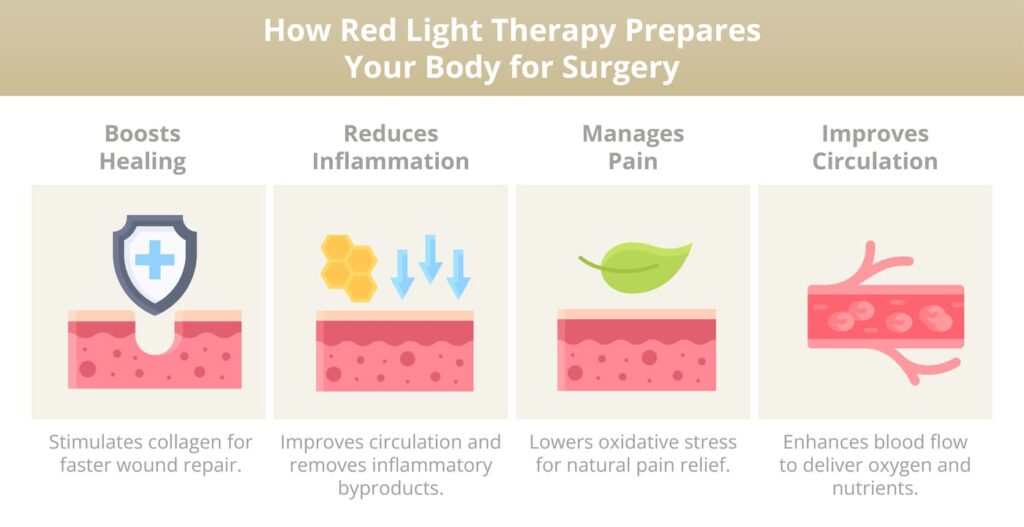
- Red light therapy boosts healing, reduces inflammation, and supports pain management before surgery.
- It stimulates collagen production to improve tissue repair and wound recovery post-procedure.
- Regular sessions improve circulation, ensuring oxygen and nutrients reach surgical areas efficiently.
- Start therapy 2-3 weeks pre-surgery for the best results and consult your doctor.
Benefits of Red Light Therapy Before Surgery
Red light therapy uses safe, non-damaging wavelengths of light to energize your cells and kickstart repair. By stimulating the mitochondria—your body’s cellular “powerhouses”—it boosts energy production, reduces inflammation, and supports healing.
While it’s known for aiding recovery, using red light therapy before surgery can prep your body for a smoother procedure and faster recovery.
When it comes to surgery, preparation can have a big impact on your recovery timeline.
Red light therapy is emerging as a helpful tool for patients preparing for procedures—here’s why:
1. Enhanced Wound Healing
One of the most significant advantages of red light therapy is its ability to accelerate wound healing. This benefit is crucial before surgery because it prepares the body for the inevitable tissue disruption caused by the procedure.
Red light therapy helps by stimulating collagen production—a key protein that supports tissue structure and repair. Collagen is critical for wound closure, skin regeneration, and scar formation, all of which come into play after surgery.
By boosting your body’s ability to produce collagen ahead of time, red light therapy may shorten recovery periods and improve the overall healing process.
2. Reduced Inflammation
Inflammation is a natural response to surgery, but too much can lead to complications, increased discomfort, and longer recovery times. Red light therapy works to reduce inflammation at a cellular level.
When red and near-infrared light enters the body, they improve blood flow and encourage the removal of inflammatory byproducts. This process helps reduce swelling and promotes a healthier inflammatory response.
Pre-treating with red light therapy may lower the body’s overall inflammation load, making it easier to handle the stress of surgery.
Additionally, because red light therapy supports circulation, it helps deliver oxygen and nutrients to tissues, which can further minimize swelling and improve overall recovery.
3. Pain Management
Pain is one of the biggest challenges associated with surgery. While anesthesia and medications can help during and after the procedure, there’s evidence that red light therapy may offer drug-free pain relief.
Red light therapy reduces oxidative stress, a condition that causes cell damage and contributes to pain. By increasing cellular energy production, the therapy helps tissues repair more efficiently, which can alleviate pain naturally.
For those who are sensitive to pain medications or want to minimize their reliance on pharmaceuticals, red light therapy can be a helpful addition to a pre-surgery routine.
It can prepare the body to handle pain more effectively and may reduce the need for strong painkillers after the operation.
4. Improved Circulation
Blood flow plays an essential role in both preparing for and recovering from surgery. Good circulation ensures that oxygen, nutrients, and healing factors reach your tissues quickly and efficiently.
Red light therapy stimulates the production of nitric oxide, a molecule that helps relax blood vessels and improve circulation. When blood flow is enhanced, tissues are better prepared to withstand the stress of surgery and repair themselves afterward.
Think of red light therapy as helping your body “prime” its systems before the procedure. Improved circulation supports all the processes needed for healing, from tissue repair to inflammation control.
The Science Behind Red Light Therapy and Surgery
While red light therapy is still being explored in the medical field, research shows promising results for its role in wound healing, pain management, and inflammation control.
Here are a few key findings:
- A 2021 study found that low-level laser therapy significantly improved tissue healing by increasing collagen synthesis and reducing inflammation. Patients treated with red light experienced faster recovery times and reduced discomfort.
- Clinical research also shows that red light therapy can lower levels of inflammatory markers, which play a key role in swelling and post-surgical complications.
- Studies on pain relief suggest that red light therapy reduces oxidative stress and encourages natural tissue repair, leading to noticeable pain reduction without the need for medications.
While more research is ongoing, existing evidence supports the idea that red light therapy can help patients prepare their bodies for surgery.
It’s a safe and non-invasive way to complement other pre-surgical care measures.
How to Use Red Light Therapy Before Surgery
If you’re considering red light therapy before surgery, it’s important to approach it with a plan.
Here’s how you can get started:
- Consult Your Healthcare Provider
Always speak with your doctor or surgeon before incorporating red light therapy into your pre-surgical routine.
While it’s generally considered safe, your medical team can help you decide if it’s appropriate for your situation.
- Find a Trusted Provider or Device
Red light therapy can be administered at professional clinics, wellness centers, or at home with personal devices. If you opt for an at-home device, choose one that emits the appropriate wavelengths—typically between 630-850 nanometers.
- Start Early
To get the most benefit, begin red light therapy sessions at least 2-3 weeks before surgery.
Consistency is key, so aim for regular sessions (around 15-20 minutes, 3-5 times per week).
- Follow Safety Guidelines
While red light therapy is non-invasive, it’s still important to use devices as directed. Avoid overexposure, and ensure you’re using protective eyewear when necessary.
Want A Smoother Surgery & Faster Recovery?
Red light therapy reduces pain, inflammation, and recovery time
SHOP NOW – GET $100 OFF
Considerations and Precautions
Red light therapy is generally safe for most people, but there are a few things to keep in mind:
- Medical History: If you have a history of light sensitivity or conditions like lupus, consult your doctor before using red light therapy.
- Medications: Certain medications can increase photosensitivity, making your skin more sensitive to light exposure. Double-check with your healthcare provider.
- Device Quality: Not all red light therapy devices are created equal. Choose reputable brands that provide the appropriate wavelengths and safety features.
By taking these precautions, you can ensure that red light therapy is a safe and beneficial part of your pre-surgical routine.
Frequently Asked Questions
Is red light therapy safe for all skin types?
Yes, red light therapy is safe for all skin tones and types. It doesn’t cause burns or damage like UV light, making it suitable for most people.
How long does a typical red light therapy session last?
Most sessions range from 10-20 minutes, depending on the area being treated and the device used.
Can red light therapy help reduce bruising after surgery?
Yes, by improving circulation and reducing inflammation, red light therapy can help minimize bruising and discoloration post-surgery.
Will red light therapy interfere with any pre-surgery medications?
Generally, no. However, always consult your doctor, especially if you’re taking photosensitive medications.
How soon after surgery can I resume red light therapy?
In most cases, you can restart therapy within a few days post-surgery to support healing, but check with your surgeon first.
Conclusion
Preparing for surgery is about giving your body the best chance to recover quickly and comfortably.
Red light therapy can help reduce pain, control inflammation, and support faster healing—making it a smart addition to your pre-surgery routine.
Why wait? The Lumi Visage 7-Color LED Face Mask brings the benefits of red light therapy straight to your home. Start your sessions now and set yourself up for a smoother recovery.