


Sun damage can leave your skin feeling rough, uneven, and older than it should.
Thankfully, light therapy offers a non-invasive way to repair the damage and restore your glow. From fading dark spots to smoothing rough patches, it’s a treatment worth considering.
We’ll explain how it works and why it might be the solution your skin needs.
- Light therapy repairs sun damage by targeting pigmentation and stimulating collagen production.
- Red, blue, and IPL therapies address spots, texture, and redness effectively.
- Sessions are non-invasive with minimal side effects, but consistency is essential for results.
- Alternative options like chemical peels or lasers can complement or substitute for light therapy.
Understanding Sun Damage
Sun damage happens when ultraviolet (UV) rays from the sun penetrate the skin and harm its deeper layers.
This type of exposure triggers premature aging and can even lead to more serious conditions like skin cancer.
Common Signs of Sun-Damaged Skin
- Fine lines and wrinkles: UV rays break down collagen, which leads to sagging skin and wrinkles.
- Dark spots and discoloration: Overexposure can cause uneven pigmentation, often referred to as sunspots or age spots.
- Rough texture: The sun can dry out your skin and create patches of rough or uneven texture.
- Redness and broken capillaries: UV exposure can damage blood vessels, leading to redness or visible veins.
The effects of sun damage can accumulate over time, even if you don’t notice them right away. That’s why proactive treatment is key to reversing or minimizing its impact.
How Light Therapy Treats Sun Damage
The magic of light therapy lies in its ability to boost your skin’s natural healing process.
Here’s how it works:
- Cellular Stimulation: When light penetrates your skin, it energizes the mitochondria in your cells. This increased energy production helps repair damaged tissues and produce new, healthy cells.
- Collagen Production: Red light therapy, in particular, stimulates collagen, a protein that keeps skin firm and smooth. Increased collagen levels can reduce the appearance of wrinkles and improve overall texture.
- Targeting Pigmentation: IPL therapy focuses on melanin (the pigment responsible for dark spots) and breaks it down, leading to a more even skin tone.
- Reducing Inflammation: Light therapy calms redness and irritation by lowering inflammatory responses in the skin.
Clinical studies have shown significant improvements in skin texture, tone, and overall appearance after consistent light therapy sessions.
Benefits of Using Light Therapy for Sun Damage
1. Non-Invasive and Painless
Light therapy requires no needles, incisions, or downtime. Most sessions are quick and painless, making it an appealing option for busy schedules.
2. Minimal Side Effects
When performed correctly, light therapy has minimal risks.
Some people experience temporary redness or slight warmth, but these effects typically subside within hours.
3. Improves Skin Texture and Tone
By stimulating collagen and targeting pigmentation, light therapy can significantly smooth and brighten your skin. It’s particularly effective for reducing sunspots and rough patches.
4. Boosts Long-Term Skin Health
Light therapy not only repairs existing damage but also strengthens the skin’s barrier, making it more resilient to future UV exposure (with proper sun protection).
Struggling with Sun Damage & Uneven Skin?
The Lumi Visage Mask fixes it fast
SHOP NOW – GET $100 OFF
Potential Risks and Considerations
While light therapy is generally safe, it’s not without its limitations:
1. Temporary Side Effects
Some people may experience redness, swelling, or sensitivity after treatment. These side effects are usually mild and short-lived but should be monitored.
2. Not for All Skin Types
People with darker skin tones or certain conditions (like photosensitivity) may not respond as well to light therapy. It’s essential to consult a dermatologist before starting treatment.
3. Requires Multiple Sessions
Light therapy isn’t a one-and-done solution. Consistent sessions over several weeks are needed to achieve noticeable results.
4. Professional Supervision Recommended
Although at-home devices are available, professional treatments are often more effective for severe sun damage. A dermatologist can tailor the treatment to your specific needs.
Alternative Treatments for Sun Damage
Light therapy isn’t the only option for treating sun-damaged skin. Here’s how it compares to other popular treatments:
1. Chemical Peels
- Pros: Exfoliates the outer layers of skin, improving texture and reducing pigmentation.
- Cons: Can cause redness and peeling; not ideal for sensitive skin.
2. Topical Treatments
- Pros: Creams with retinol or vitamin C can gradually repair damage and boost collagen.
- Cons: Results take time and require consistent use.
3. Laser Resurfacing
- Pros: Targets deeper layers of the skin for more dramatic results.
- Cons: Invasive, with longer recovery times and higher costs.
Each treatment has its pros and cons, but light therapy stands out for its non-invasive nature and minimal recovery time.
Frequently Asked Questions
Can light therapy prevent future sun damage?
Light therapy repairs existing damage but doesn’t prevent future harm. Sunscreen and protective measures are essential.
Is light therapy safe for sensitive skin?
Yes, in most cases, but those with extreme sensitivity or skin conditions should consult a dermatologist first.
How soon after a session can I wear makeup?
Most people can wear makeup the next day, but avoid heavy products that may irritate treated skin.
Can light therapy help with sunburn recovery?
While it’s not a primary treatment for sunburn, light therapy may reduce inflammation and promote healing.
Does diet impact the results of light therapy?
A diet rich in antioxidants (like berries and leafy greens) can support overall skin health and enhance results.
Can light therapy be combined with topical skincare treatments?
Yes, combining light therapy with products like retinol or vitamin C can improve results, but consult a professional to avoid irritation.
Conclusion
Light therapy is a safe, effective way to tackle sun damage and improve your skin’s overall health.
Whether you’re dealing with dark spots, rough texture, or redness, consistent sessions can help restore your skin’s natural glow. Plus, it’s non-invasive and easy to fit into your routine.
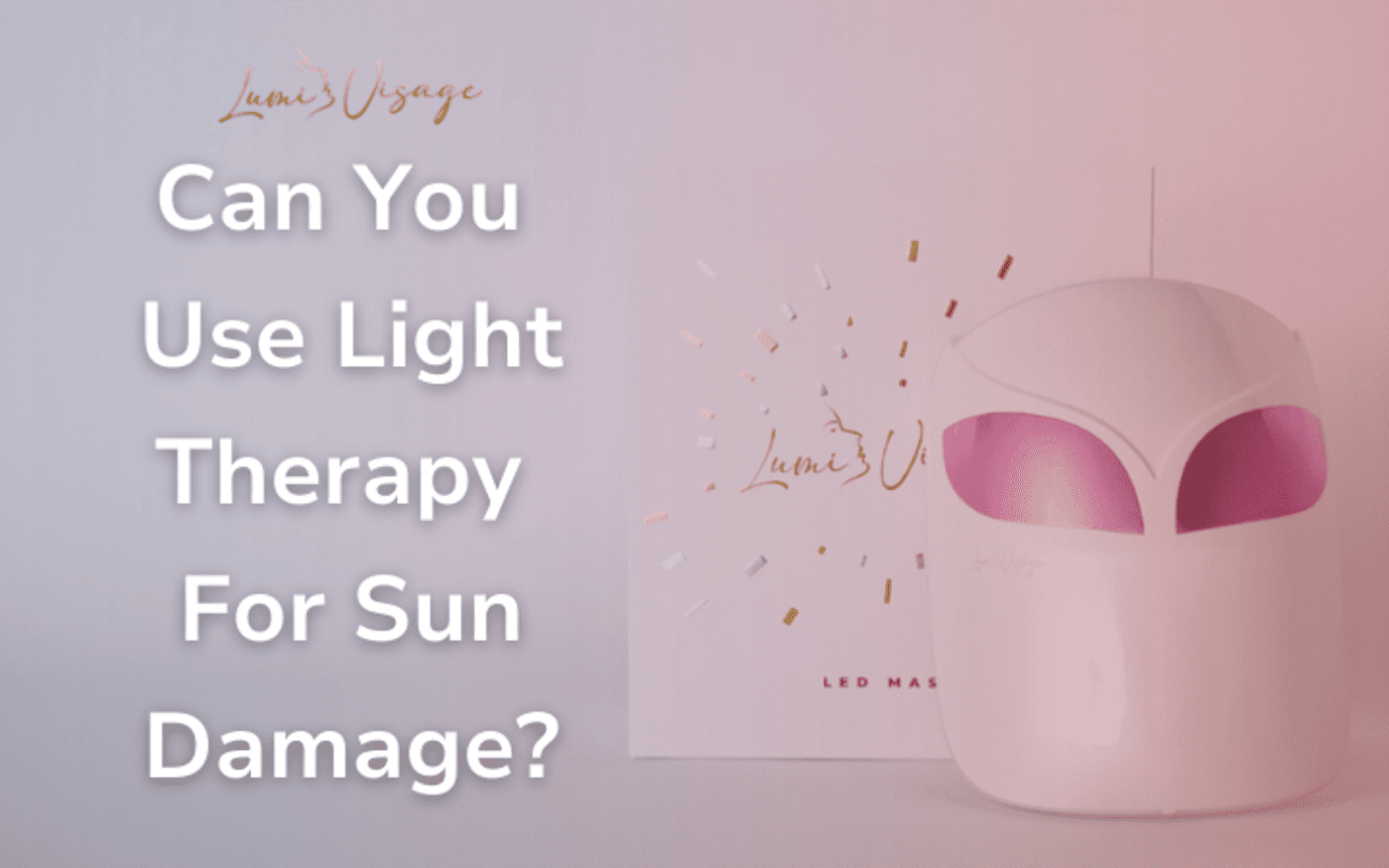
Want to try it at home? The Lumi Visage 7-Color LED Face Mask offers professional-grade results without the hassle of clinic visits. Order yours today and start your journey to healthier, more radiant skin.