


Tired of battling stubborn acne?
Blue light therapy could be the game-changer you need.
This non-invasive treatment targets acne-causing bacteria and reduces inflammation, giving your skin a chance to heal.
Whether you’re curious about how it works or eager to see real before-and-after results, we’ll break down everything you need to know so you can decide if it’s worth adding to your skincare routine.
Key Notes
- Blue light therapy kills acne-causing bacteria and reduces skin inflammation.
- It’s a safe, non-invasive alternative for those sensitive to harsh acne treatments.
- Results typically appear within 4-6 weeks of consistent use.
- Combining blue and red light therapy can help reduce scarring and enhance results.
Benefits of Blue Light Therapy for Acne
Kills Acne-Causing Bacteria
Blue light therapy uses a specific wavelength of light (405-420 nm) to target the bacteria that cause acne, Propionibacterium acnes (P. acnes). It penetrates deep into the skin’s layers and stimulates a chemical reaction within the bacteria.
This reaction creates free radicals that destroy the bacteria’s cell walls, effectively killing it off before it can trigger a breakout.
Reduces Sebum Production
Overproduction of oil, or sebum, is one of the main contributors to acne.
Blue light therapy helps regulate sebum production, preventing clogged pores. This can be especially beneficial for people with oily skin who are prone to acne flare-ups.
Soothes Inflammation
The light also has anti-inflammatory properties, which can calm redness and swelling, leading to faster healing of existing pimples.
Less inflammation means fewer marks and scars in the long run.
In-Office vs. At-Home Blue Light Therapy
In-Office Treatments
Professional blue light treatments are typically more powerful and tailored to the individual’s skin needs. Dermatologists often combine blue light therapy with other treatments, such as topical medications or photosensitizers, to boost the therapy’s effectiveness—a method called photodynamic therapy (PDT).
During an in-office session, a dermatologist will apply pulses of blue light to different areas of the skin. A session usually lasts between 15 and 30 minutes, and most people will need 2-3 sessions per week over the course of 4-6 weeks for optimal results.
This kind of treatment is a great option if you’re dealing with severe or persistent acne that hasn’t responded well to traditional treatments.
At-Home Treatments
For those who prefer a more affordable and convenient option, there are a variety of FDA-approved blue light devices available for home use. These devices come in different forms, such as full-face masks or handheld light pens for spot treatment.
At-home treatments are usually less potent than in-office options, meaning they require more frequent use. Most at-home devices recommend daily use for several weeks to achieve noticeable results.
While convenient, it’s essential to follow the device’s instructions closely to avoid potential skin irritation or damage.
What to Expect Before & After Blue Light Therapy
Before Treatment
Whether you choose in-office or at-home treatments, it’s important to prepare your skin properly before beginning blue light therapy.
Dermatologists recommend that you avoid using any products that thin the skin, such as retinoids or strong exfoliants, at least two weeks before starting treatment.
Cleanse your skin with a gentle, non-irritating cleanser before each session. If you’re doing the treatment at home, make sure your skin is completely dry before using the device to avoid any complications.
After Treatment
Immediately following a blue light session, you might notice mild redness or peeling, particularly after in-office treatments. Don’t stress! This is normal and typically fades within 24 to 48 hours.
Consistency is key to seeing significant improvement.
After about 4-6 weeks of regular treatments, many people notice clearer skin with fewer active breakouts and reduced inflammation. It’s also common for skin to appear smoother and less congested.
Combining Blue & Red Light for Enhanced Results
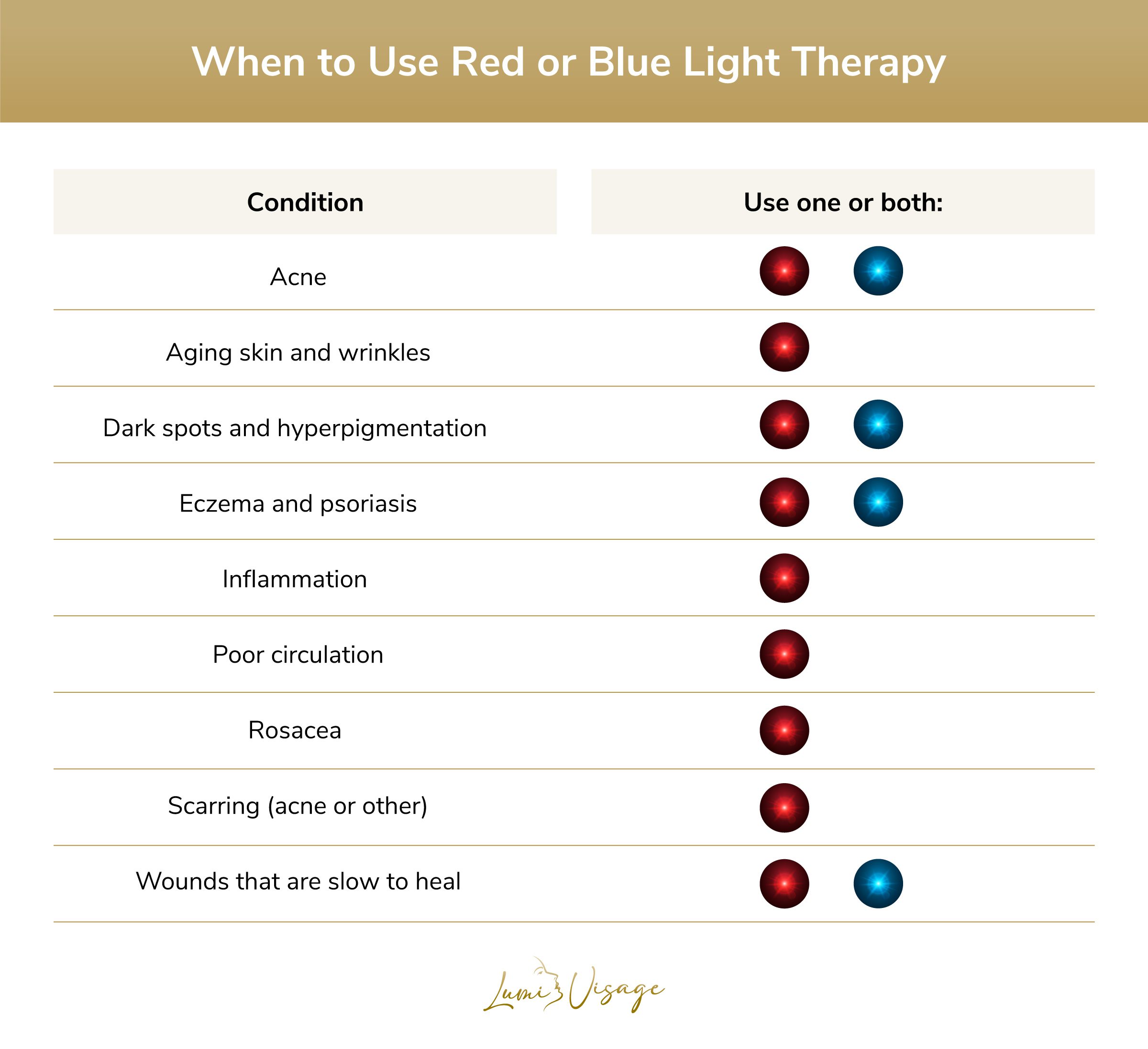
Dermatologists often suggest pairing blue light with red light therapy for faster, more effective results.
Red light, with its longer wavelength, penetrates deeper into the skin than blue light, helping to reduce inflammation and promote skin healing. This makes it a great complement to blue light’s bacteria-fighting capabilities.
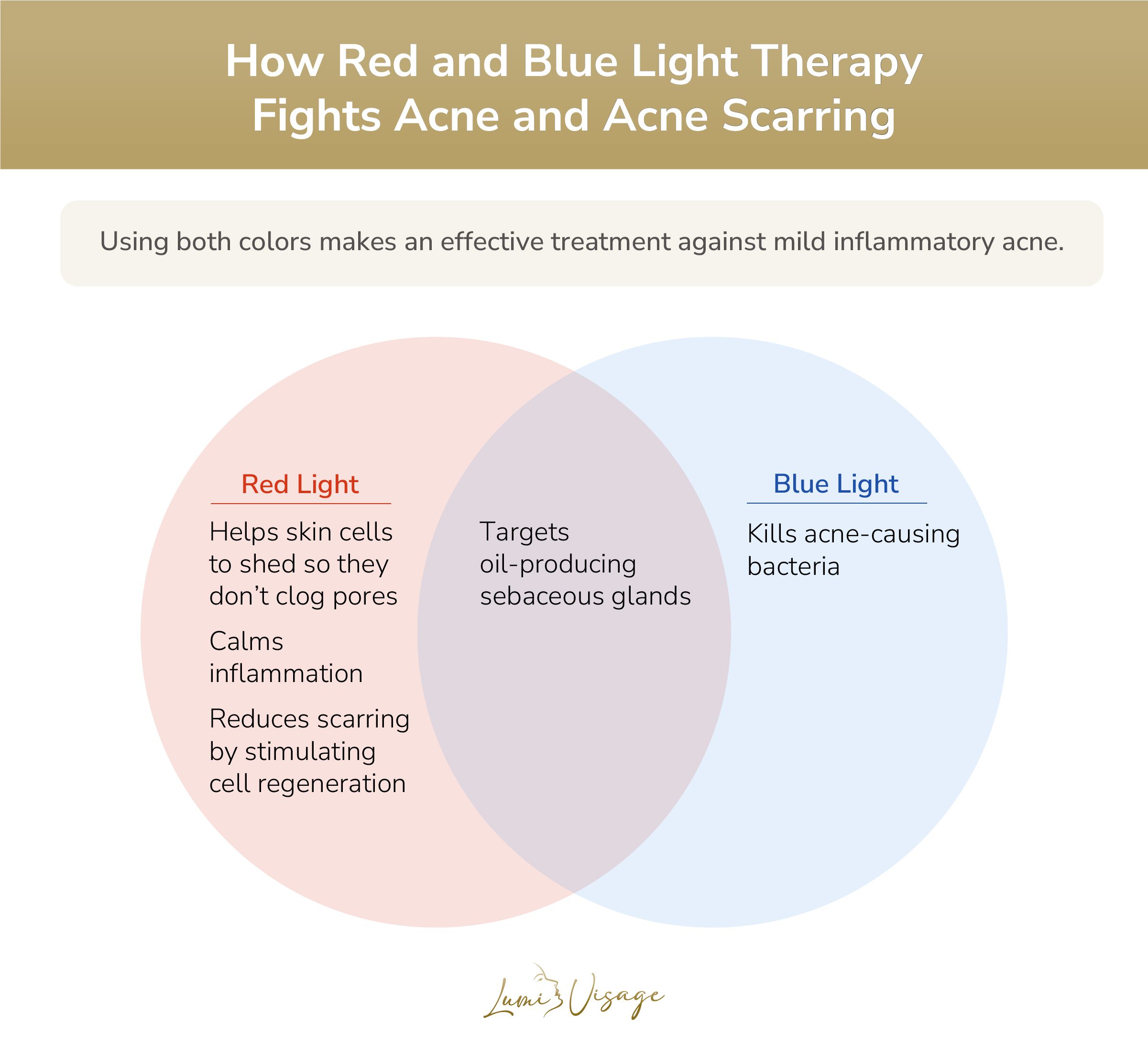
Red light therapy is especially beneficial for those dealing with acne scarring, as it promotes collagen production and helps reduce post-acne marks.
How Long Does It Take to See Results?
Like many acne treatments, blue light therapy requires patience and consistency. Whether you opt for in-office treatments or at-home devices, most users start to see noticeable improvements after 2 to 4 weeks of regular use.
Some people may need up to 6 weeks for more significant changes. Consistency is crucial—skipping sessions or ending treatment too soon may limit its effectiveness.
Once you’ve cleared your skin, maintenance is key.
Many people schedule follow-up sessions every few months to keep breakouts at bay. These regular treatments help balance oil production and fend off acne-causing bacteria.
Who is Blue Light Therapy Best Suited For?
Blue light therapy is generally recommended for people with mild to moderate inflammatory acne, including papules, pustules, and nodules. It’s particularly effective for those who haven’t had success with traditional topical treatments or want to avoid harsh chemicals like benzoyl peroxide and retinoids.
People with sensitive skin, who find these products irritating, may find blue light therapy to be a gentler alternative.
However, blue light therapy may not be as effective for comedonal acne, such as blackheads or whiteheads. If your acne is primarily non-inflammatory, other treatments may yield better results.
Acne Not Responding To Creams Or Harsh Treatments?
Our LED face mask targets acne at the source for clear, healthy skin

Potential Side Effects & Considerations
While blue light therapy is considered a safe, non-invasive treatment with minimal side effects, there are a few things to keep in mind:
Sun Sensitivity
Blue light therapy can make your skin more sensitive to UV rays, so it’s important to wear sunscreen and avoid excessive sun exposure, especially after treatment.
Mild Redness or Peeling
Some users may experience mild redness or peeling, particularly after in-office treatments. This is usually temporary and subsides within a day or two.
Eye Protection
Whether you’re doing in-office or at-home treatments, it’s critical to protect your eyes. Blue light can be harmful if it’s not used correctly, so be sure to follow instructions and use protective goggles to prevent damage.
Frequently Asked Questions
Can blue light therapy be used on other parts of the body besides the face?
Yes, blue light therapy can be used to treat acne on areas like the chest, back, and shoulders, where acne is also common.
How long do the results of blue light therapy last?
Results can last for several months, but maintenance treatments are often recommended to keep breakouts under control and prevent recurrence.
Is there a risk of skin damage or cancer from blue light therapy?
No, blue light therapy uses non-UV light, so it doesn’t carry the same risks as UV exposure, like skin damage or cancer.
Can blue light therapy help with hormonal acne?
While blue light can reduce acne caused by bacteria, hormonal acne may require a more comprehensive approach, including hormonal treatments or medication.
Is there any downtime or recovery period after blue light therapy?
There is no significant downtime, though some users may experience mild redness or peeling for a day or two.
Can blue light therapy be combined with chemical peels or other treatments?
Yes, many dermatologists combine blue light therapy with treatments like chemical peels or microdermabrasion to enhance overall results and address multiple skin concerns at once.
Conclusion
Blue light therapy offers a powerful solution for those wanting to tackle acne without harsh chemicals.
By targeting acne-causing bacteria, controlling oil production, and soothing inflammation, it delivers results from multiple angles.
The key is consistency—whether in clinical studies or real-life experiences, clear skin takes time and commitment.
If you’ve been struggling with breakouts and nothing seems to work, this might be the solution you’ve been waiting for. Ready to transform your skin? Try our 7-Color LED Face Mask and start your journey to a clearer, healthier complexion today.