

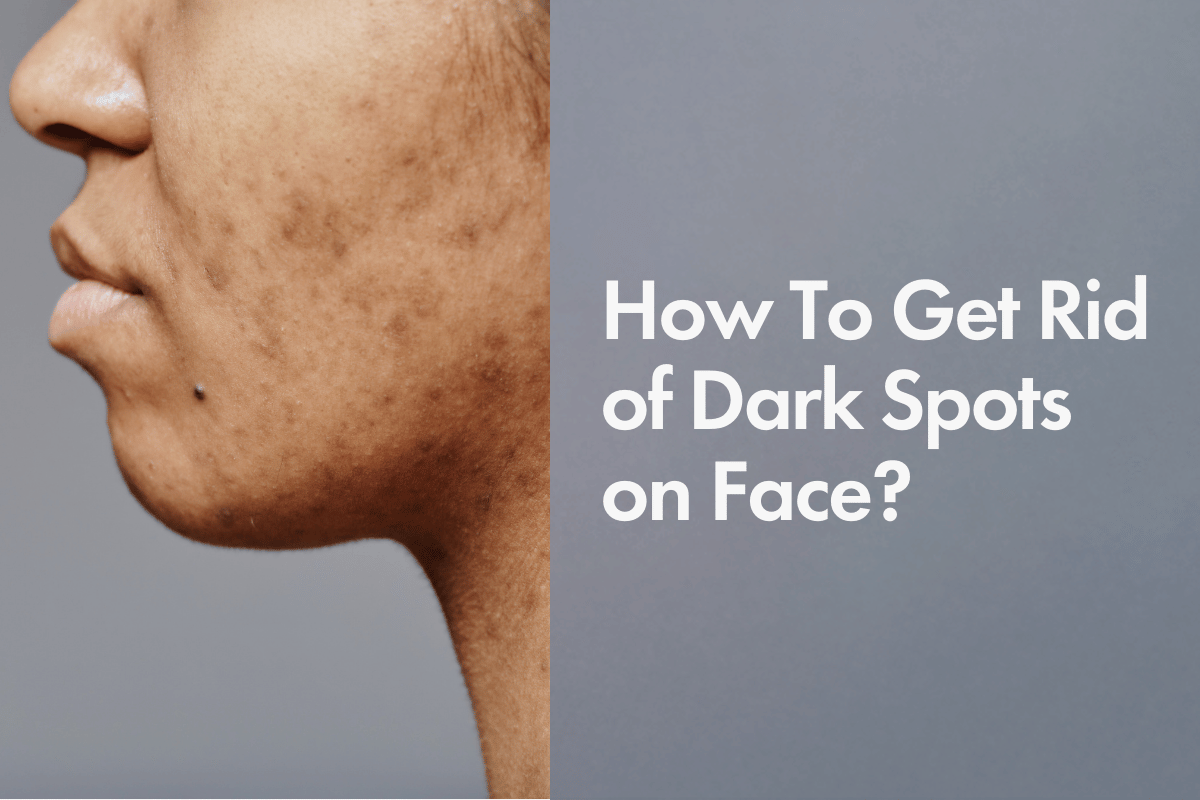

We all want skin that looks even and feels healthy, but dark spots have a way of sticking around long after the sunburns, breakouts, or hormonal shifts that caused them.
These patches – known as hyperpigmentation – are harmless but often frustrating, especially when they don’t fade as quickly as you’d like.
The good news? There are safe, science-backed ways to get rid of dark spots on your face.
We’ll break down treatments, timelines, and prevention so you know what really works.
- Professional treatments (lasers, peels, prescriptions) work faster but need expert guidance.
- At-home consistency with vitamin C, retinoids, and LED therapy yields gradual results.
- Visible fading typically takes 6-8 weeks; significant improvement requires 3-4 months.
- Darker skin tones need gentler approaches to avoid post-inflammatory hyperpigmentation.
Professional Treatments for Dark Spots (Dermatologist Led)
Professional options are effective and targeted. They are best for stubborn spots, melasma, or when you want faster results with medical oversight.
Prescription Topical Creams
- Hydroquinone: a tyrosinase inhibitor that directly reduces melanin synthesis. Often used in short courses, typically 6 to 12 weeks, sometimes in cycles. Overuse or unsupervised use can irritate skin or cause rebound darkening, so follow a dermatologist plan.
- Retinoids: increase cell turnover and support even pigment distribution. They also boost collagen over time, which helps texture. Expect dryness at first, then gradual brightening over 8 to 12 weeks.
- Azelaic acid: anti-inflammatory and melanin modulating, helpful for acne-related marks and melasma, often well tolerated in diverse skin tones.
- Others: kojic acid, cysteamine, tranexamic acid, and niacinamide may be included in dermatologist-designed regimens.
Chemical Peels
- Superficial peels: glycolic, lactic, or salicylic acids lift pigmented cells at the surface. Minimal downtime, results build with sessions 3 to 6 weeks apart.
- Medium-depth peels: trichloroacetic acid or higher strength AHAs target deeper pigment and sun damage. These need expert application and careful aftercare, particularly in darker skin where PIH risk is higher.
- Cosmelan type depigmentation protocols: combined formula masks followed by maintenance creams that down regulate melanin production and shed existing pigment. Visible peeling is common, and adherence to post-care is critical.
Laser and Light-Based Therapies
- Picosecond and Q-switched lasers: deliver very short pulses that fragment pigment for the body to clear. Useful for sunspots and some mixed depth pigmentation.
- IPL, intense pulsed light: broad spectrum light that targets multiple chromophores. Often used for freckles and sun damage across several sessions.
- Extra benefit: many light based treatments also stimulate collagen, which improves overall radiance and texture.
- Safety note: settings should be customised to skin tone and pigment depth to avoid PIH or hypopigmentation. This is especially important in Fitzpatrick IV to VI.
Microneedling
Microneedling creates controlled micro channels that trigger repair, break up superficial pigment, and increase penetration of brightening serums.
A series of sessions yields cumulative improvements in tone and texture.
Combination Therapies
Dermatologists often combine modalities, for example hydroquinone plus retinoid, or laser plus a series of superficial peels.
Combination approaches address both production and removal of pigment and can maintain results longer.
Post procedure sun protection is non negotiable.
At-Home Treatments for Dark Spots
Home care is where consistency lives. A smart routine can meaningfully fade mild to moderate spots and extend the results of professional treatments.
Over-the-Counter Topicals
- Vitamin C: supports antioxidant defence and interferes with pigment formation. Look for stable forms and consistent daily use.
- Niacinamide: reduces melanosome transfer to keratinocytes and calms inflammation.
- Retinoids: OTC retinol or retinal speeds turnover. Start low and slow to limit irritation.
- Azelaic acid and kojic acid: useful for PIH and melasma maintenance, often well tolerated.
- Alpha hydroxy acids: gentle exfoliation supports even tone, but avoid over exfoliation which can inflame and darken skin.
LED Light Therapy at Home
LED targets cellular function without heat or injury, known as photobiomodulation.
- Red light: typically in the 630 to 660 nm range, penetrates to the dermis and stimulates mitochondrial ATP production, fibroblast activity, and collagen synthesis. For pigmentation, red light helps through improved cell turnover and reduced inflammation, which can soften the look of spots over time.
- Green light: typically around 520 to 560 nm is often paired with red in pigment protocols. It is used to influence melanocyte activity and even out tone. Evidence is growing and results are gradual.
- Near infrared: often 800 to 880 nm supports repair at a deeper level and overall skin resilience.
Fade Dark Spots From The Comfort Of Home
Gentle, science-backed light therapy that fits your routine.
SHOP NOW – GET $100 OFF
Natural Ingredients That May Help
Arbutin, licorice extract, and mulberry can provide gentle brightening with a lower risk of irritation. They work best as supporting players in a routine that also includes sunscreen and proven actives.
Treatments and Remedies to Avoid
- Lemon juice, vinegar, undiluted essential oils: highly irritating and can trigger PIH, especially in deeper skin tones.
- Abrasive scrubs: micro tears and inflammation can deepen pigmentation.
- High-strength DIY chemical peels: risk of burns and uneven pigmentation without professional oversight.
- Unregulated lightening creams: unsupervised hydroquinone or steroid creams can harm the skin barrier and cause rebound darkening.
When in doubt, choose gentle, science-backed steps and avoid anything that stings, burns, or peels aggressively at home.
How Long Does It Take to See Results?
Pigment fades on a timeline, not overnight. Here is a realistic view:
- 2 to 4 weeks: subtle changes such as reduced redness around marks, a touch more brightness, fewer new spots if SPF is consistent.
- 6 to 8 weeks: more visible lightening, especially with prescription topicals or well structured OTC routines. Texture improves.
- 3 to 4 months: significant fading is common. Lasers and a series of peels show clearer tone. Many see 40 to 60 percent lightening depending on starting depth and adherence.
- 6 months and beyond: maintenance. Continue SPF daily, keep irritants low, consider periodic booster sessions with LED, peels, or topical cycles.
Consistency matters. Melanin production is ongoing, so regular inhibition and safe exfoliation are what keep spots from coming back.
Dark Spots and Different Skin Types and Tones
Your skin tone and sensitivity influence both results and risk.
Fair to Light Skin:
Usually sunspot-heavy and often responds quickly to peels, retinoids, and certain lasers. Sunscreen is still essential to prevent recurrence.
Medium to Deep Skin Tones:
Higher PIH risk means you should favour gentle topicals, cautious peel strengths, and practitioners experienced with diverse skin. Picosecond lasers with appropriate settings may be safer.
Azelaic acid, cysteamine, and tranexamic acid are helpful options.
Melasma:
Chronic and hormonally influenced. Expect a multi-step plan that includes strict sun protection, pigment inhibitors, and cautious use of procedures.
Heat and irritation can worsen it, so slow and steady wins here.
Can You Get Rid of Dark Spots Completely?
Sometimes yes, often no. The more realistic goal is visible fading and strong prevention.
Why complete removal is hard:
- Pigment can sit deep in the dermis and may recur when triggered by sun or hormones.
- Melasma, in particular, tends to cycle and requires ongoing maintenance.
Focus on what you can control: lower melanin production, lift existing pigment gradually, protect daily, and maintain results with consistent habits.
Step by Step: What To Do If You Have Dark Spots
- Get a proper diagnosis: a dermatologist can confirm type and depth of pigmentation and rule out other conditions.
- Start daily SPF now: this single habit prevents spots from deepening and stops new ones from forming.
- Build a gentle brightening routine: vitamin C and niacinamide in the morning, retinoid at night if tolerated, plus a barrier friendly moisturiser.
- Add targeted actives: azelaic acid or kojic acid for PIH and melasma maintenance. Follow usage directions closely.
- Consider LED therapy: schedule 10 minute sessions a few times a week with red plus green light to support turnover and calm inflammation. Pair with sunscreen for best results.
- Escalate thoughtfully: if spots are stubborn or deep, discuss prescription options, peels, lasers, or microneedling with a professional who works routinely with your skin tone.
- Commit to 8 to 12 weeks: review progress at that mark and adjust. Maintenance keeps gains.
Frequently Asked Questions
Do dark spots always mean sun damage?
Not necessarily. While sun exposure is the leading cause, dark spots can also stem from hormones, acne, medication, or even irritation from harsh skincare products.
Can diet or lifestyle changes help fade dark spots?
Indirectly, yes. A diet rich in antioxidants (like vitamin C and E), staying hydrated, managing stress, and getting adequate sleep support skin repair and reduce triggers that can worsen pigmentation.
Is it safe to use makeup over dark spots while treating them?
Yes, but opt for non-comedogenic, fragrance-free products and always remove makeup thoroughly at night. Pairing coverage with sunscreen ensures you’re not setting back your progress.
How do I know if my dark spots need medical attention?
If a spot changes rapidly in size, shape, or color, or looks different from your other spots, it’s worth getting checked by a dermatologist to rule out skin cancer or other conditions.
Conclusion
Getting rid of dark spots on your face isn’t about one miracle fix. It’s about understanding what’s behind the pigment, choosing treatments that target it, and staying consistent long enough to see results.
Professional options like chemical peels, prescription creams, and laser sessions can deliver faster changes, while at-home care with brightening actives, sunscreen, and gentle routines keeps progress steady.
The key thread is patience – pigment builds slowly, and it takes time to fade.
For those looking for a safe, non-invasive option to support clearer, more even skin, our FDA-cleared 7 color LED face mask offers professional-grade light therapy at home. With red and green wavelengths designed to target uneven tone, it’s a simple way to make consistency easier.