

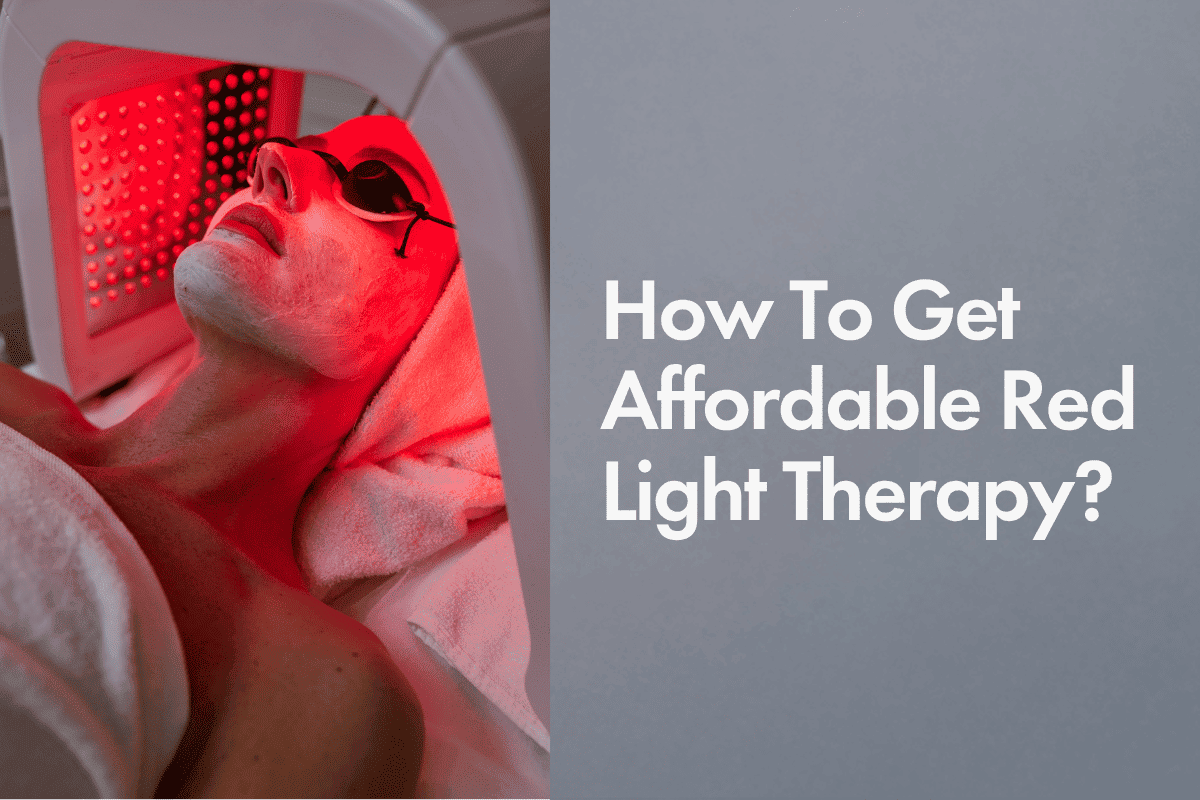

Red light therapy sounds promising – until you start comparing devices, specs, and price tags. Some cost as much as a weekend getaway. Others seem almost too cheap to trust.
So, how do you know what’s worth your money?
We’ll break down what makes red light therapy effective, what to avoid, and how to find options that fit your budget and your goals.
- At-home devices pay for themselves after 2-3 professional sessions.
- LED masks ($100-$400) are ideal for skin; panels ($150-$800) for versatility.
- Look for 20+ mW/cm² power density and verified wavelengths to ensure effectiveness.
- Avoid ultra-cheap devices under $100 that lack proper specs or safety features.
What Makes Red Light Therapy Effective?
Before price even enters the equation, let’s talk about what matters:
- Wavelength: For skin health, red light in the 630–660nm range is ideal. For muscle recovery and deeper tissues, you want near-infrared light around 810–850nm.
- Power Density (Irradiance): You need a minimum of 20 mW/cm² to see results. Anything below that likely won’t penetrate deep enough to be therapeutic.
- Treatment Consistency: The best device is the one you’ll use. Red light therapy works cumulatively over time – usually with 10–20 minute sessions, 3–5 times per week.
Without the right specs, even the cheapest device isn’t worth it.
Affordable At-Home Options That Work
LED Face Masks – Great for Skin-Focused Users
Prices: $100–$400
Red light therapy masks are a popular at-home option (and for good reason!).
These hands-free devices target skin concerns like wrinkles, fine lines, breakouts, and dullness.
Budget Picks:
Devices like the Skin Gym Wrinklit Mask ($99) offer red and blue light in a wearable format. They’re a solid introduction for beginners.
Mid-Range:
Products like the Lumi Visage LED Face Mask ($249) offer 7 wavelengths, including red (637nm), in an FDA-cleared design with a 120-day satisfaction guarantee.
LED Panels – Best for Versatility & Coverage
Prices: $150–$800+
Panels are larger and offer broader treatment areas – ideal for treating skin, joints, or muscles.
- Hooga HGPRO300 ($242): Strong value with red and NIR wavelengths, decent power output, and good build quality.
- MitoPRO 300 ($332): A premium option with tighter wavelength control and higher power density.
- Caution: Avoid ultra-cheap Amazon panels under $100. They often don’t meet therapeutic thresholds or list vague specs.
Handheld Devices – Best for Spot Treatments
Prices: $50–$200
Great for targeting specific areas like knees, wrists, or blemishes.
- Pros: Portable, easy to use, and cheaper.
- Cons: Smaller treatment area means longer session times.
- Brands to Consider: Tendlite, Beurer.
Comparing At-Home vs. In-Clinic Treatments
| Feature | In-Clinic RLT | At-Home Devices |
|---|---|---|
Cost per session | $25–$200 | One-time cost ($100–$600) |
Cumulative annual cost | $1,000+ for weekly sessions | $0 after purchase |
Convenience | Requires appointments | On your schedule |
Customization | Fixed treatment plans | Adjustable use |
Device ownership | ❌ | ✔️ |
A $300 at-home device pays for itself in 2–3 professional sessions. Plus, you can treat multiple areas (or people) with one device.
Tips to Spot Real Value (& Avoid Gimmicks)
When you’re shopping for an affordable red light therapy device, use these guidelines to avoid wasting money:
Look For:
- Verified wavelengths (e.g. 637nm, 850nm)
- Power density of at least 20 mW/cm²
- FDA clearance or safety certifications
- Real customer reviews and warranty
Avoid If:
- Wavelengths aren’t listed or fall outside 600–900nm
- Claims are vague (“works on everything”)
- Specs sound too good for the price (e.g., $30 for “full body treatment”)
- There’s no return policy or tech specs
Other Budget-Friendly Strategies
If you’re not ready to invest in a device yet:
- Try Sessions at Spas or Gyms: Some offer pay-as-you-go RLT for $30–$50/session.
- Buy Refurbished Devices: Some brands offer certified refurbished panels or masks.
- Look for Sales: Watch for discounts around Black Friday, January, or summer clear-outs.
Smart Skincare Doesn’t Have To Cost More
Get clinical-level results at home, consistently.
SHOP NOW – GET $100 OFF
Frequently Asked Questions
Is red light therapy covered by insurance?
No, red light therapy is typically considered elective and cosmetic, so it’s not covered by insurance. That’s why affordable at-home options are a popular alternative.
Can I use red light therapy every day?
For most skin-related goals, using red light therapy 3–5 times per week is ideal. Daily use is safe for many people but not always necessary – consistency matters more than frequency.
Are cheaper red light therapy devices less safe?
Not always, but many ultra-cheap devices skip key safety features like automatic shut-off or verified wavelength testing. Always check for FDA clearance and proper specs before buying.
How do I know if a budget-friendly device is working?
Look for gradual changes in skin tone, texture, or reduced inflammation over 4–6 weeks. If there’s no change at all, it may lack the power or wavelength accuracy needed for results.
Conclusion
You don’t need a massive budget to get real results from red light therapy. You just need the right information.
It comes down to clinically backed wavelengths, enough power to make a difference, and a device you’ll stick with.
Whether you’re dealing with stubborn skin concerns or just want a solid way to support long-term skin health, there are affordable options out there that work.
Our 7-color LED face mask was built for people who want real results without spending thousands on spa visits. With proven wavelengths, an FDA-cleared design, and visible skin improvements in 4–6 weeks of consistent use, it’s a smart choice for anyone looking to invest once and use often. Shop now and get $100 off.