


You’ve tried every acne treatment under the sun, but those stubborn breakouts keep coming back. You’re frustrated, tired of harsh chemicals, and just want clear skin that doesn’t flare up at the worst times.
Sounds right?
That’s where LED light therapy comes in — a promising, gentle solution that could finally tackle your acne.
But to see real results, knowing which LED color actually works best for your skin is key.
Here’s what you need to know.
Key Notes
- Blue light kills acne-causing bacteria and reduces oil production.
- Red light heals inflammation and promotes skin recovery, including scarring.
- Combining blue and red light provides up to 80% acne reduction.
- At-home LED devices are effective but require consistency for noticeable results.
- Green and yellow lights help with pigmentation and redness but aren’t primary acne fighters.
Blue Light: For Acne
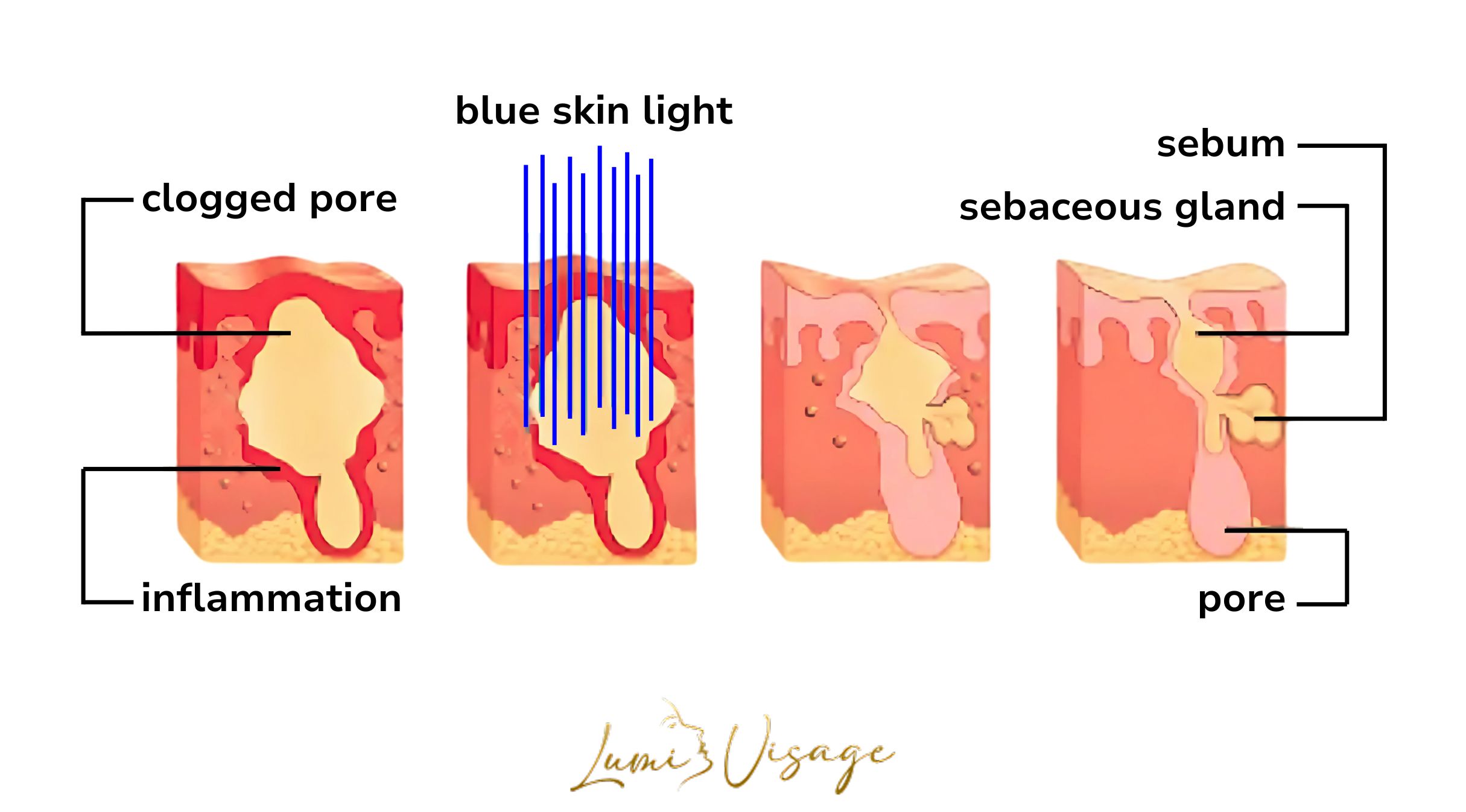
Blue light, operating between 407 to 420 nm, plays a unique role in acne treatment by targeting Cutibacterium acnes (formerly P. acnes), the bacteria largely responsible for breakouts.
When exposed to blue light, the bacteria absorb it through compounds called porphyrins found in their cell membranes. This exposure triggers a reaction that produces free radicals, effectively destroying the bacteria from within.
But blue light’s benefits don’t stop there. Beyond its antibacterial properties, it also helps reduce sebaceous gland activity, meaning less oil production. Less oil means fewer blocked pores, which in turn leads to fewer acne flare-ups.
This dual action makes blue light a highly effective tool for keeping acne under control.
In short, blue light isn’t just about zapping bacteria—it helps restore balance to your skin by addressing two of the main acne triggers: bacteria and excess oil.
The Downside of Blue Light
Blue light is a powerful tool, but like any treatment, it has its limitations.
While it’s excellent at eliminating acne-causing bacteria and addressing surface-level concerns like mild to moderate acne, it doesn’t penetrate deeply enough to tackle more stubborn issues like cystic acne.
Cystic acne forms in the deeper layers of the skin, where blue light’s reach isn’t as effective. This is where red light comes in, complementing blue light by reducing inflammation and promoting healing in the deeper skin layers. Together, they cover all the bases.
Red Light: For Deep Healing
While blue light focuses on destroying acne-causing bacteria, red light therapy takes a different approach by penetrating deeper into the skin to reduce inflammation and promote healing.
Think of red light as the restorative partner in your acne treatment. It not only soothes inflamed skin but also stimulates collagen production—the protein that maintains your skin’s structure and elasticity. This boost in collagen helps repair damage from acne, including reducing the appearance of scars.
Red light also goes a step further by shrinking sebaceous glands, which leads to less oil production over time.
This makes it particularly effective for addressing cystic acne, as its anti-inflammatory properties can reduce the redness and swelling that accompany deeper, more painful breakouts.
Together, red and blue light form a powerful, complementary treatment strategy for a variety of acne concerns.
Red Light’s Real Power
Red light is like the calm that follows the chaos of a breakout. While it doesn’t stop acne from forming, it’s incredibly effective at helping your skin recover after the worst is over.
One of its standout benefits? Fading acne scars—those stubborn marks that linger long after the breakout has cleared.
Blue + Red Light: The Dynamic Duo
When it comes to acne, blue and red light work best together.
Blue light tackles the bacteria causing breakouts, while red light reduces inflammation, soothes irritated skin, and promotes healing. This combination not only treats existing acne but also helps prevent scarring and supports long-term skin health.
Many dermatologists and at-home devices combine both blue and red light for a more comprehensive acne treatment. In fact, using these two lights in tandem has been shown to reduce acne lesions by up to 80% after just a few weeks of regular use.
If other treatments have let you down, this duo could be the game-changer you’ve been looking for.
Struggling With Stubborn Acne That Just Won’t Quit?
It’s time to heal your skin—gently and effectively.
SHOP OUR 7-COLOR LED FACE MASK

What About The Other Colors?
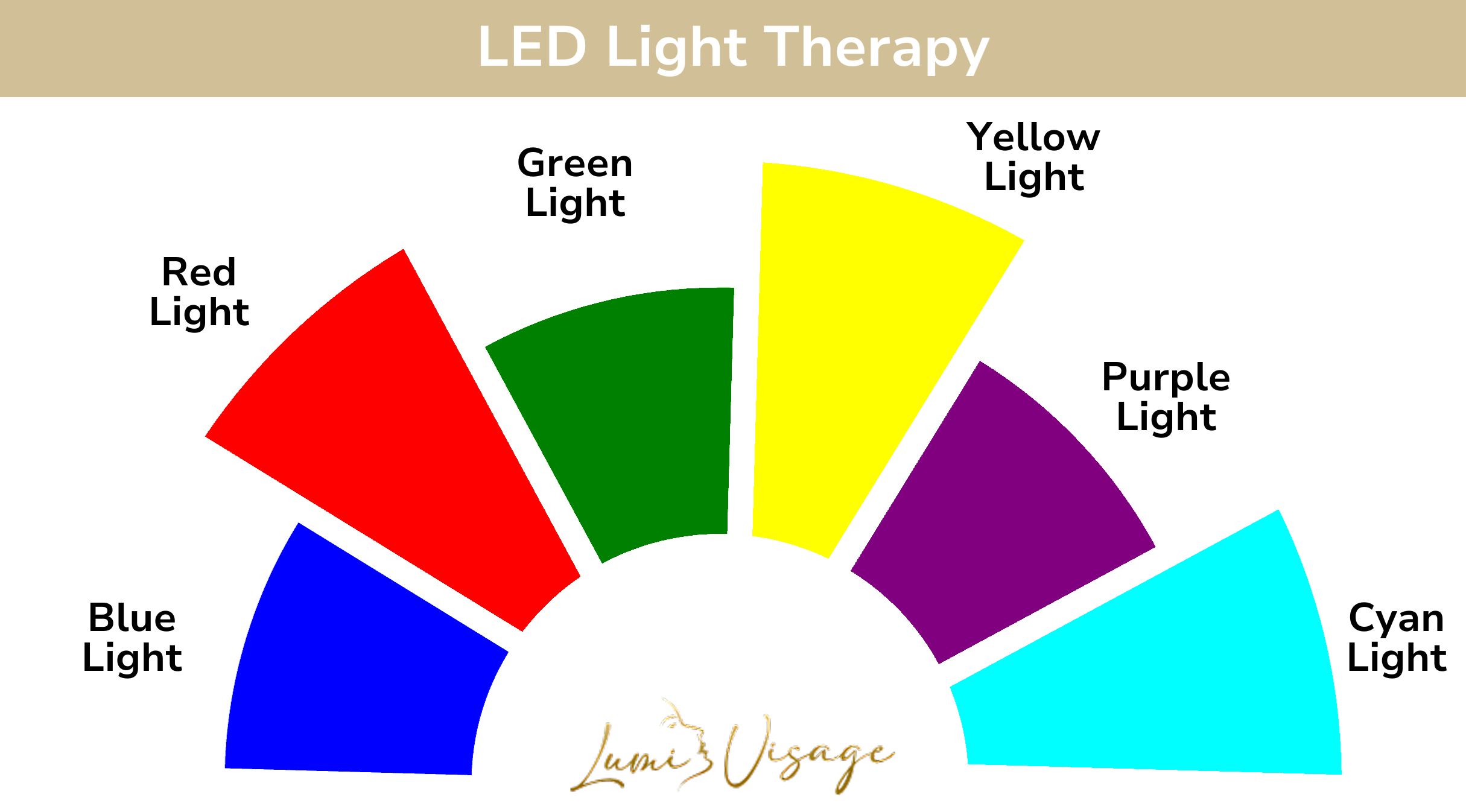
Green Light
Green light targets the skin’s melanocytes, the cells responsible for pigment production.
By reducing melanin production, it helps fade hyperpigmentation and post-acne marks. It’s particularly effective at evening out skin tone and can assist in calming irritated skin.
Though it’s not directly involved in clearing active acne, its ability to brighten and balance the complexion makes it valuable for post-acne care, especially for reducing dark spots that can linger after a breakout.
Yellow Light
Yellow light penetrates slightly deeper than green light and works by stimulating the lymphatic system and improving blood circulation. This increased circulation helps reduce redness and irritation, especially after inflammation from acne.
Yellow light can also accelerate healing, which is useful if your skin is looking irritated or swollen after a breakout.
While it’s not a primary treatment for acne itself, it plays a supportive role in calming inflamed skin and speeding up recovery.
Purple Light
A combination of blue and red light, purple light blends the antibacterial effects of blue light with the anti-inflammatory and healing properties of red light. This makes it a versatile option for addressing acne at multiple levels.
However, because it’s a mixed wavelength, it might not be as targeted as using blue and red light separately, which is why many dermatologists prefer the individual treatments for more precise results.
Purple light is sometimes used in devices designed for broad-spectrum acne treatment, but separate blue and red treatments generally allow for more controlled acne management.
Overview: LED Light Colors and Their Effects on Acne
| LED Light Color | Primary Uses | How It Helps Acne | Best For | Time To See Results |
|---|---|---|---|---|
| Blue Light | Kills bacteria, reduces oil | Targets C. acnes bacteria and regulates sebum | Mild to moderate acne | 4-6 weeks for significant reduction in acne |
| Red Light | Reduces inflammation, promotes healing | Stimulates collagen, reduces redness, helps heal acne scars | Inflammatory acne, cystic acne, scarring | 4-8 weeks for reduced inflammation and improved skin texture |
| Green Light | Evens skin tone, reduces pigmentation | Balances melanin production, reduces dark spots | Post-acne hyperpigmentation | Gradual improvement over 8-12 weeks |
| Yellow Light | Calms skin, reduces redness | Soothes inflammation and boosts circulation | Sensitive skin, redness from acne | 4-6 weeks for reduced redness |
| Purple Light | Combines blue and red light benefits | Kills bacteria while healing skin and reducing inflammation | All acne types, including scarring | Similar to blue and red light, 4-8 weeks |
| Cyan Light | Calms irritated skin, reduces swelling | Reduces irritation, sun damage, and pigmentation | Irritated, inflamed acne-prone skin | 6-8 weeks for reduced swelling and irritation |
How To Make LED Light Therapy Part of Your Routine
It’s simple: start with a clean, makeup-free face to ensure the light penetrates as deeply as possible.
Whether you’re using an at-home device or getting a professional treatment, follow the recommended usage times—typically about 10-20 minutes per session.
You can pair LED therapy with your favorite acne treatments, but avoid applying heavy creams or oils before your session, as they can block the light.
Consistency is key here. You’re not going to see overnight miracles (even though that would be nice). Stick with your LED routine for several weeks, and you’ll start to notice smoother, clearer skin.
Frequently Asked Questions
How long does it take to see results from LED light therapy for acne?
Results vary, but many see improvements after 4-6 weeks of consistent use.
Can LED light therapy be harmful to your skin?
LED therapy is generally safe, but overuse can cause mild irritation or sensitivity.
Does LED light therapy work on all types of acne?
It’s most effective for inflammatory acne but less so for blackheads or cystic acne.
Can LED light therapy prevent future breakouts?
Yes, regular use can reduce bacteria and oil production, lowering the chance of future breakouts.
Final Verdict
So, what’s the best LED color for acne? It depends on what your skin needs.
Blue light excels at killing acne-causing bacteria and reducing oil production, making it ideal for active breakouts. Red light, on the other hand, targets inflammation, speeds up healing, and helps fade scars.
For a well-rounded approach, the combination of blue and red light offers comprehensive treatment, tackling bacteria, calming skin, and preventing future flare-ups.
Whether your acne is mild or more stubborn, LED therapy is a gentle, effective solution that can transform your skin with consistent use.
Ready to take control of your acne? Discover the power of our 7-Color LED Face Mask and experience the full benefits of light therapy across the entire spectrum.