

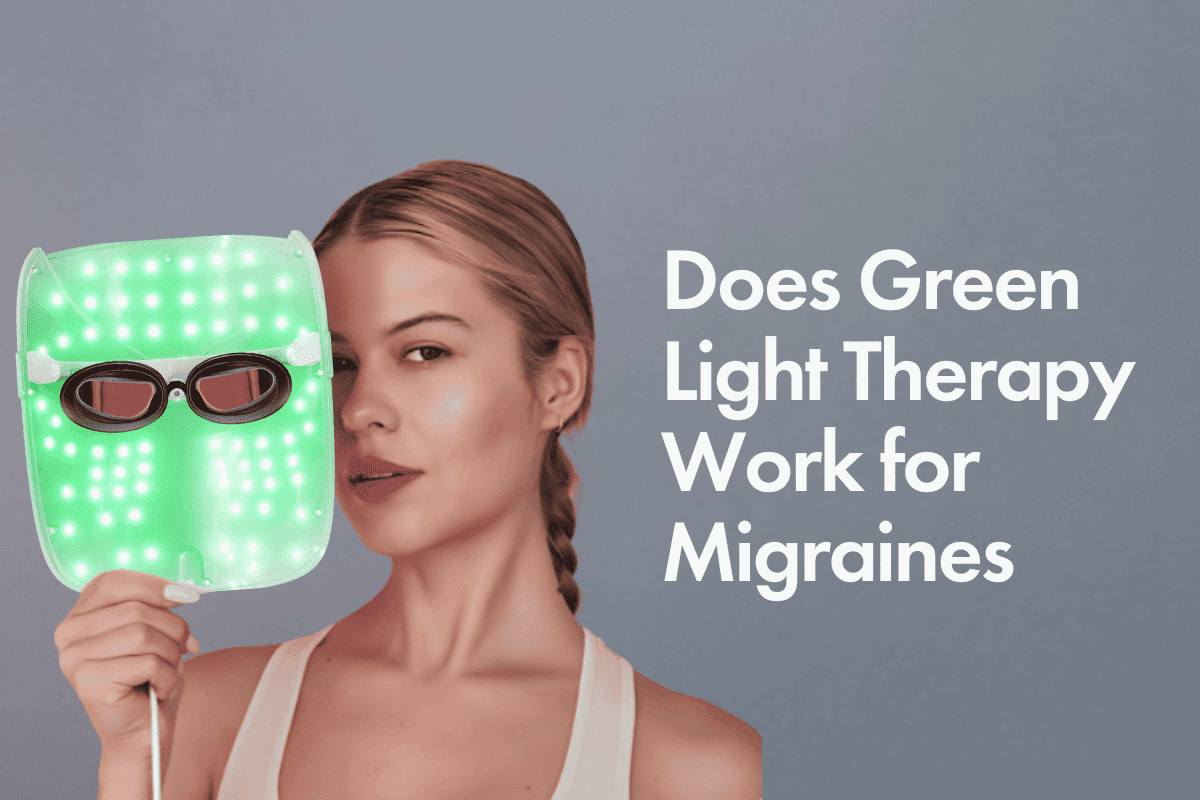

The pounding pain, the nausea, the sensitivity to light—it can wipe out an entire day.
But it doesn’t have to. Green light therapy has stepped up as a viable option for reducing migraines.
Early research suggests it can ease light sensitivity and even reduce headache frequency.
But does it actually work? Let’s get into the science.
- Green light therapy may reduce migraine frequency and ease light sensitivity.
- Studies show it can lower headache days by up to 60%.
- The correct wavelength (520–560 nm) is crucial for effectiveness.
- Daily use for 1–2 hours yields the best results.
How Green Light Therapy Affects Migraines
Green light therapy uses a specific wavelength (520–560 nm) that appears to be gentler on the brain than other types of light.
While blue, red, and white light can trigger migraines, green light generates smaller electrical signals in the retina and brain, making it easier to tolerate.
Originally studied for pain relief, it’s now being tested for migraines, with research suggesting it may help reduce light sensitivity, headache severity, and even migraine frequency.
Here are the main ways green light therapy for migraines might help:

1. Reduces Light Sensitivity (Photophobia)
Photophobia is one of the most common migraine symptoms. Many sufferers find that even normal indoor lighting feels unbearable during an attack.
Studies show that green light exposure can significantly reduce light sensitivity, allowing people to tolerate brighter environments without triggering pain.
2. Decreases Headache Frequency
One of the most promising aspects of green light therapy is its potential to lower the number of migraine days per month.
In a study conducted at the University of Arizona, migraine sufferers who used green light therapy for one to two hours daily reported a 60% reduction in headache days.
3. Lowers Pain Intensity
Even when migraines do occur, green light exposure might make them less severe. Patients in clinical studies reported lower pain levels when exposed to green light compared to other wavelengths.
This suggests that while it may not prevent migraines entirely, it could make them more manageable.
Scientific Studies Supporting Green Light Therapy
While green light therapy is still being studied, early research has produced encouraging results.
Here are two key studies that shed light on its effectiveness:
1. Harvard Medical School Study (2016)
Researchers at Harvard found that different colors of light affected migraine pain differently.
While blue, red, and white light worsened migraine symptoms, green light was the only color that did not increase pain levels.
In fact, some participants reported that green light actually reduced their discomfort.
2. University of Arizona Study (2020)
In a more targeted study, migraine patients were exposed to green light daily for 10 weeks. The results?
- 60% reduction in headache days per month
- Decreased pain severity during attacks
- Improved tolerance to everyday light exposure
These findings suggest that green light therapy might be a valuable addition to migraine management, especially for those sensitive to light.
How to Use Green Light Therapy for Migraines
If you’re interested in trying green light therapy for migraines, there are a few key things to consider. The effectiveness of the treatment depends on the right light source, duration, and consistency.
Choosing the Right Green Light
Not all green light is created equal. The research focuses on a very specific wavelength (520–560 nm), meaning that standard green-tinted bulbs or filters won’t have the same effect.
Look for products that:
- Avoid flickering or excessive brightness, which can still trigger symptoms
- Emit a narrow band of pure green light
- Have been used in clinical studies or tested for migraine relief
How Long to Use It
Most studies suggest using green light therapy for 1–2 hours per day.
- Some people prefer to sit in a dimly lit room with a green light source for extended periods.
- Others find relief by using green light only during a migraine attack to ease symptoms.These findings suggest that green light therapy might be a valuable addition to migraine management, especially for those sensitive to light.
Since results can vary, it may take some trial and error to find the best approach for you.
Best Time to Use It
- Preventative Use: Daily exposure may help reduce overall migraine frequency.
- During an Attack: Using green light when symptoms begin might help lessen pain and sensitivity..
Potential Side Effects and Considerations
Unlike medications, green light therapy doesn’t have serious side effects. However, there are a few things to keep in mind:
- Not a cure: While it can help manage symptoms, it won’t eliminate migraines entirely.
- Results vary: Some people see significant improvement, while others notice only mild benefits.
- Proper setup is key: Using the wrong type of green light or exposing yourself to mixed light sources may reduce effectiveness.
If you have extreme light sensitivity or neurological conditions, consult a doctor before starting any new treatment.
Comparing Green Light to Other Migraine Treatments
Green light therapy is just one piece of the puzzle when it comes to migraine management.
Here’s how it compares to other common treatments:
| Treatment | Effectiveness | Side Effects | Accessibility |
|---|---|---|---|
| Green Light Therapy | Reduces light sensitivity & headache days | Minimal | Requires specific devices |
| Medications | Fast-acting pain relief | Possible side effects | Prescription required |
| Lifestyle Changes | Helps reduce triggers | None | Requires long-term commitment |
| Other Light Filters | May reduce photophobia | Can alter vision clarity | Available in tinted lenses |
Many people find that a combination of treatments works best. Green light therapy can be used alongside medications, diet changes, and other migraine management techniques for the best results.
Should You Try Green Light Therapy for Migraines?
If you’re struggling with frequent migraines and light sensitivity, green light therapy could be worth trying. It’s non-invasive, drug-free, and has shown promising results in early studies.
While it may not work for everyone, many migraine sufferers report fewer headaches and improved light tolerance with regular use.
For those interested, investing in a clinically tested green light device is the best way to get started. Look for one that emits light in the 520–560 nm range to ensure you’re using the correct wavelength.
Blinded By Migraines Every Time The Lights Come On?
Green light therapy can help ease the pain

Frequently Asked Questions
Can green light therapy help with non-migraine headaches?
Some research suggests it may also reduce tension headaches, but studies primarily focus on migraines.
Is any shade of green light effective, or does it have to be a specific wavelength?
Only a narrow band of 520–560 nm has shown benefits—regular green-tinted bulbs won’t have the same effect.
Can I use green light therapy while working or watching TV?
Yes, as long as the room is dim and the green light is the primary light source. Mixed lighting may reduce effectiveness.
Does green light therapy work instantly, or does it take time to see results?
Some people notice relief during an attack, but long-term benefits typically appear after several weeks of daily use.
Conclusion
Migraines are brutal, especially when light makes them worse. Green light therapy offers a gentle, drug-free way to reduce light sensitivity and headache frequency.
Research shows it can make migraines more manageable—but consistency is key. The right device matters, too.
If you’re ready to try it for yourself, our 7-Color LED Face Mask delivers green light wavelength right at home. Order yours today and take control of your migraines.