


Tired of those awful little red veins that appear on your cheeks and nose?
While they aren’t dangerous, we understand that they can definitely affect your confidence. But, good news: there’s an easy fix.
LED light therapy is the answer, but not all colors work the same.
Want smooth, clear skin without leaving home? We’ll show you exactly how to make it happen.
Key Notes
- Red LED light is the most effective for treating broken capillaries at home.
- Green light helps reduce surface redness and works best alongside red light therapy.
- Blue light can help if you have acne and broken capillaries together.
- Consistency is key—3 to 5 sessions a week show real results.
Which LED Colors Work Best for Broken Capillaries?
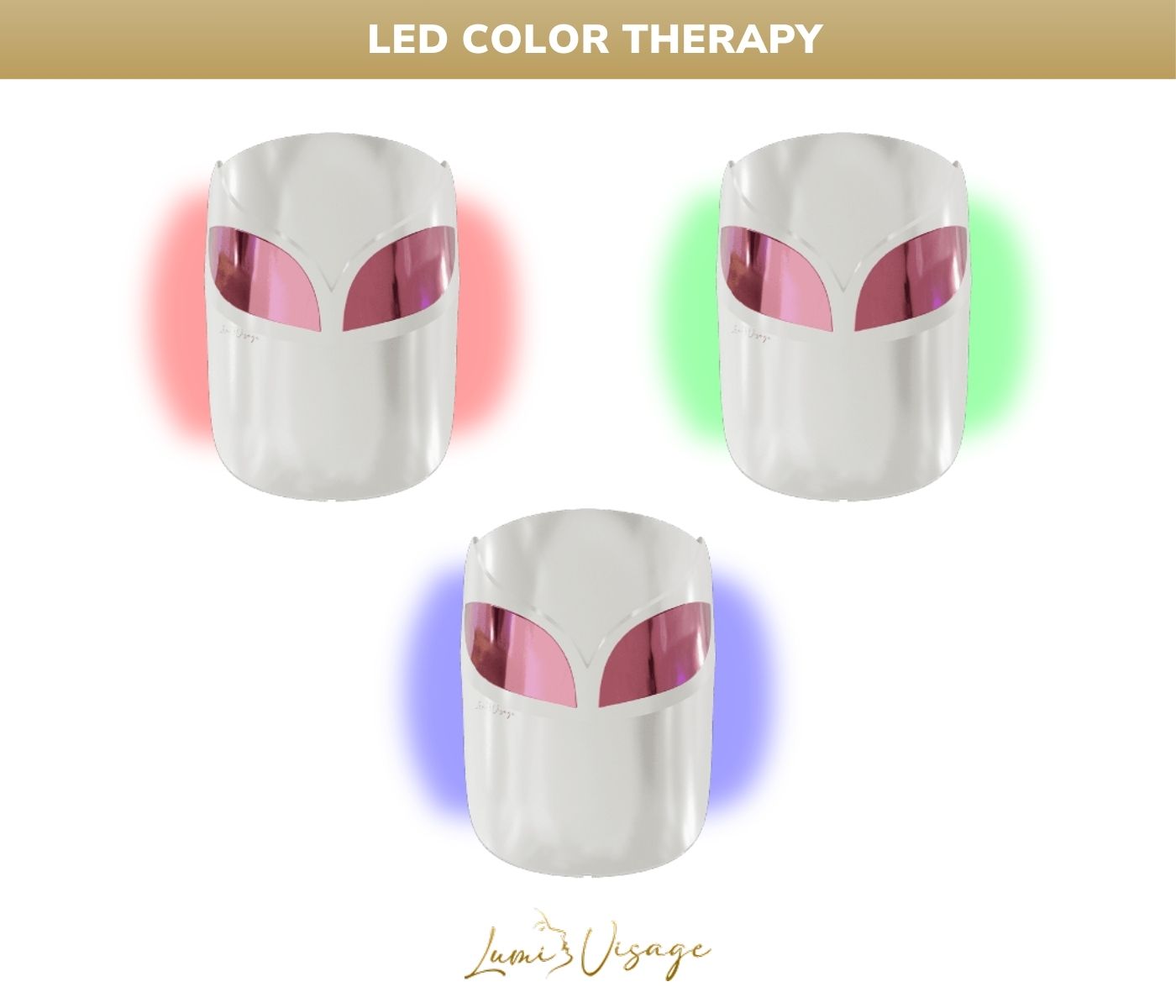
Certain LED light colors are more effective than others for treating broken capillaries. Here’s a closer look at the top three contenders: red, green, and blue light therapy.
Red Light Therapy
Red light therapy is widely regarded as the best option for treating broken capillaries.
It penetrates deep into the skin, reaching the dermis where blood vessels are located. At this depth, it stimulates collagen production, which helps rebuild and strengthen capillaries.
Red light therapy also reduces inflammation and promotes better blood circulation. This helps minimize the redness associated with broken capillaries while improving overall skin texture.
It is gentle, non-invasive, and well-suited for those with sensitive skin, making it an excellent choice for repairing damaged blood vessels.
Green Light Therapy
Green light therapy, on the other hand, mainly works on the surface. It targets the upper layers of the skin and is particularly effective for reducing hyperpigmentation and evening-out skin tone.
While it doesn’t penetrate as deeply as red light, it has a calming effect on the skin, making it useful for reducing surface redness and irritation.
Green light is most effective when combined with red light, as it can help soothe irritated skin while red light works at a deeper level to treat the capillaries.
This combination can enhance the overall appearance of the skin by addressing both redness and the underlying broken vessels.
Blue Light Therapy
Blue light therapy is best known for its acne-fighting properties. It works by targeting bacteria on the skin’s surface, making it effective for treating acne and reducing inflammation.
While blue light isn’t typically the first choice for broken capillaries, it can be helpful in some cases.
If you have acne-prone skin and broken capillaries, combining blue light with red light therapy can address both issues. Blue light helps with surface-level inflammation, while red light penetrates deeper to heal capillaries.
Tired of Red Veins Ruining Your Complexion?
Our 7-color LED mask targets broken capillaries fast.

Comparison: Best LED Light Color For Broken Capillaries
| Feature | Red Light Therapy |
Green Light Therapy |
Blue Light Therapy |
|---|---|---|---|
| Depth of Penetration | Deep, reaching the dermis where blood vessels are located | Superficial, targets the upper layers of the skin | Surface level, primarily targets bacteria on the skin |
| Primary Benefit | Stimulates collagen production, strengthens capillaries | Reduces hyperpigmentation and evens out skin tone | Treats acne by killing surface bacteria and reducing oil |
| Effectiveness for Capillaries | Best option for repairing broken capillaries from within | Helps calm surface redness but doesn’t target deeper vessels | Can assist with inflammation, not ideal for capillaries alone |
| Additional Benefits | Reduces inflammation, promotes circulation, improves texture | Calms irritation, reduces redness when combined with red light | Reduces inflammation and fights acne |
| Ideal for | Sensitive skin needing deep healing and redness reduction | Those with surface redness or pigmentation issues | Acne-prone skin with occasional broken capillaries |
How to Use LED Light Therapy for Broken Capillaries
Using LED light therapy to treat broken capillaries is straightforward and can be done at home or in a professional setting. Most devices expose the skin to light for about 10 to 20 minutes per session.
For noticeable results, consistent use over several weeks is essential.
To maximize the benefits of LED light therapy, follow these steps:
- Frequency: Regular use is key. Aim to use your LED device three to five times per week for a minimum of four to six weeks.
- Preparation: Before treatment, cleanse your skin to remove makeup, dirt, and oils that might block the light from penetrating.
- Post-treatment care: After a session, you can immediately resume your skincare routine, but make sure to apply sunscreen if you’ll be going outside. Sun exposure weakens the capillaries and can undo the progress made by light therapy.
Complementary Skincare for Broken Capillaries
While LED light therapy can yield excellent results, supporting the treatment with a proper skincare routine is essential to prevent broken capillaries from returning.
Sunscreen
UV exposure weakens blood vessels, so wearing sunscreen daily is a must to protect your skin and prevent further damage.
Gentle Exfoliants
Harsh scrubs can worsen broken capillaries. Instead, opt for chemical exfoliants that gently remove dead skin cells without irritating the skin.
Avoid Hot Water
Washing your face with hot water can cause blood vessels to dilate. Use lukewarm or cool water instead to avoid further stress on the capillaries.
Frequently Asked Questions
Can LED light therapy be used on all skin types?
Yes, LED light therapy is safe for all skin types. It’s non-invasive and doesn’t use heat, so it won’t irritate sensitive skin. However, those with extremely sensitive skin should start with shorter sessions and consult a dermatologist if unsure.
How long do the effects of LED light therapy last?
Results from LED light therapy can last several months. For long-term maintenance, ongoing treatments every few weeks are recommended to keep broken capillaries and other skin issues at bay.
Are there any side effects from using LED light therapy?
LED light therapy is considered very safe, but some users may experience mild redness or irritation if used too frequently. It’s also important to wear eye protection during treatments to prevent eye strain.
How does LED light therapy compare to laser treatments for broken capillaries?
Laser treatments specifically target and destroy broken capillaries using heat, which can be effective but may cause discomfort. LED light therapy is gentler, stimulates skin healing, and is better suited for long-term use or for those with sensitive skin.
Can I overuse LED light therapy?
While LED therapy is safe, overuse might lead to skin irritation or redness. It’s best to follow the recommended usage of 3-5 times a week for optimal results and avoid exceeding treatment time guidelines.
Conclusion
Red light therapy is hands down the best way to tackle broken capillaries, working deep beneath the skin to repair and restore damaged blood vessels.
Pair it with green light therapy to calm surface redness, and you’ve got a powerful duo for a smoother, more even complexion.
Ready to say goodbye to those visible veins? Our 7-Color LED face mask makes it easy to get professional results right at home. It’s time to get that glow you deserve.