


Painkillers aren’t the only way to find relief. Green light therapy is showing promise for migraines, nerve pain, and chronic inflammation—without the side effects of medication.
Researchers believe it changes how the brain perceives pain, making it feel less intense. It’s simple, drug-free, and easy to try at home.
Here’s how it works and why more people are paying attention.
- Green light therapy may reduce pain sensitivity in migraines, fibromyalgia, and nerve pain.
- Studies suggest it alters pain perception and promotes relaxation without medication.
- Sessions typically last 30–60 minutes, with benefits increasing over time.
- Safe for most users, but those with light sensitivity should consult a doctor.
How Does Green Light Therapy Work for Pain?
Green light therapy works within the 520–550 nm range, triggering responses in the body that may help with pain relief and relaxation.
Unlike red or blue light, which target deeper tissues or acne, green light focuses on pain modulation and calming the nervous system. Researchers believe it can reduce pain perception and promote well-being by influencing how the brain processes discomfort.
| Criteria | Green Light | Red Light | Blue Light |
|---|---|---|---|
| Primary Use | Pain relief, relaxation | Wound healing, inflammation | Acne, antibacterial effects |
| Effect on Pain | Modifies pain perception, reduces sensitivity | Targets deeper tissues, helps with muscle recovery | Not used for pain relief |
| Other Benefits | May improve sleep & mood | Boosts collagen, skin health | Reduces acne & oil production |
The exact mechanisms behind green light therapy for pain are still being studied, but researchers have a few key theories:
1. Alters Pain Perception in the Brain
Studies suggest that exposure to green light may activate pathways in the brain that regulate pain sensitivity.
Instead of directly targeting inflammation like red light therapy, green light appears to shift how the brain perceives pain, making it feel less intense.
2. Reduces Central Sensitization
Chronic pain conditions like fibromyalgia involve central sensitization, where the nervous system becomes overly responsive to pain signals.
Green light therapy may help by reducing this hypersensitivity, allowing the body to process pain more normally.
3. Encourages Endorphin Release
Some researchers believe that green light exposure boosts natural painkillers like endorphins, which help relieve discomfort without the need for medication.
This could explain why some patients report feeling calmer and more relaxed after green light therapy sessions.
Effectiveness of Green Light Therapy in Pain Management
While research is still developing, several studies suggest that green light therapy could be a useful tool for pain relief.
Here’s what current findings say:
Green Light Therapy for Migraines
- A study from the University of Arizona found that green light exposure reduced migraine intensity by 60% in some participants.
- Unlike blue and white light, which often worsen migraines, green light was well-tolerated and even helped with light sensitivity.
Chronic Pain Conditions (Fibromyalgia, Neuropathy, Arthritis)
- A 2021 study published in Pain Medicine reported that patients with fibromyalgia who used green light therapy had decreased pain scores and improved sleep.
- Another study suggested that green light exposure could help reduce neuropathic pain, a condition that often doesn’t respond well to standard treatments.
Post-Surgical Pain Relief
- Some hospitals are experimenting with green light therapy for post-operative pain to reduce reliance on opioids.
- Preliminary results show that it may help with pain control without increasing drowsiness or side effects.
While more large-scale studies are needed, early research suggests green light therapy could be a promising addition to pain management strategies.
How to Use Green Light Therapy for Pain
If you’re considering trying green light therapy for pain, here’s how to use it effectively:
1. Choose the Right Device
There are a few options for at-home green light therapy:
- LED light panels: Ideal for full-body treatment, especially for chronic pain.
- Green light bulbs: Used in lamps to create a calming environment.
- Wearable devices: Some glasses and masks emit green light directly to the eyes, targeting migraines.
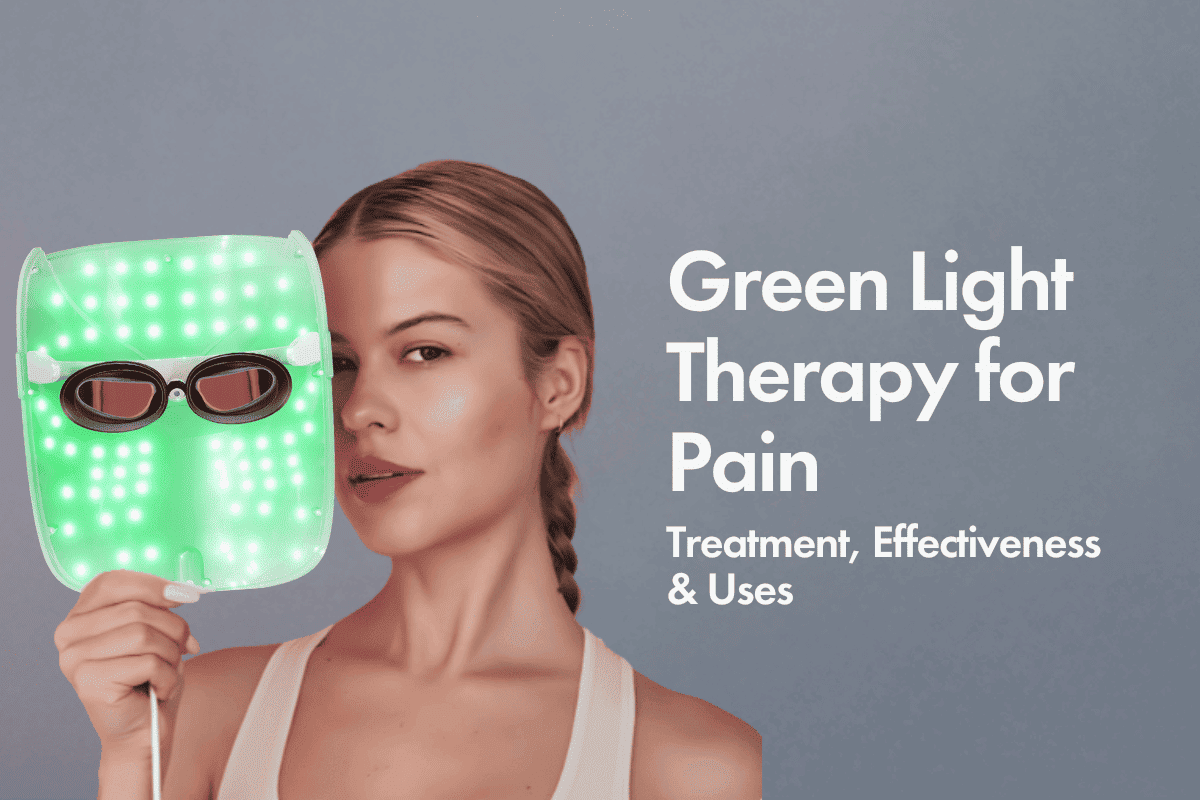
- Face masks: Designed for skincare and pain relief, these masks deliver targeted green light therapy to the face, which may help with headaches, skin concerns, and relaxation.
2. Set the Right Duration and Frequency
- For migraines: 1–2 hours of exposure daily, preferably in a dimly lit room.
- For chronic pain: 30–60 minutes per session, at least 3–5 times per week.
- For general relaxation and pain prevention: 20–30 minutes daily can be beneficial.
3. Create a Controlled Environment
- Use green light in a dark room to enhance its effects.
- Avoid other bright lights during treatment, as they may counteract the benefits.
- Stay consistent, as long-term exposure seems to provide the best results.
Safety and Side Effects
Green light therapy is considered safe and non-invasive, with very few reported side effects. However, there are a few things to keep in mind:
Potential Side Effects
- Mild eye strain: Some users report sensitivity when first using green light. This usually fades with time.
- Drowsiness: Since green light can promote relaxation, some people feel slightly sleepy after sessions.
- Temporary headache relief that fades: Some migraine sufferers notice benefits only while using the light, with symptoms returning afterward.
Who Should Avoid It?
- Those with severe light sensitivity disorders should consult a doctor before starting.
- If you have epilepsy or a history of seizures, speak with a healthcare provider to ensure light therapy won’t trigger symptoms.
Future Research & Potential Applications
As interest in green light therapy for pain grows, researchers are exploring additional uses:
- Chronic back pain – Studies are underway to determine if green light can help with long-term musculoskeletal pain.
- Depression and anxiety relief – Some evidence suggests that green light may have a mood-boosting effect similar to blue light but without disrupting sleep.
- Post-operative recovery – Hospitals are considering green light therapy as part of post-surgical pain management plans.
With ongoing studies and increasing anecdotal support, green light therapy is likely to become a more widely recommended treatment for pain.
Struggling With Migraines Or Chronic Pain?
Green light therapy offers relief—no meds, no side effects

Frequently Asked Questions
Can green light therapy help with muscle pain after workouts?
Some studies suggest it may reduce muscle tension and promote relaxation, but more research is needed.
Is green light therapy safe for people with epilepsy?
Those with photosensitive epilepsy should consult a doctor, as light exposure may trigger symptoms.
Does green light therapy improve sleep quality?
Some users report better sleep, likely due to its calming effect on the nervous system.
Can I use green light therapy while taking pain medication?
Yes, it can be used alongside medication, but always check with your doctor first.
Does green light therapy help with stress and anxiety?
Early research suggests it may promote relaxation, making it useful for stress management.
Conclusion
Green light therapy is showing real potential for pain relief, especially for migraines, nerve pain, and chronic inflammation.
Researchers believe it helps by altering how the brain processes pain, making discomfort feel less intense. It’s a non-invasive, drug-free option that many people are adding to their pain management routine.
Want to try it at home? The Lumi Visage 7-Color LED Face Mask includes a green light setting, allowing you to experience the benefits firsthand.
Get yours today and see how light therapy can work for you.